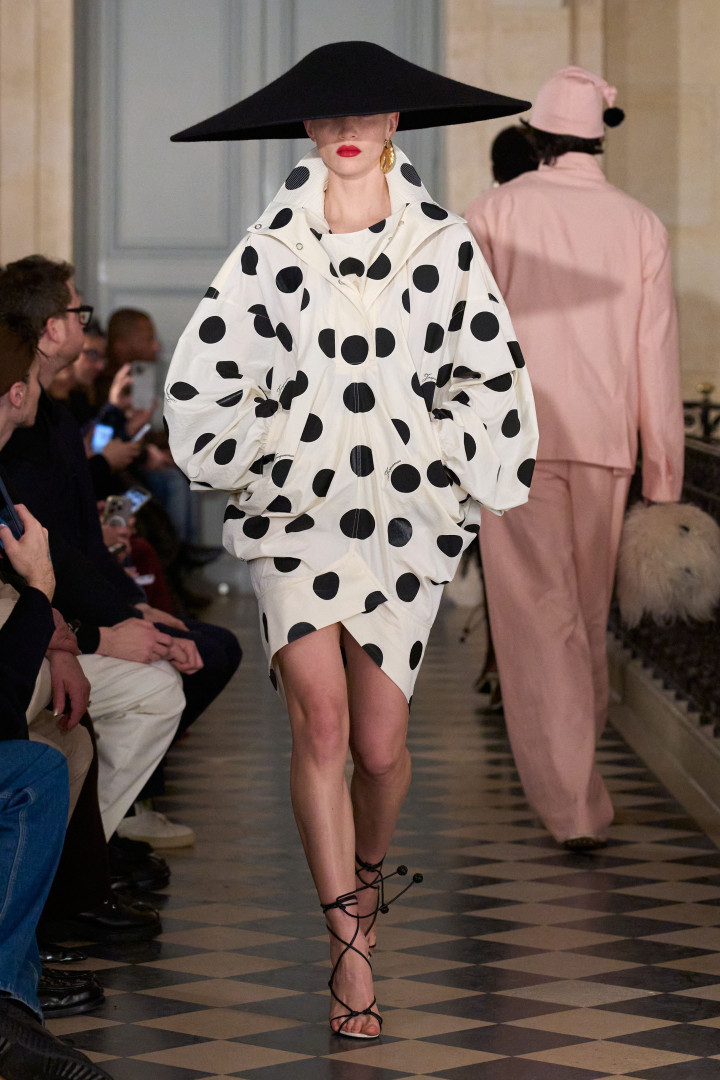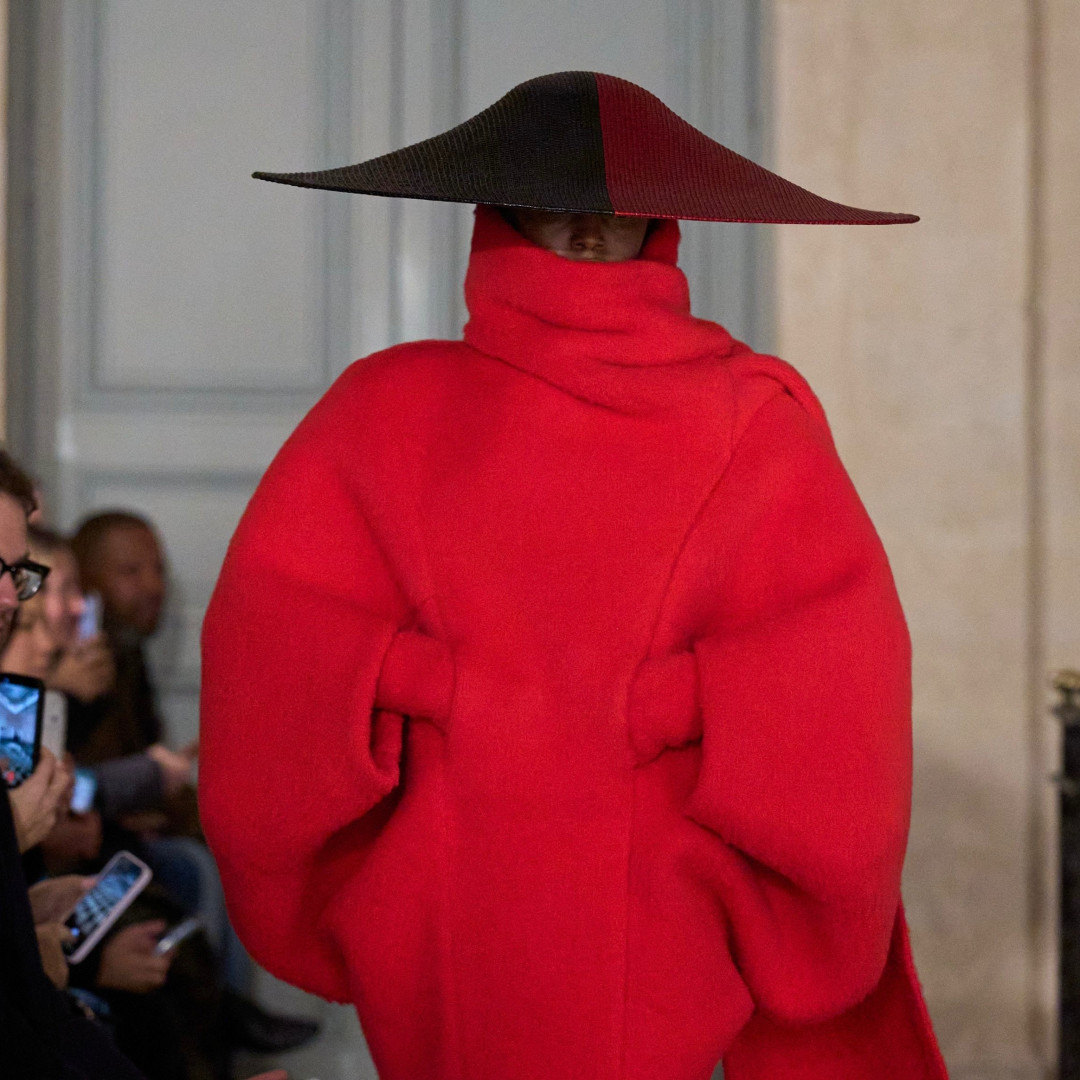
Jacquemus Fall/Winter 2026 Ready-to-Wear: Le Palmier: Memory as Geometry, Desire as Lightness
There are designers who construct collections, and there are designers who construct worlds that feel like memories you are not entirely sure you lived. With Fall/Winter 2026 Ready-to-Wear, Jacquemus once again operated in that fragile territory between intimacy and staging, where fashion becomes less an object and more a sensation suspended in time.
Le Palmier unfolded like an emotional architecture built from fragments of Mediterranean imagination, personal mythology and deliberate distortion. Nothing felt purely literal. Instead, everything appeared filtered through a lens of heightened perception where proportion becomes memory, and memory becomes form.
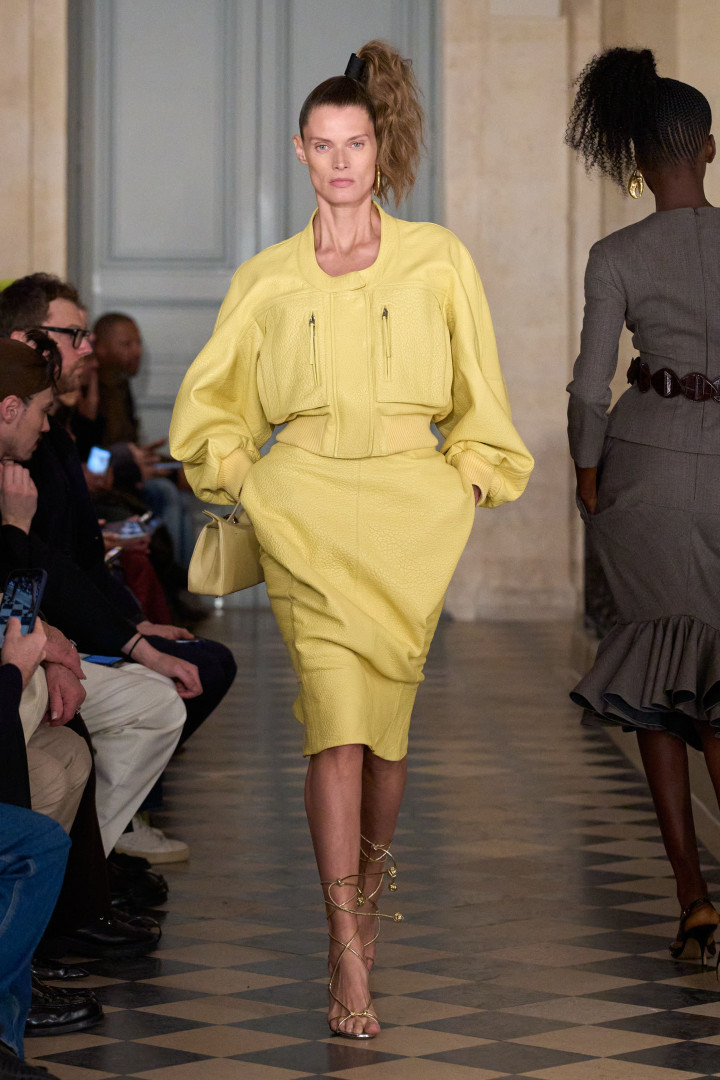
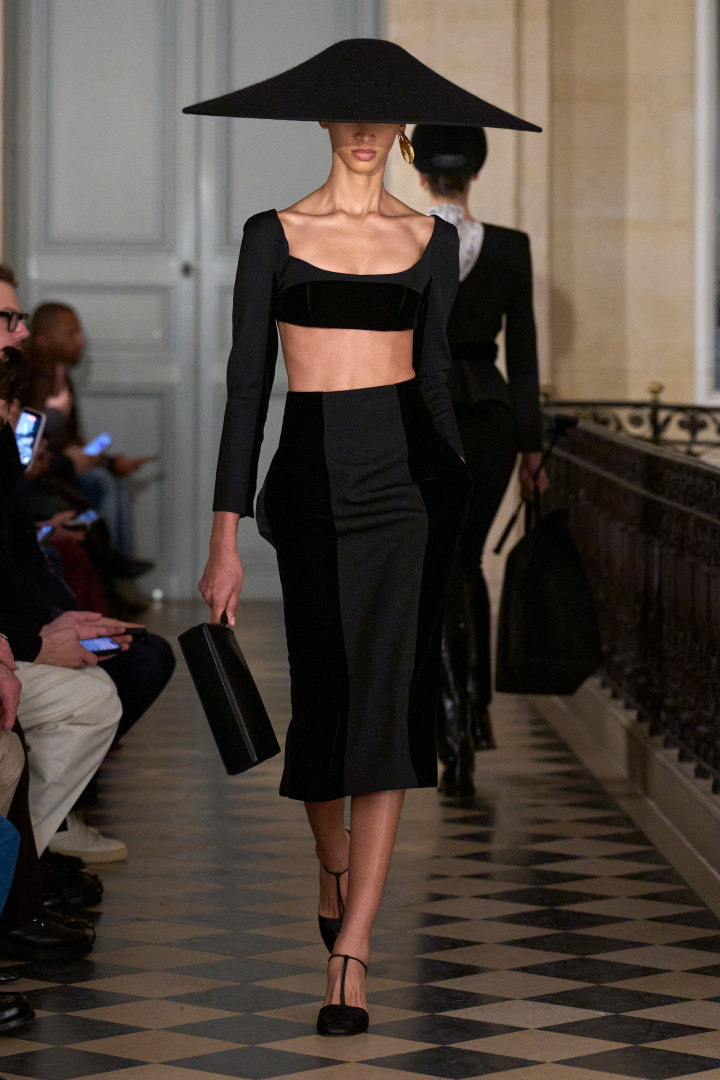
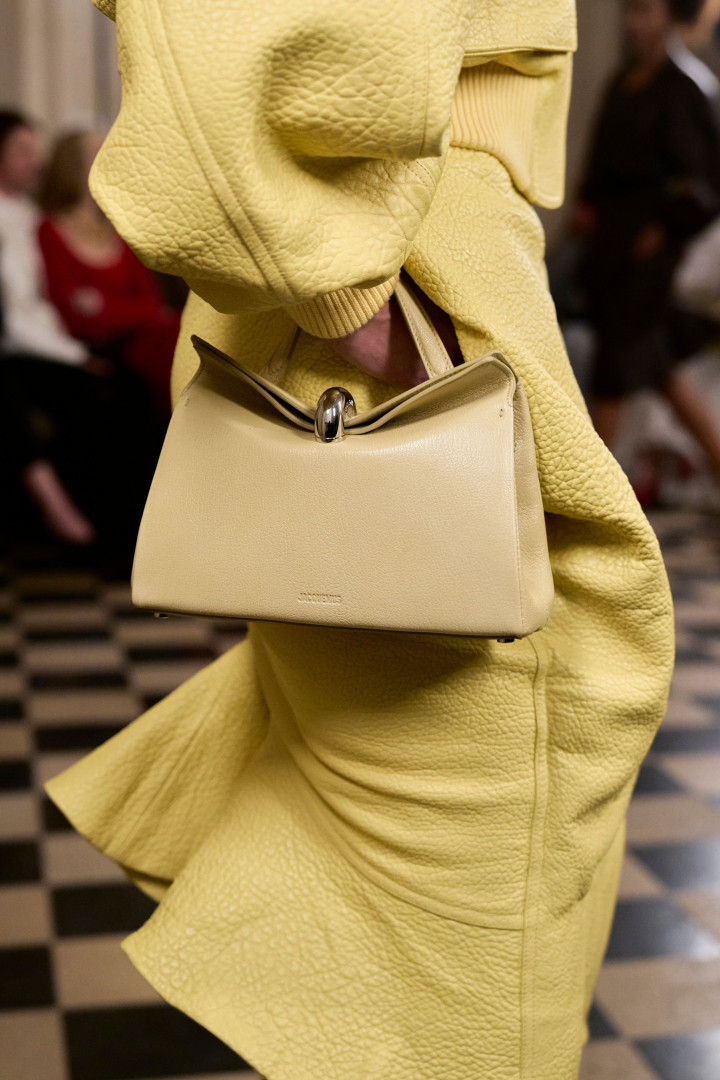
The collection carried a sense of controlled irreverence. Silhouettes were not stable; they bent, curved and softened as if resisting rigidity itself. Tailoring was reinterpreted through sculptural compression and expansion, creating garments that felt simultaneously familiar and slightly dislocated from traditional logic. Dresses and outerwear existed in a constant negotiation between structure and play, never fully committing to either.
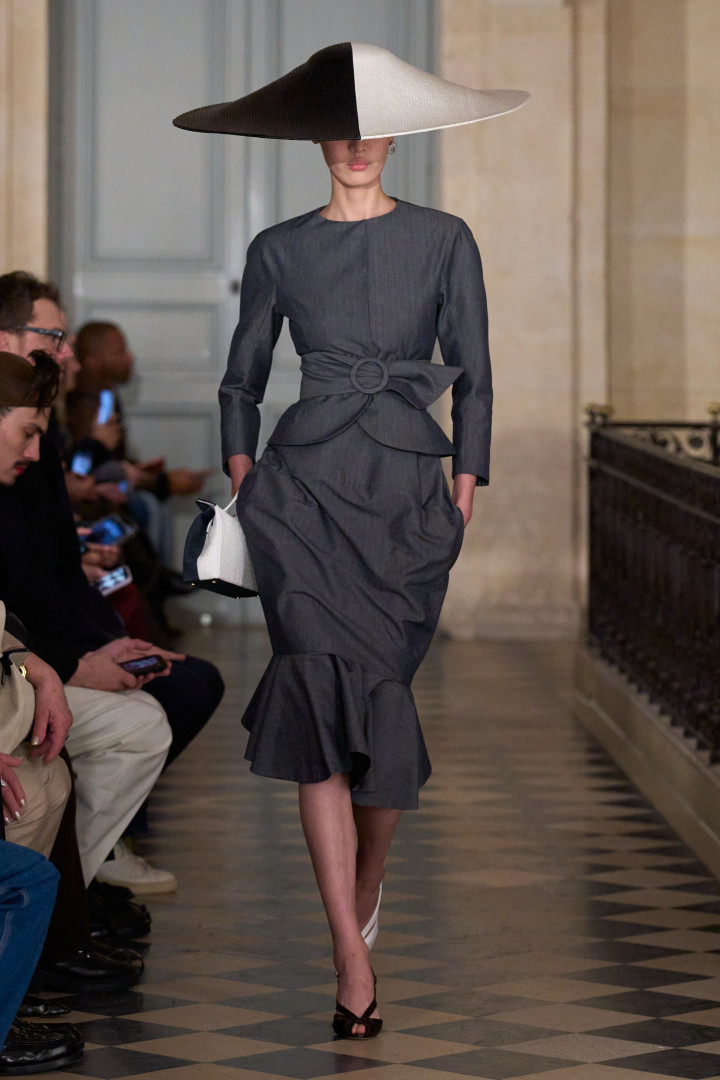
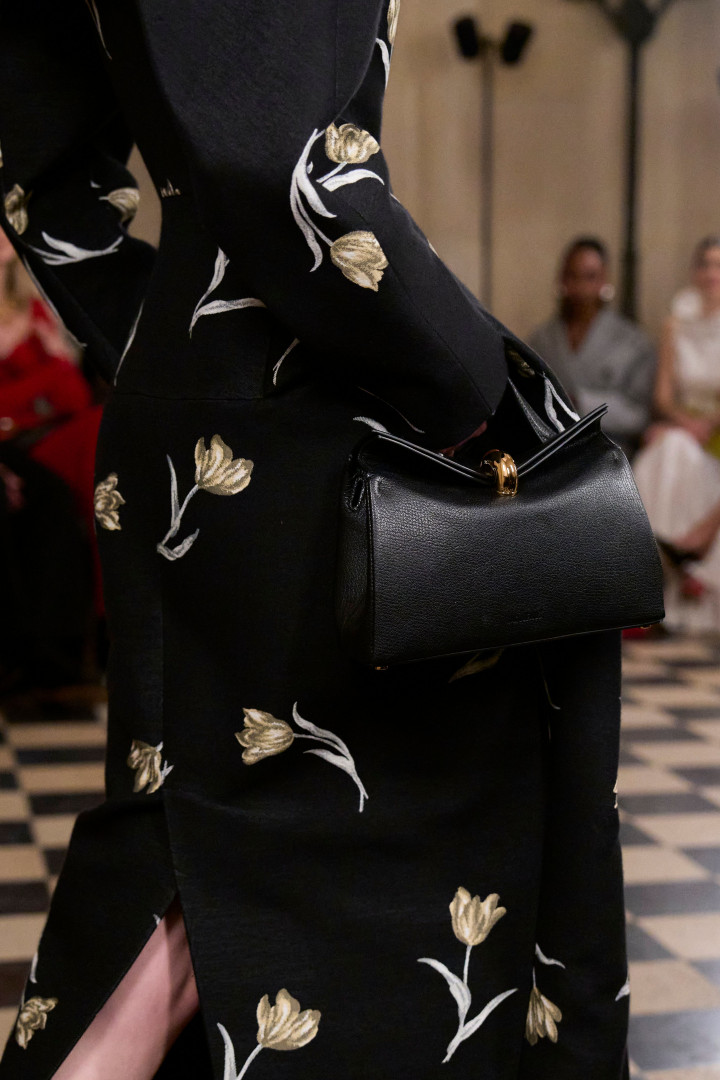
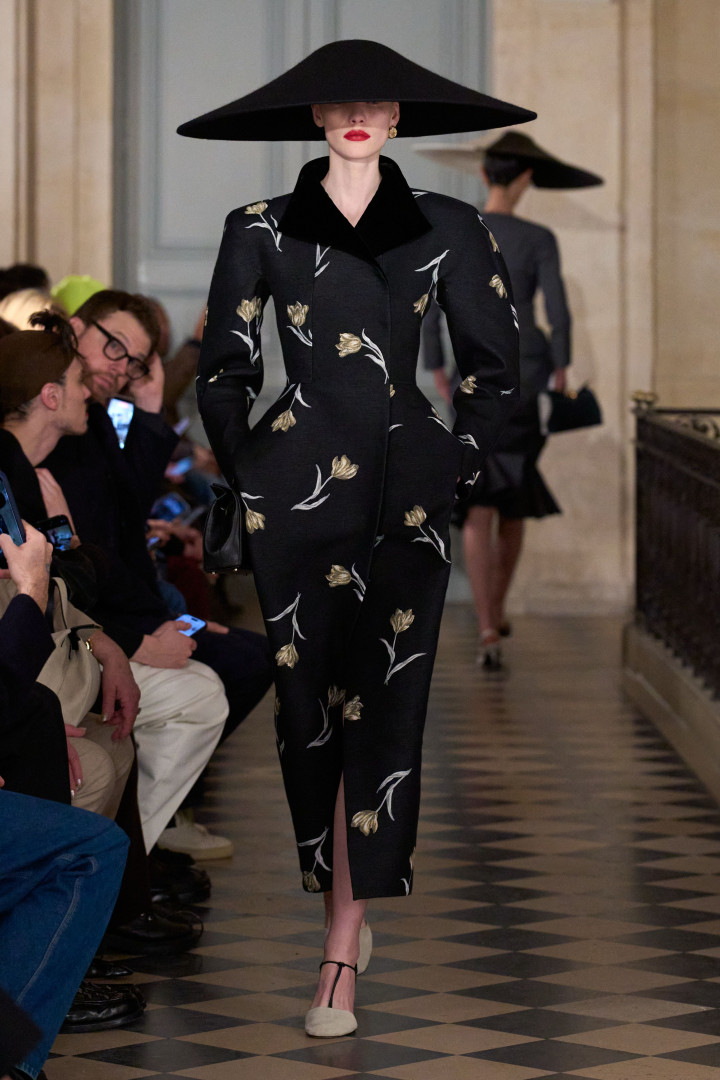
Jacquemus/Reproduction
What defines this Jacquemus universe is not simplicity, but edited simplicity — a carefully constructed illusion of ease. Beneath the apparent lightness lies precise architectural thinking. Every line is intentional. Every volume is calculated to feel accidental. This contradiction is where the emotional intelligence of the collection resides.
There is also a distinct emotional temperature that runs through the entire work. It is neither nostalgic nor futuristic, but suspended in an in-between state where humour, sensuality and irony coexist without hierarchy. The palm tree — recurring as symbol and motif — functions less as decoration and more as a psychological marker: vertical, slightly surreal, rooted in Mediterranean imagery yet detached from realism.
The presentation itself reinforces this cinematic logic. Garments do not simply appear; they unfold like scenes within a visual narrative that feels edited rather than linear. Fashion becomes fragmented storytelling — moments, gestures and silhouettes constructed as if for memory rather than documentation.
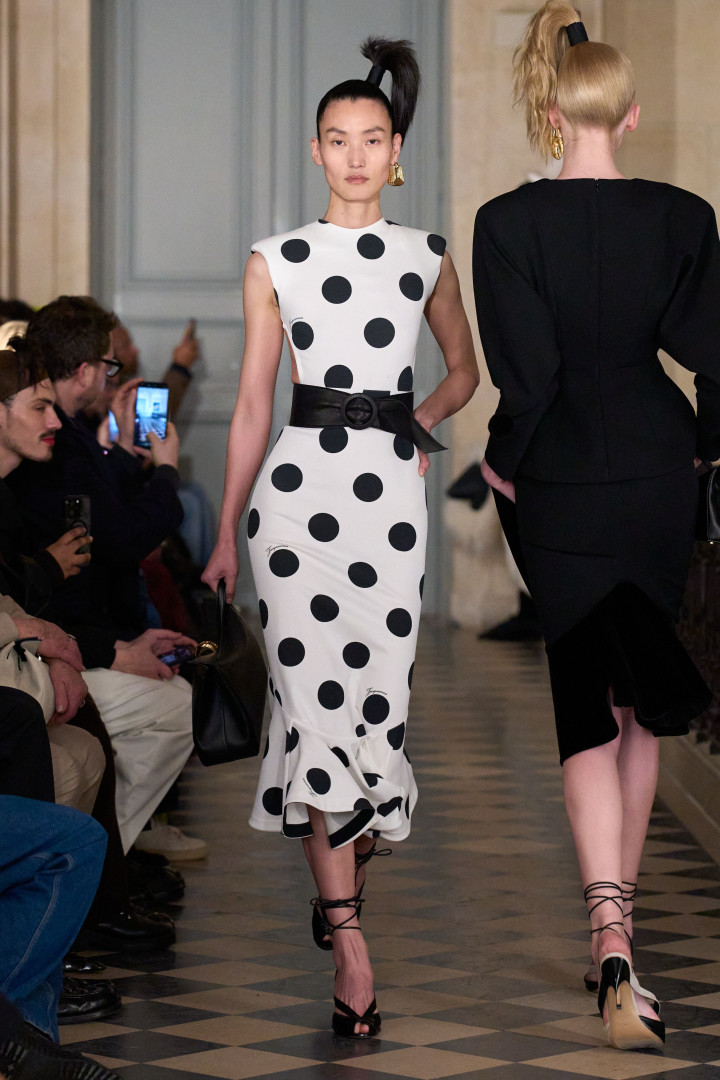
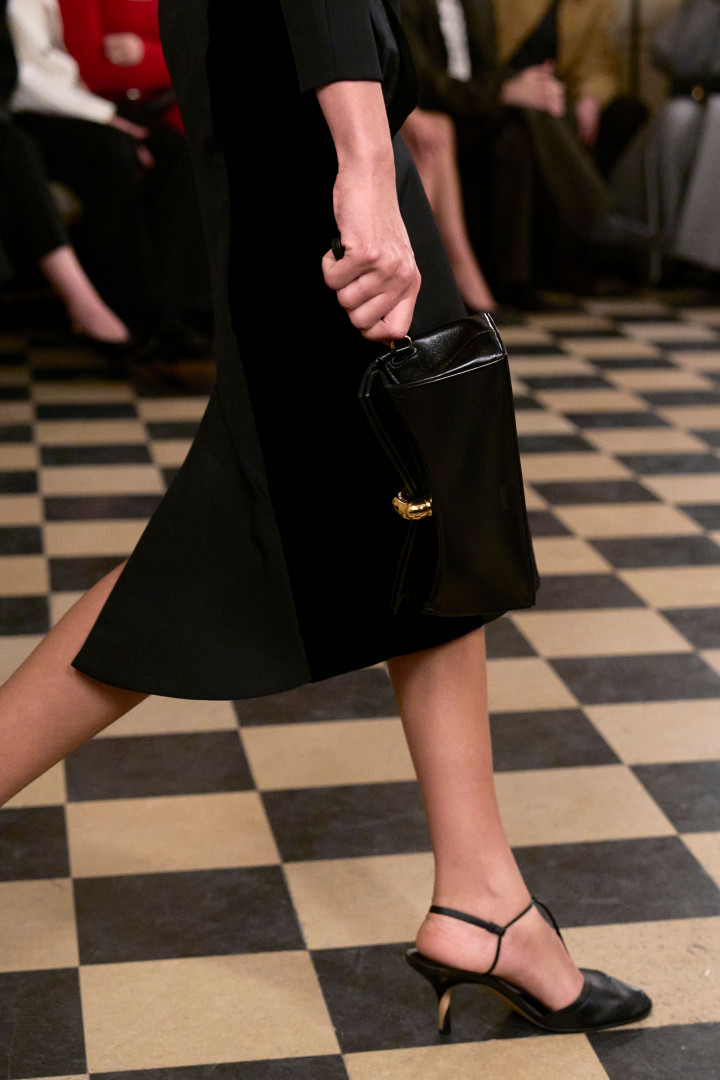
Within this framework, Jacquemus continues to refine a very specific idea of contemporary femininity. It is not fixed, not resolved, and certainly not singular. It moves between softness and structure, play and discipline, innocence and self-awareness. It is a femininity defined not by category, but by fluctuation.
What makes Le Palmier particularly compelling is its refusal to resolve contradiction. Instead, contradiction becomes the point of equilibrium. Lightness is never absence of depth. Simplicity is never absence of thought. And play is never absence of control.
With Fall/Winter 2026, Jacquemus once again demonstrates that its most radical gesture is restraint disguised as spontaneity a world where desire is not declared, but quietly constructed through proportion, silence and visual intelligence.