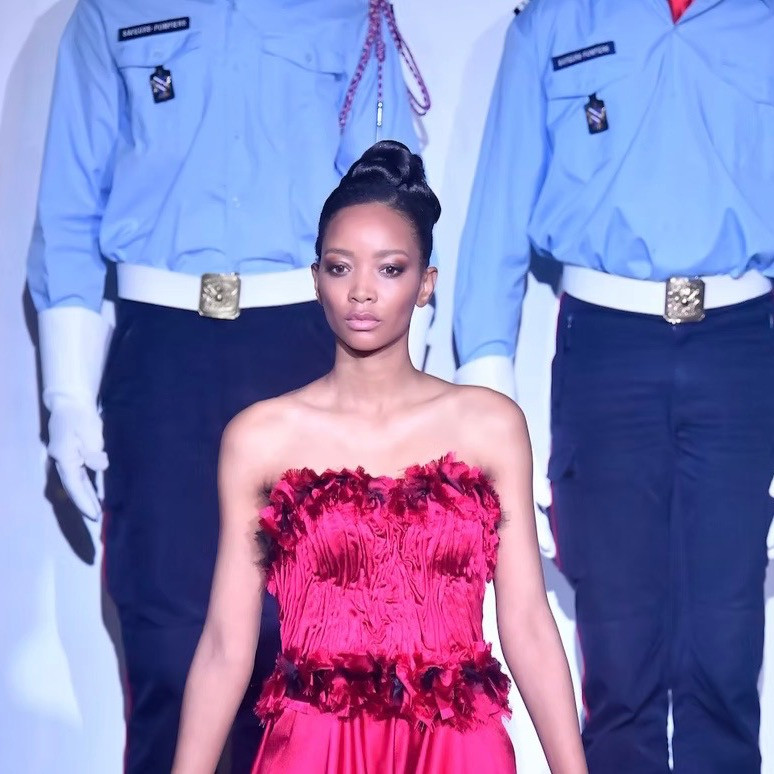
Franck Sorbier Haute —Couture Été 2026
In an era where fashion increasingly chases immediacy and spectacle, Franck Sorbier continues to create couture as emotional memory. With Cœur en Fête, the maison presented not simply a collection, but a poetic meditation on beauty, performance, nostalgia and celebration, where flowers became both visual language and spiritual symbol.
The collection unfolded like an ode to French artistic sensibility itself. Sorbier drew inspiration from cinema, music, ballet, photography and theatrical elegance, constructing a universe suspended somewhere between the Nouvelle Vague, old Parisian balls and the ghostly glamour of forgotten icons. Marlene Dietrich appeared as an emotional apparition hovering over the collection, while Barbara, Visconti, Maria Callas and Serge Diaghilev emerged through atmosphere rather than direct reference. Couture became remembrance.
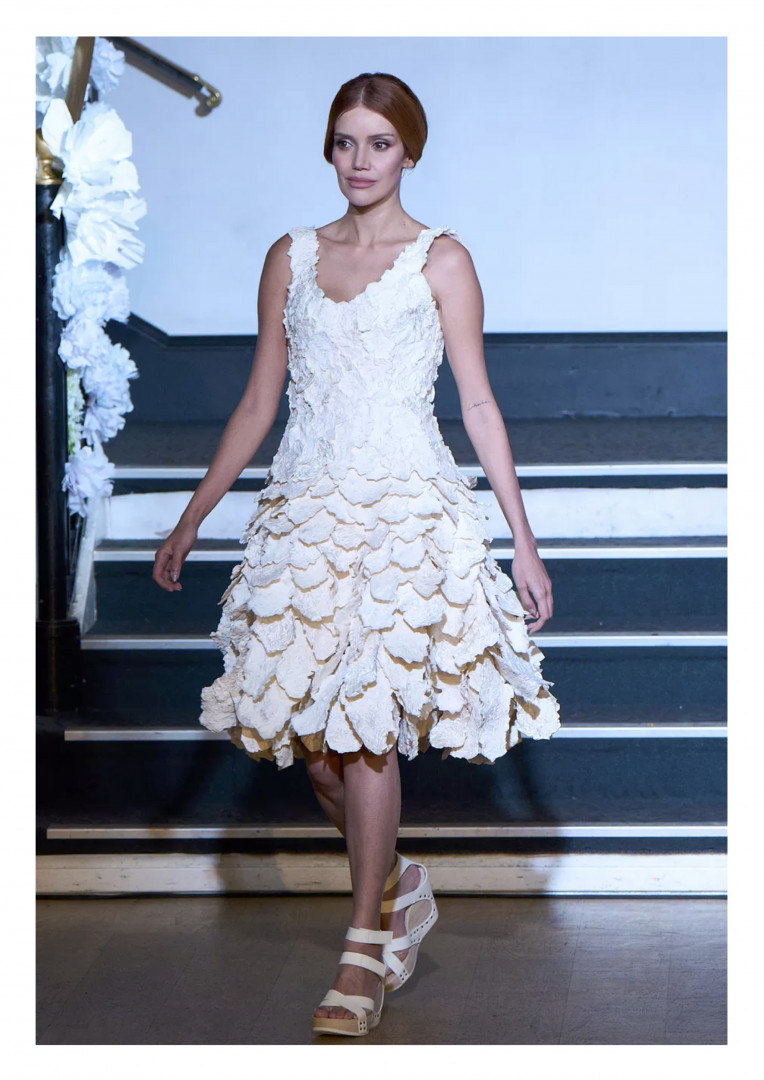
Credits ©PieroBiasion/FranckSorbier
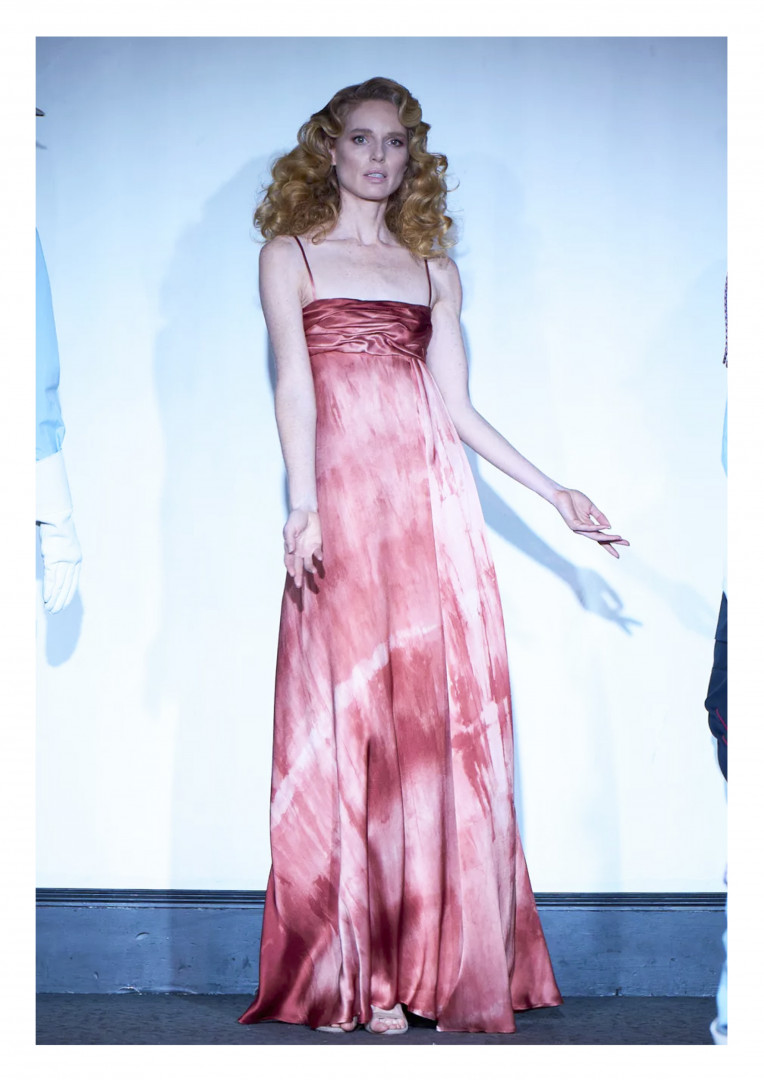
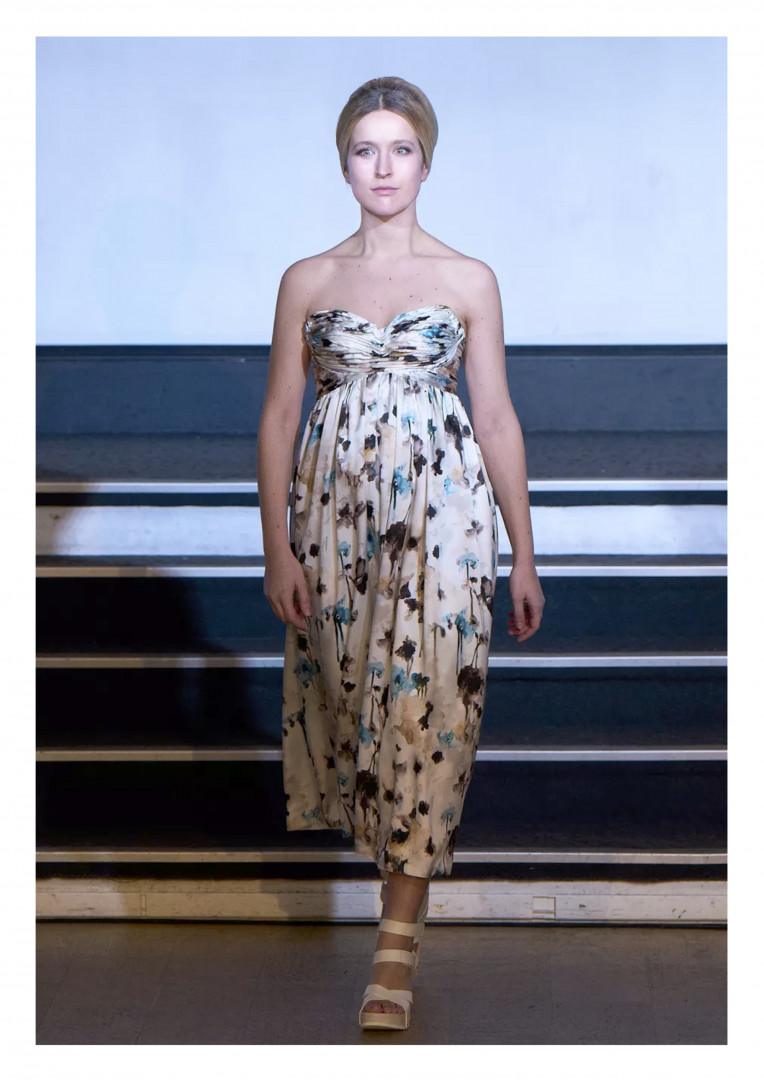
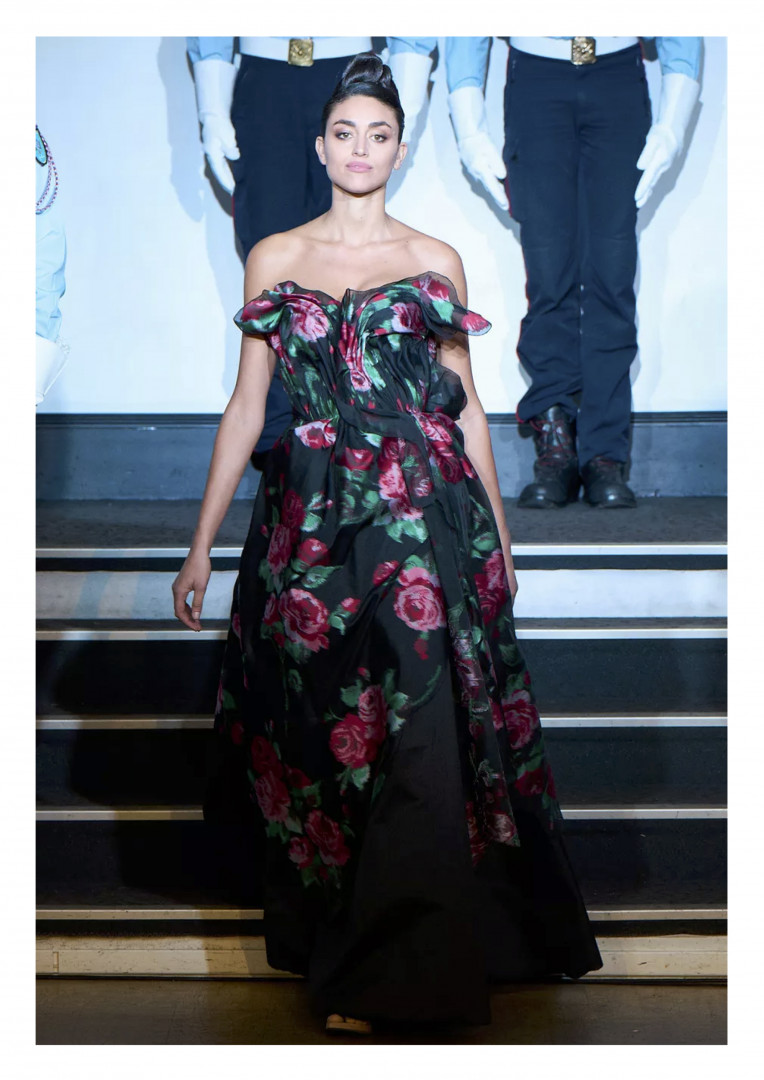
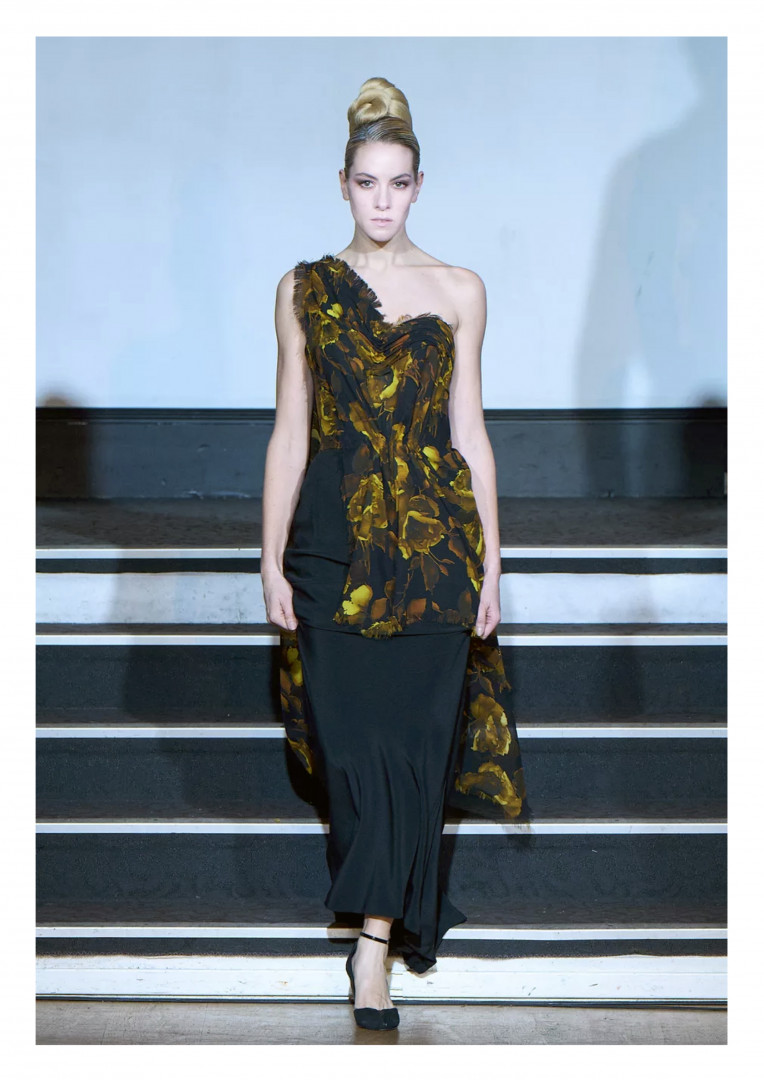
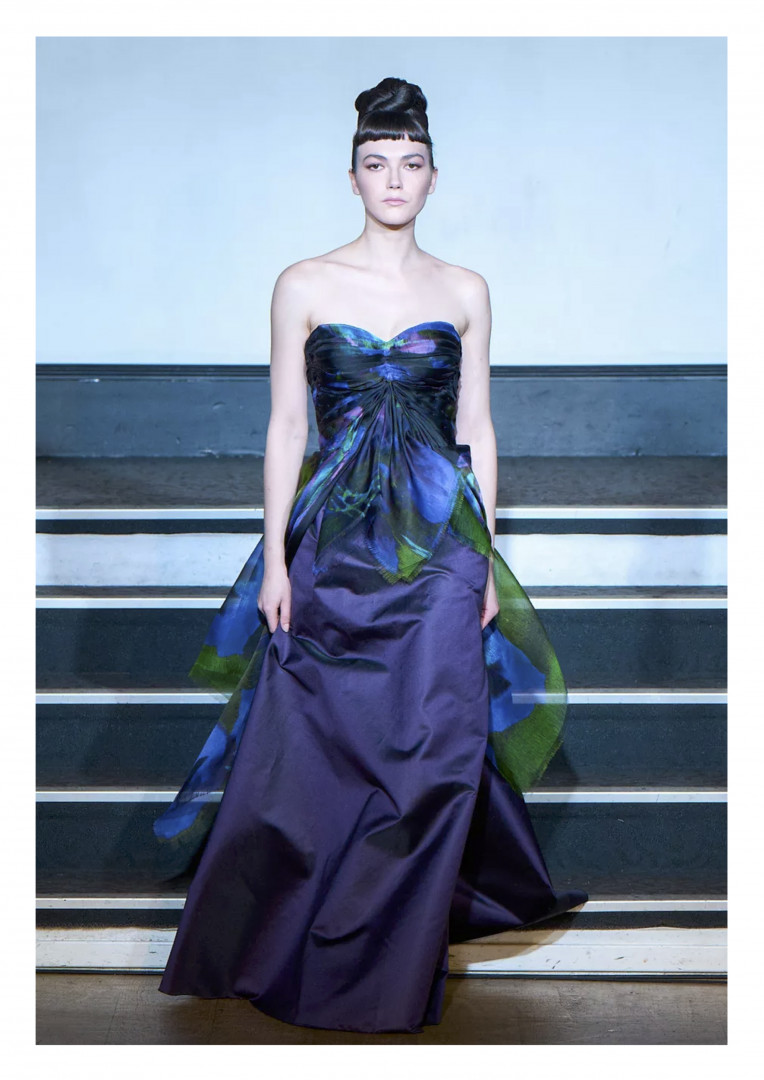
At the heart of Cœur en Fête existed an essential idea: flowers accompany triumph. Not merely as decoration, but as witnesses to emotion, transformation and human celebration itself. Throughout the collection, floral motifs appeared embroidered, painted, compressed, sculpted and suspended across silk, organza, chiffon and tulle like fragments of living memory attached to the body.
What distinguishes Sorbier’s couture is its refusal to separate craftsmanship from poetry. Every silhouette carried narrative depth. Dresses were named after imaginary and historical balls — The Firemen’s Ball, The Watercolor Ball, The Ball of the Terrible Children, The Golden Rose Ball — transforming the runway into a procession of emotional tableaux rather than sequential looks. Fashion here was not consumed visually alone. It was inhabited imaginatively.
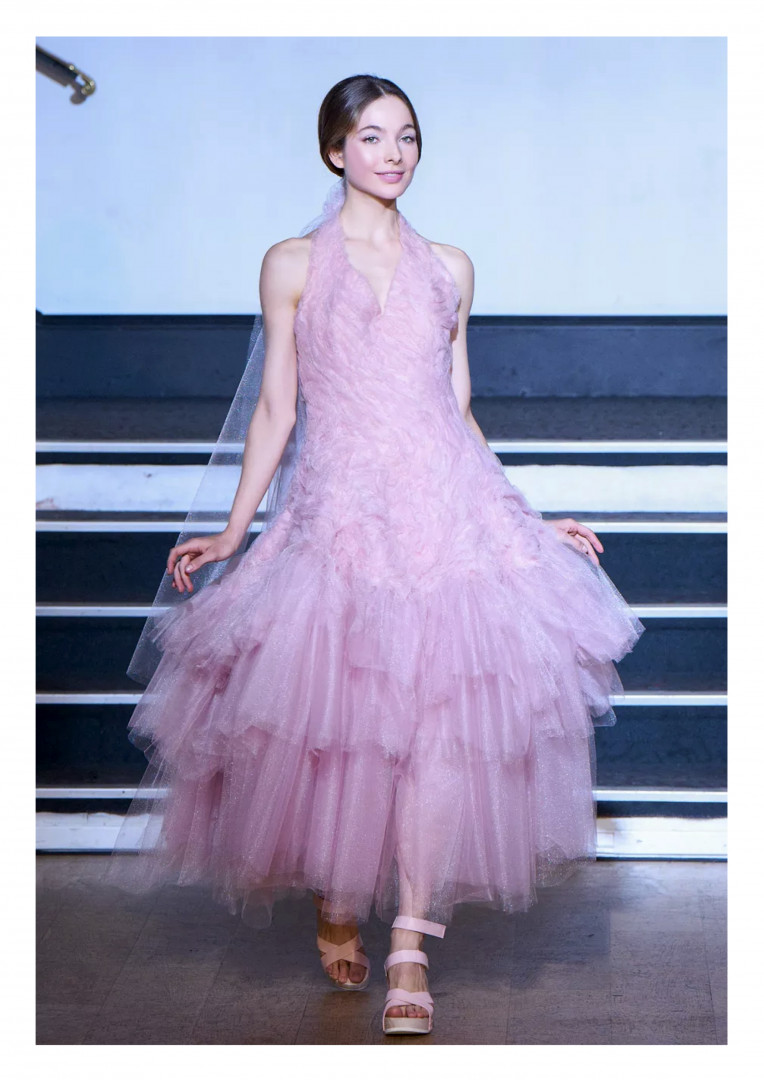
The silhouettes oscillated between fragility and theatrical grandeur. Draped bustiers sculpted the waist and posture with extraordinary delicacy, while layered tulle, floral jacquards and flowing silks introduced movement reminiscent of stage costume and dance. There was something unmistakably operatic in the way the garments occupied space, as though designed not for ordinary life, but for heightened emotional existence.
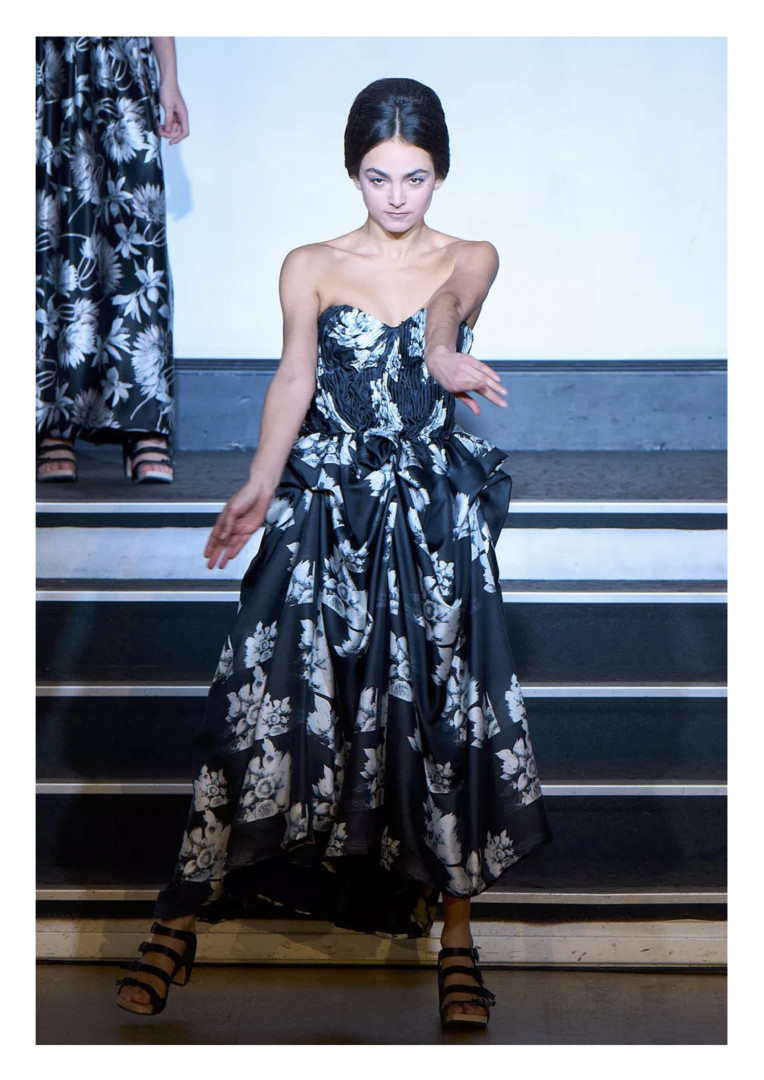
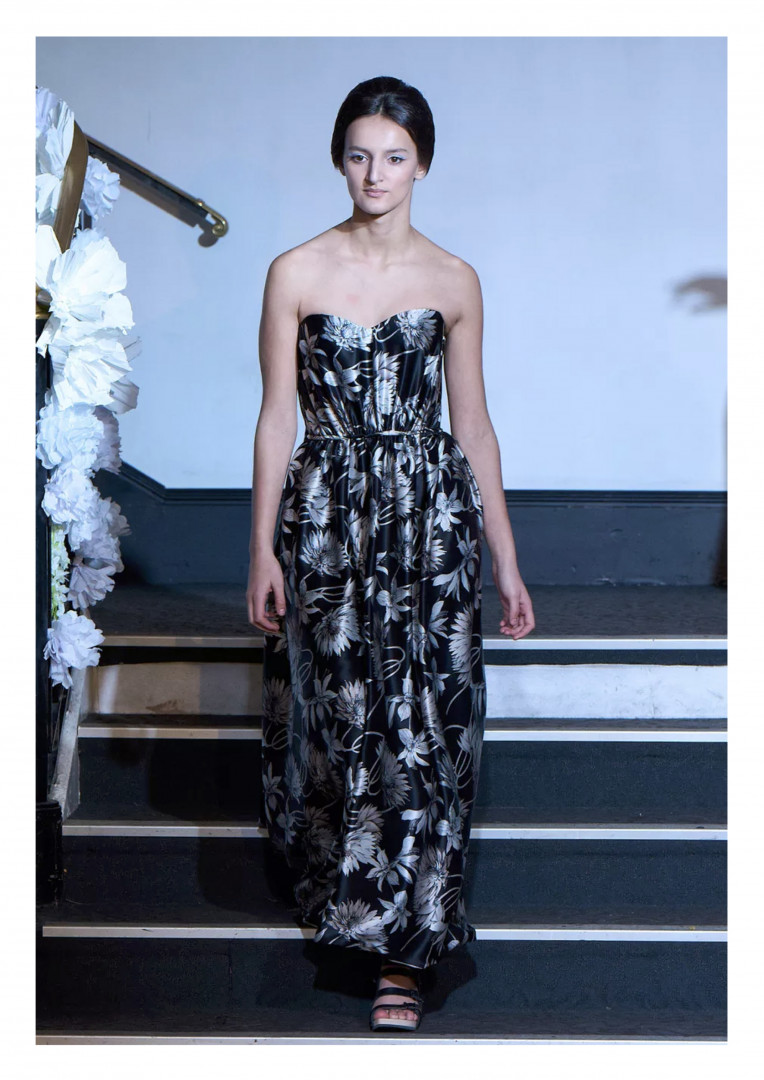
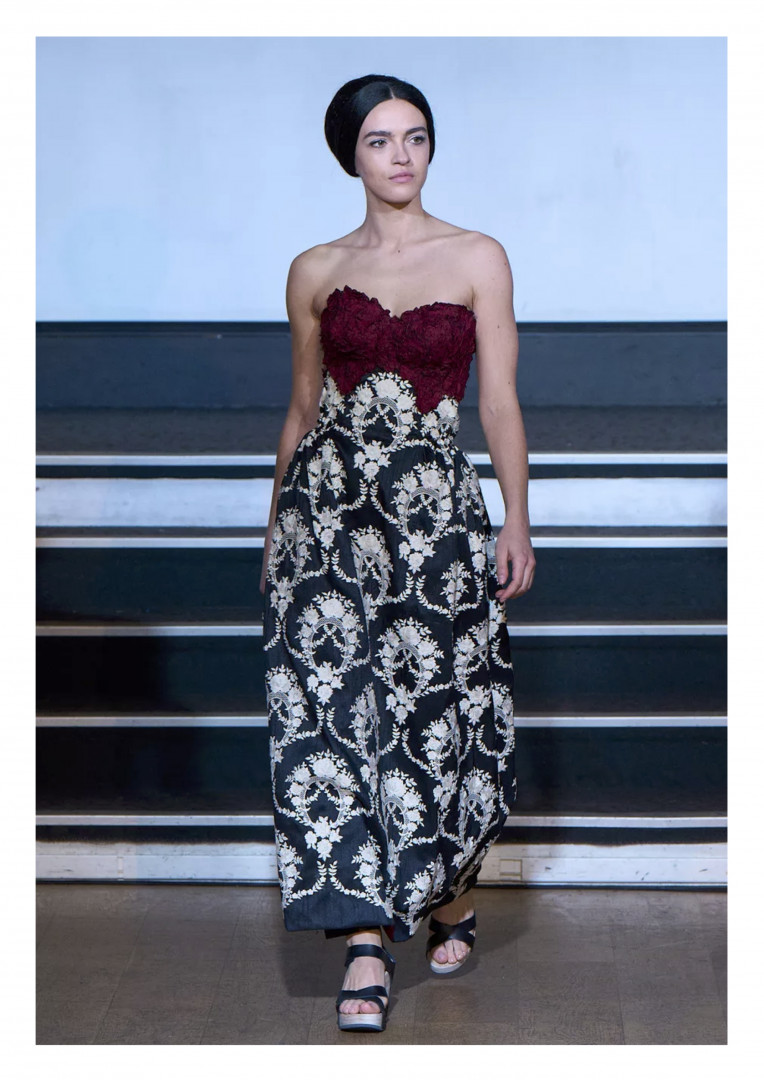
Credits ©PieroBiasion/FranckSorbier
Colour functioned almost musically throughout the collection. Ottoman reds, blotting pinks, midnight blues, ochre yellows and natural whites unfolded like emotional notes across the runway. Black and white floral motifs appeared repeatedly, reinforcing the collection’s dialogue between nostalgia and modernity, shadow and illumination.
Yet despite its immense romanticism, Cœur en Fête never collapsed into nostalgia alone. Sorbier approached couture as living heritage rather than historical reproduction. Ancient silhouettes merged with rebellious lightness, while references to the Ancien Régime coexisted beside Nouvelle Vague freedom and contemporary fragility. The result felt timeless precisely because it resisted belonging entirely to one era.
Perhaps the most powerful aspect of the collection was its emotional sincerity. In a fashion landscape often dominated by irony and detachment, Sorbier allowed beauty to remain unapologetically emotional. Flowers became symbols not of superficial prettiness, but of tenderness, memory, melancholy and survival.
With Cœur en Fête, Franck Sorbier reminded us that haute couture still possesses the ability to function as art, theatre and emotional refuge simultaneously. A world where silk, flowers and memory continue to bloom against the acceleration of modern life.
Credits ©PieroBiasion/FranckSorbier