Dior Haute Couture Spring/Summer 2026: Reverence, Reinvention and the Architecture of Memory
There are moments in couture when a debut ceases to feel like an arrival and begins to resemble a confrontation — not with the audience, but with history itself. For his first haute couture collection at Christian Dior, Jonathan Anderson approached the house with neither fear nor blind nostalgia. Instead, he entered it as one enters an archive: carefully, obsessively, almost emotionally.
The collection unfolded like a meditation on memory and transformation. Not memory as preservation, but memory as living material — something capable of distortion, reconstruction and rebirth. Every silhouette seemed suspended between past and future, between the discipline of couture tradition and the instinctive unpredictability of contemporary creation.
Editorial reproduction — publicly available press imagery
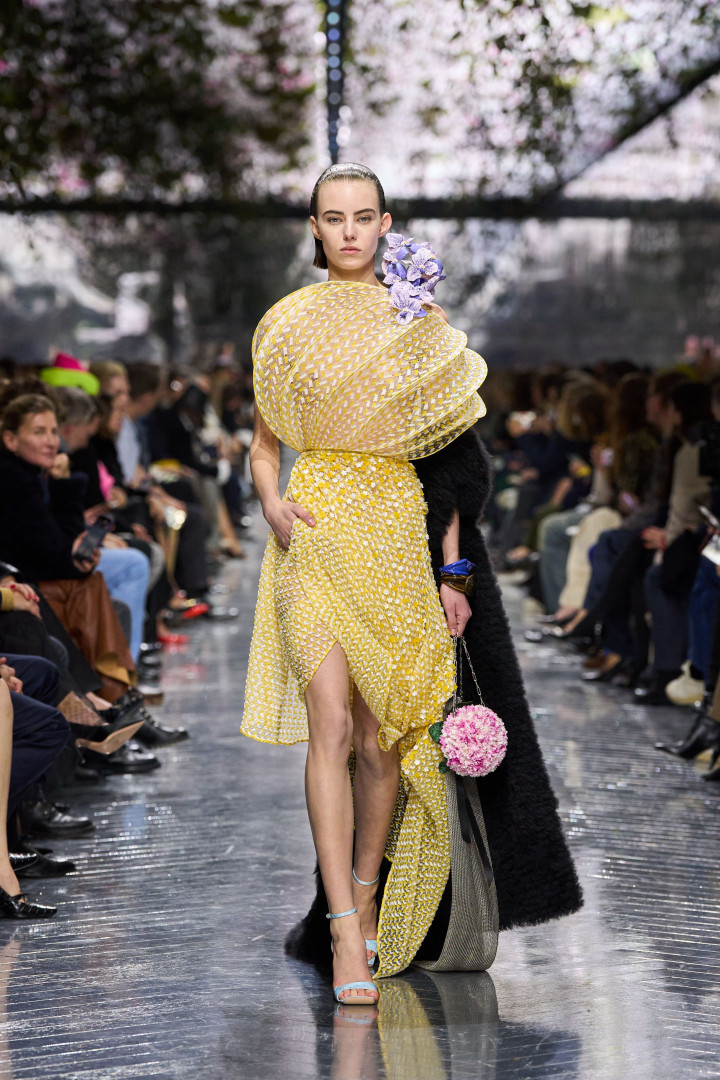
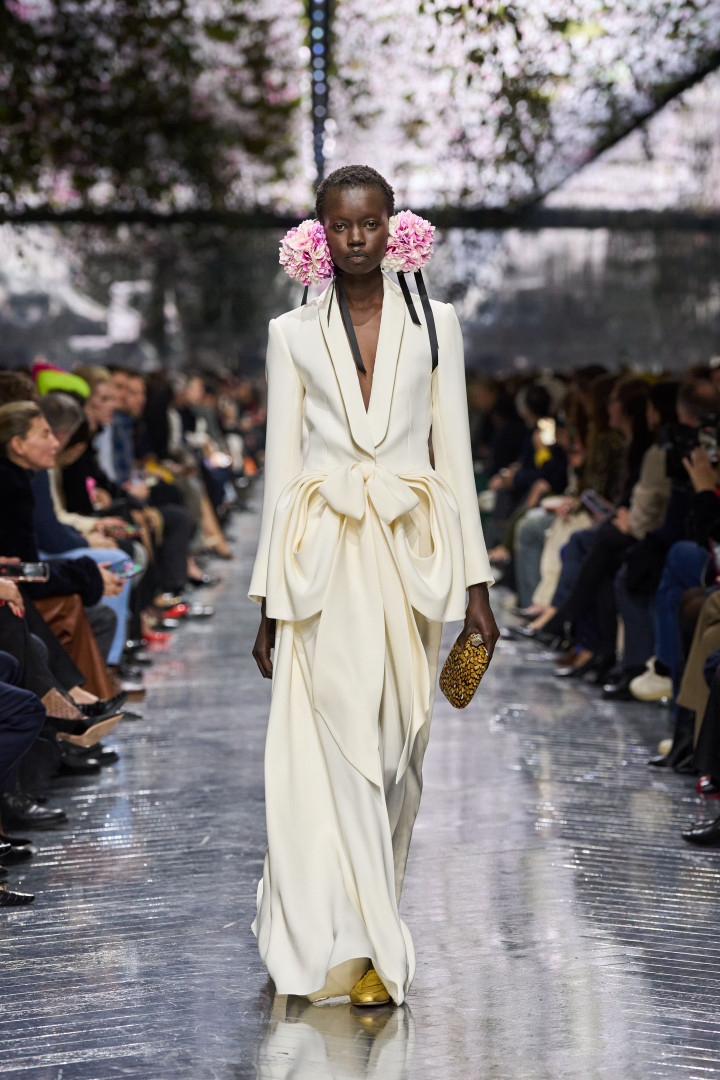
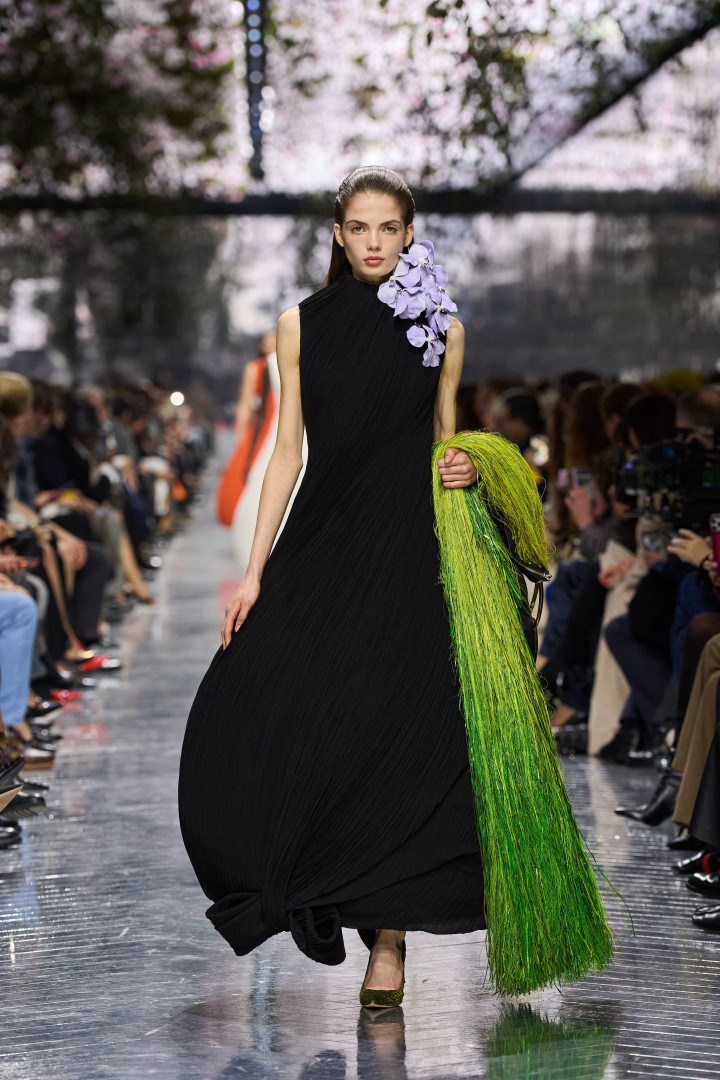
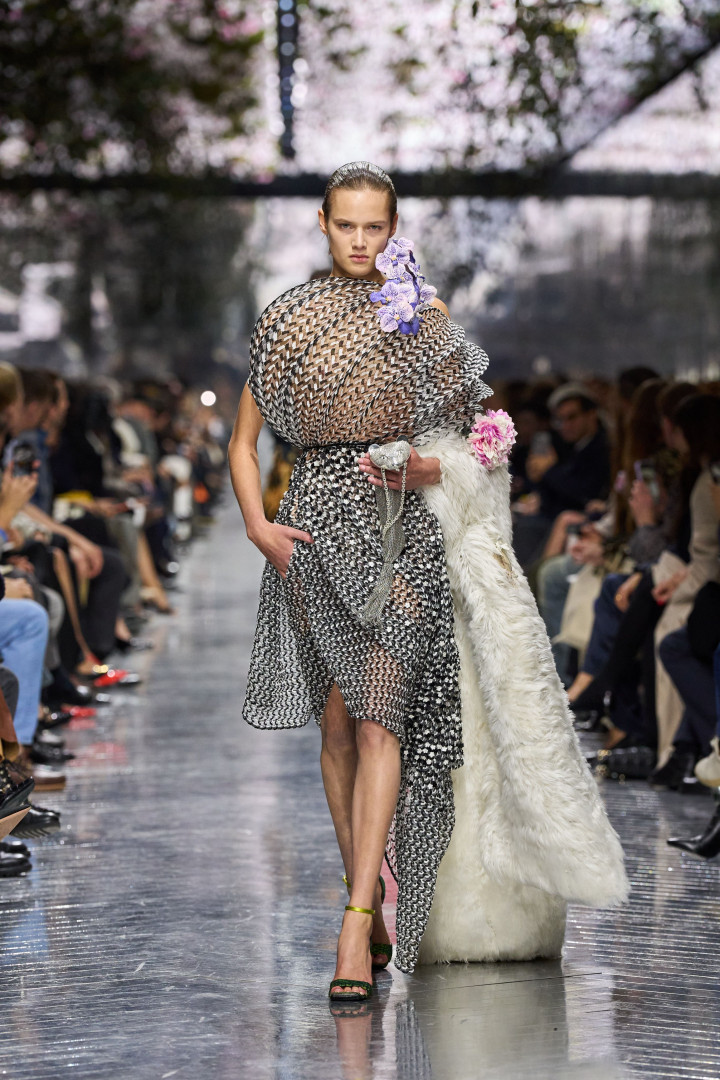
There was a sculptural quality running through the collection that felt almost archaeological. Bodies appeared carved rather than dressed. Volumes curved around the silhouette with a tension that oscillated between softness and rigidity, while fabrics moved with an irregular precision, as though resisting perfection deliberately. Couture here was not treated as ornament, but as form in its purest emotional state.
Jonathan Anderson understands something essential about modern luxury: true reinvention cannot exist without reverence. Rather than erasing the codes of Christian Dior, he destabilised them gently. Familiar ideas of femininity, tailoring and romanticism remained present, though transformed into something stranger, quieter and more intellectually charged.
Editorial reproduction — publicly available press imagery
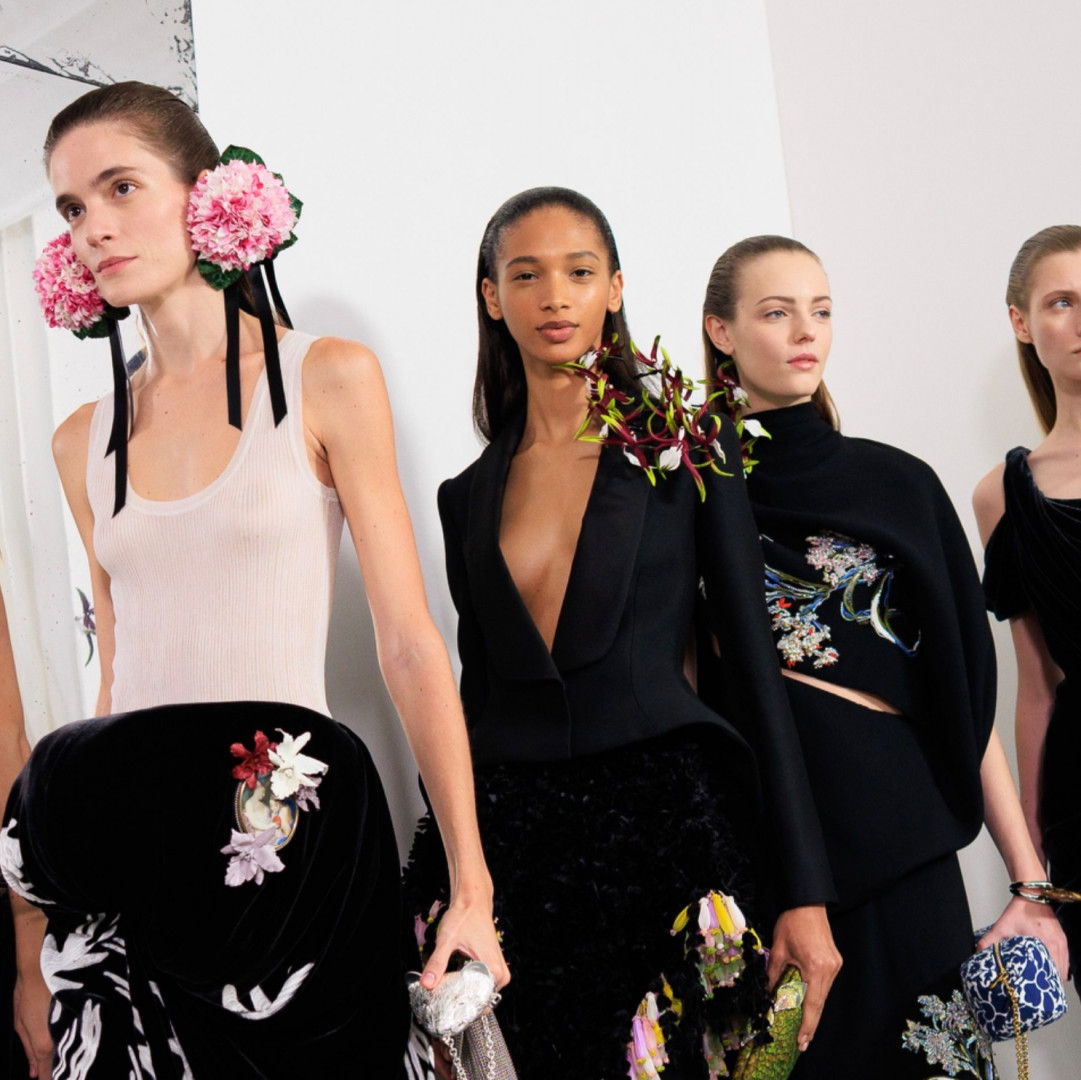
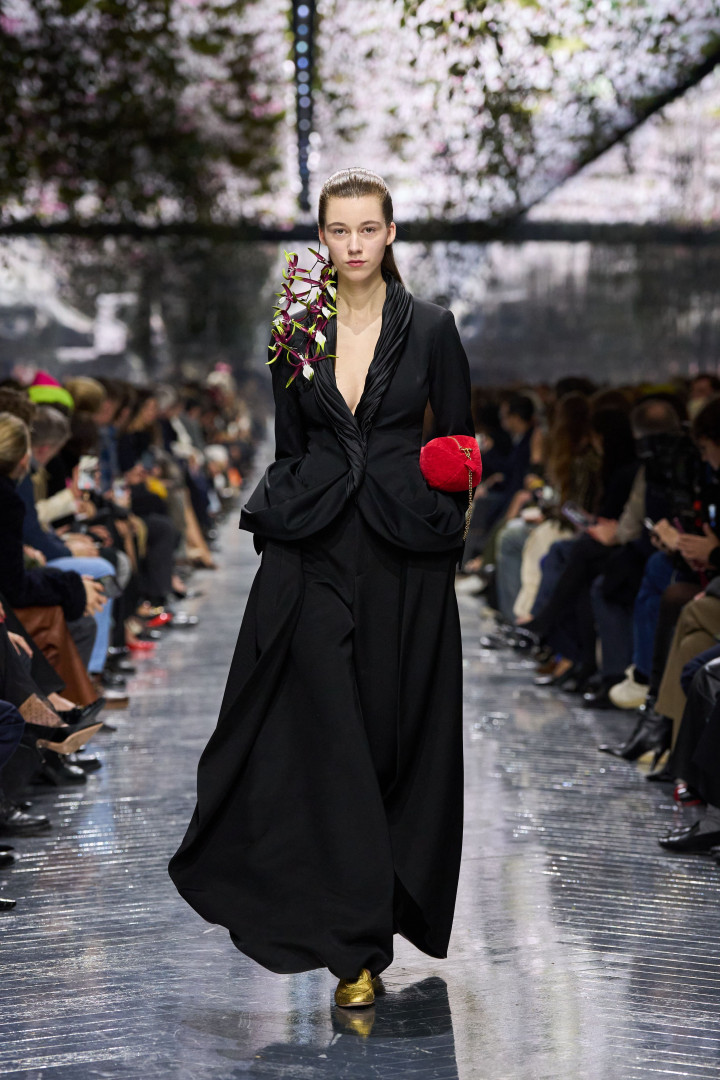
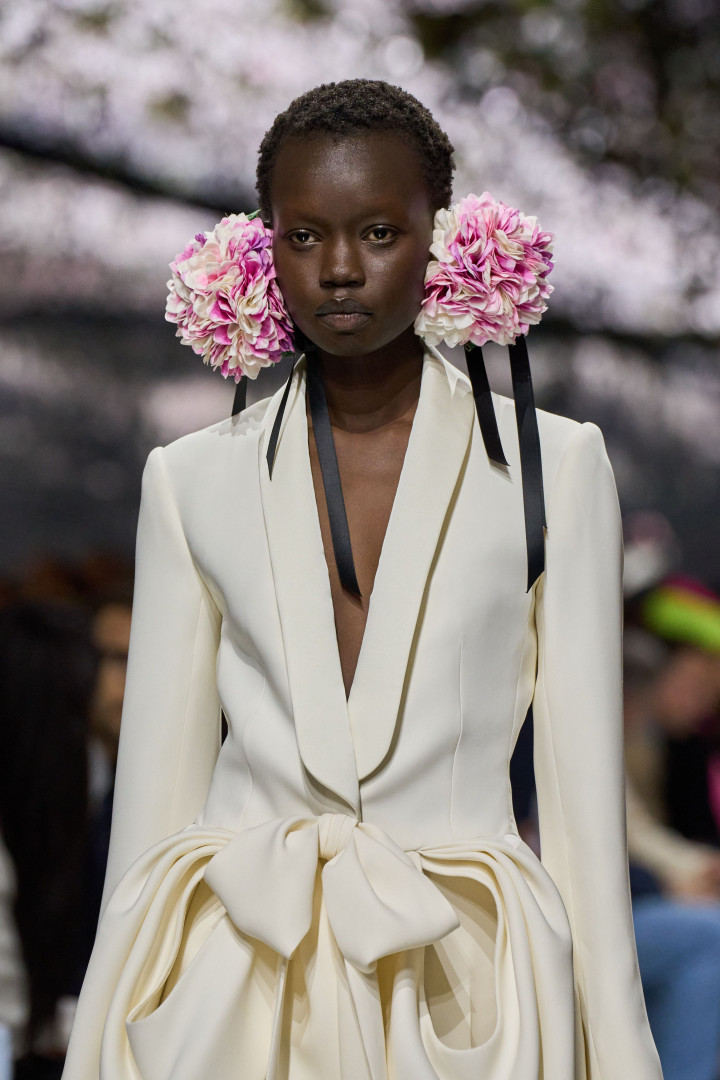
Flowers, long embedded within the mythology of the house, appeared throughout the collection not as symbols of delicacy, but as fragmented emotional traces. They emerged almost ghost-like across garments and textures, suspended somewhere between decay and bloom. Romanticism itself felt reconfigured — no longer soft or sentimental, but introspective and slightly unsettling.
What made the collection particularly compelling was its restraint. In an era where couture often competes for immediacy and spectacle, Anderson chose atmosphere over excess. The garments carried weight without heaviness, emotion without theatricality. Even the most intricate constructions retained a sense of intimacy, as though the collection were speaking quietly rather than demanding attention.
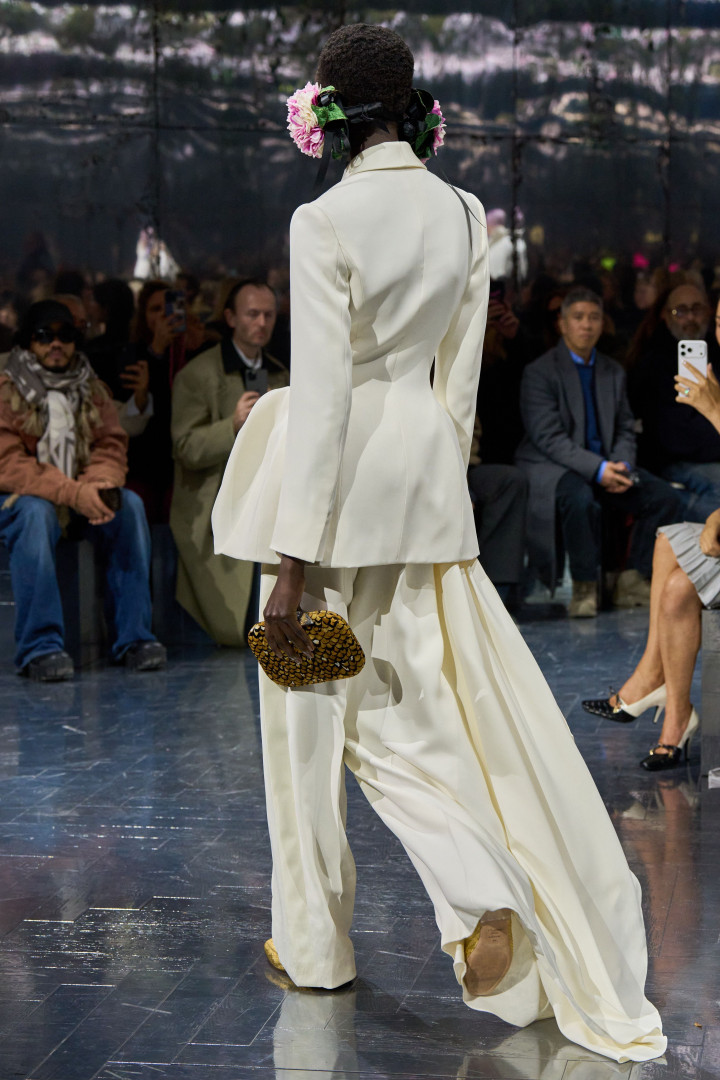
There was also an undeniable tension between tradition and disruption. Elements associated with classical couture craftsmanship collided with unexpected textures, proportions and gestures that felt almost instinctual in their execution. Knitwear appeared beside sculptural tailoring. Fragility coexisted with control. Precision dissolved into irregularity. Nothing remained static.
And perhaps that is where the collection revealed its greatest strength. Jonathan Anderson did not attempt to modernise couture through shock, irony or distance. Instead, he approached it through sensitivity — by allowing contradiction, curiosity and imperfection to coexist within the same visual language.
With Spring/Summer 2026, Christian Dior did not simply present a new creative direction. It presented a new emotional rhythm for the house itself — one where couture becomes less about preserving an image of beauty and more about questioning how beauty continues to evolve through memory, tension and reinvention.