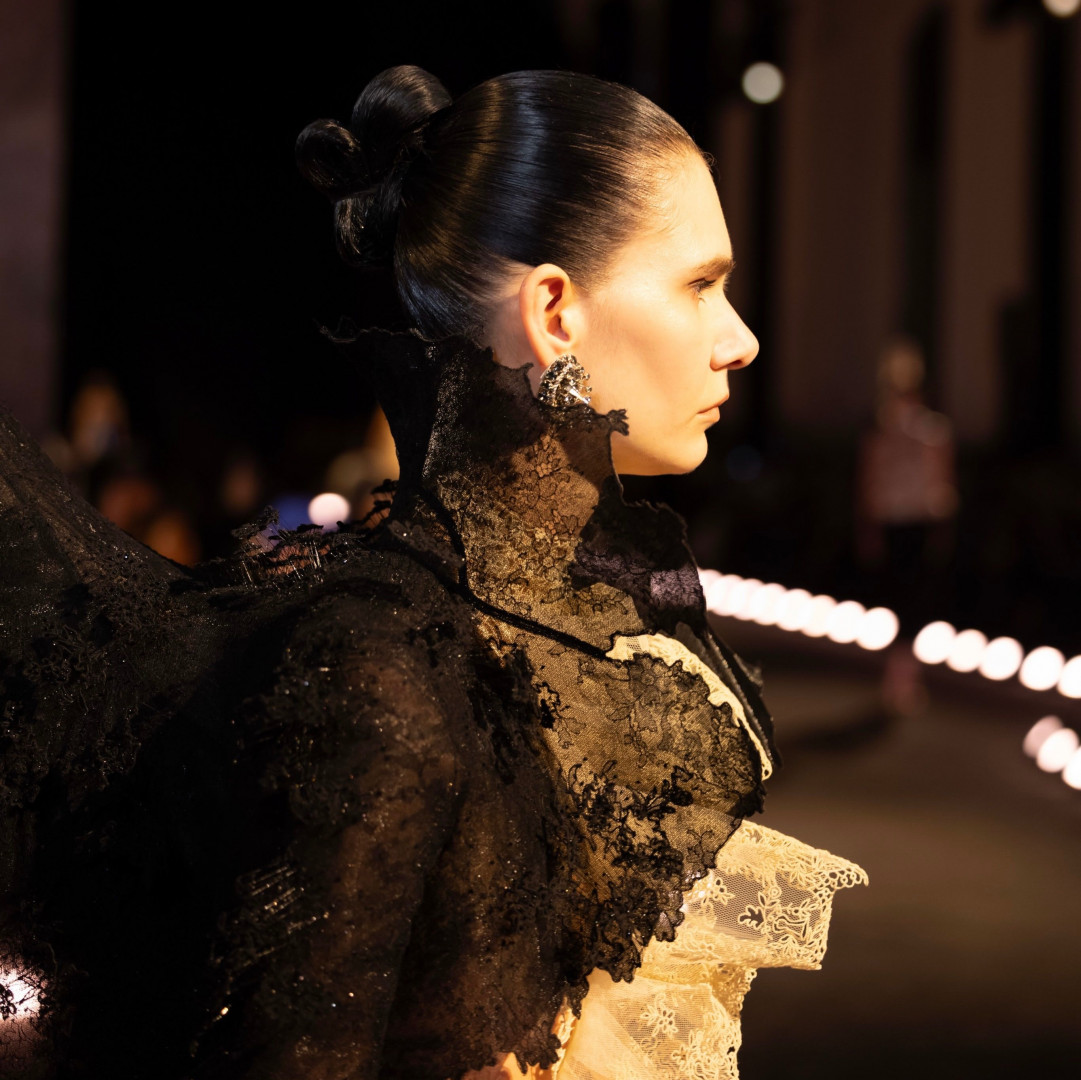
Schiaparelli Haute Couture Autumn/Winter 2026–2027 – The Agony and the Ecstasy: Anatomy of Excess, Divinity and Desire
There are collections that dress the body, and there are collections that attempt to dissect it emotionally. With The Agony and the Ecstasy, Schiaparelli presented a couture offering that moved beyond spectacle and entered something far more psychological — a study of tension between sanctity and seduction, discipline and delirium, structure and surrender.
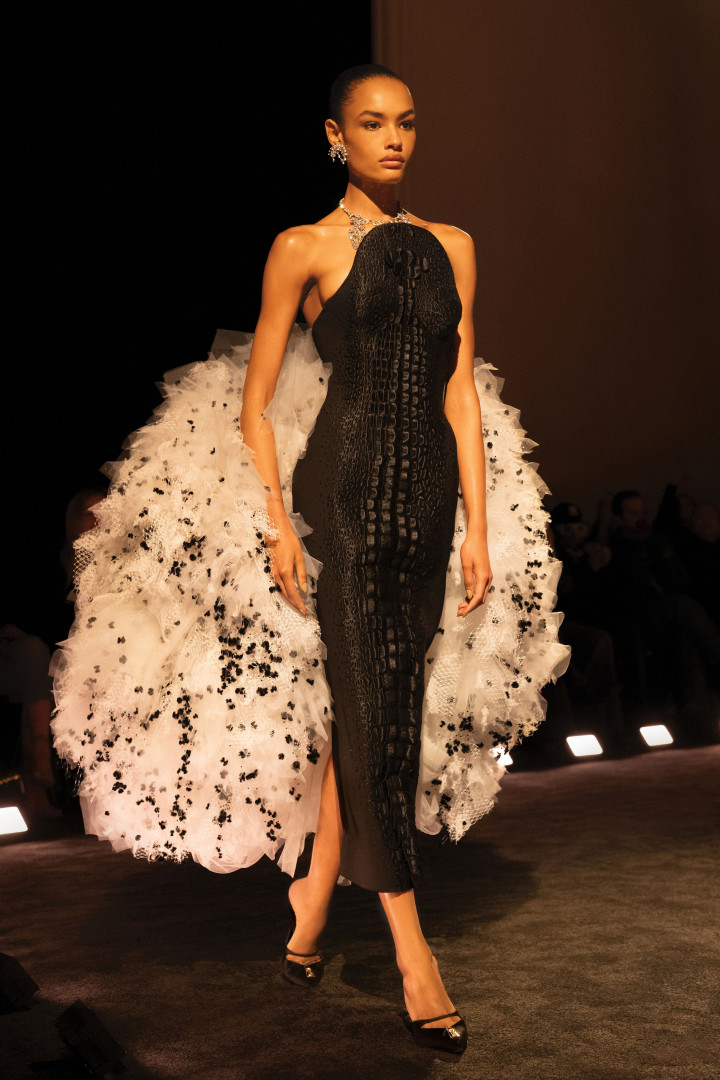
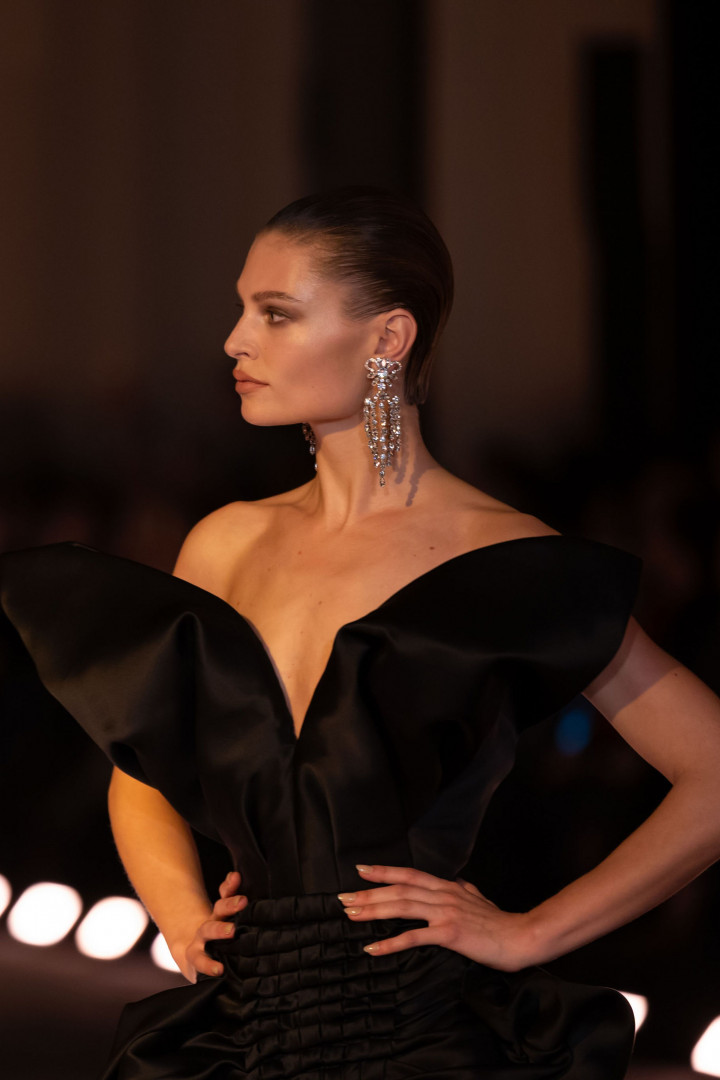
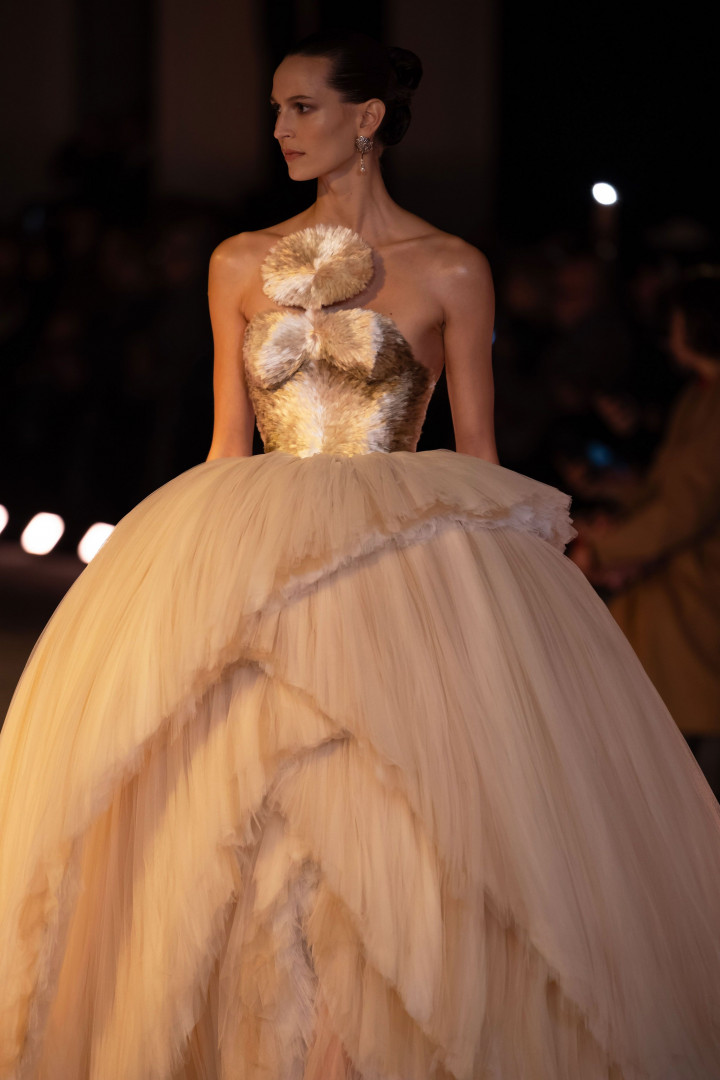
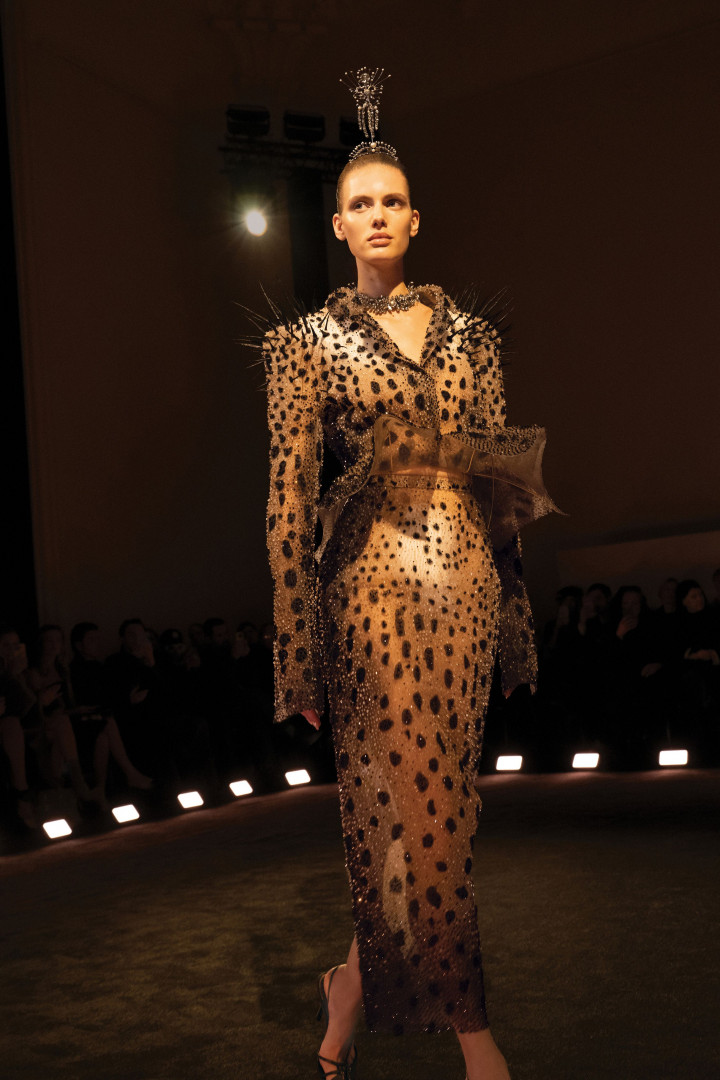
The collection unfolded like a surrealist opera suspended between dream and devotion. Inspired by the anatomical intensity of classical sculpture, religious iconography and the theatrical language of old Hollywood, the silhouettes carried an almost sacred violence to them, as though each garment had been sculpted rather than sewn. Gold no longer functioned merely as ornamentation, but as relic. Corsetry ceased to be restrictive and instead became ceremonial.
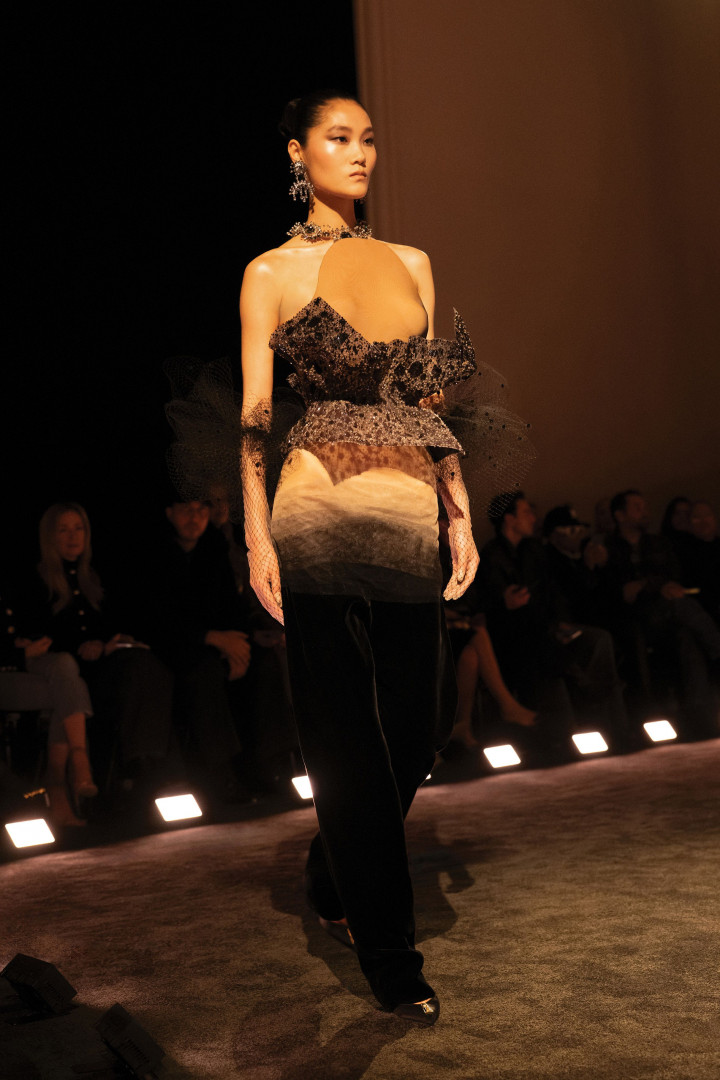
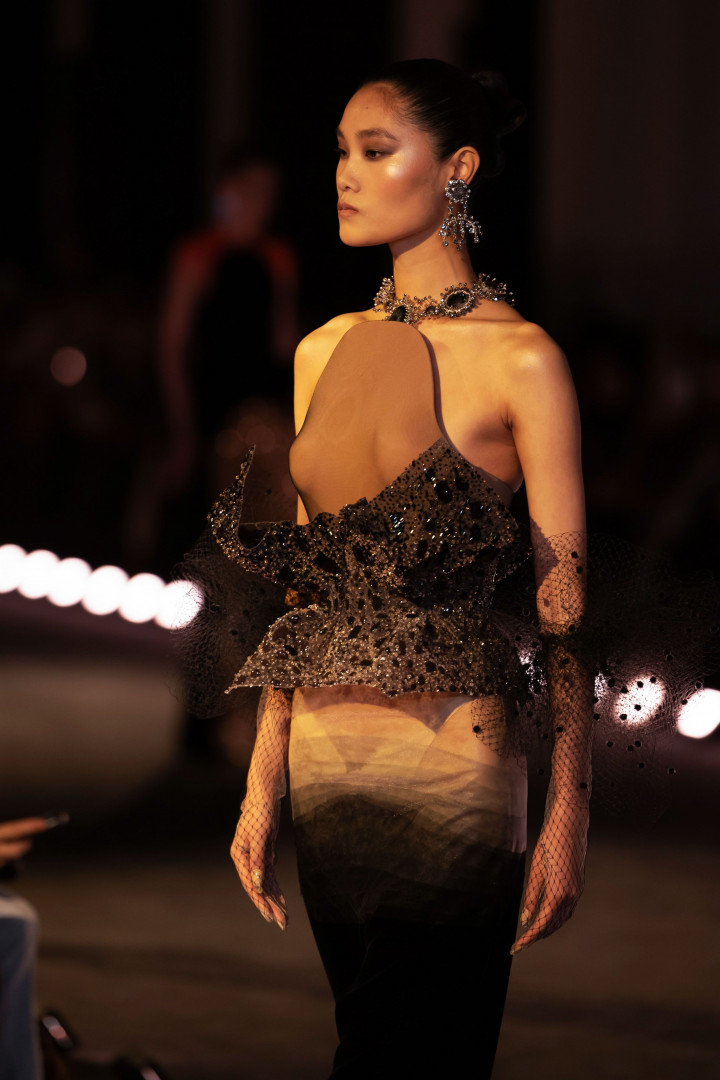
There was something profoundly cinematic in the way the body was treated throughout the collection. Breasts appeared moulded into metallic forms, waists sharpened into impossible precision, while elongated silhouettes moved like fragmented statues emerging from darkness. The human figure was continuously transformed into object, myth and symbol simultaneously.
Courtesy of Schiaparelli
Courtesy of Schiaparelli
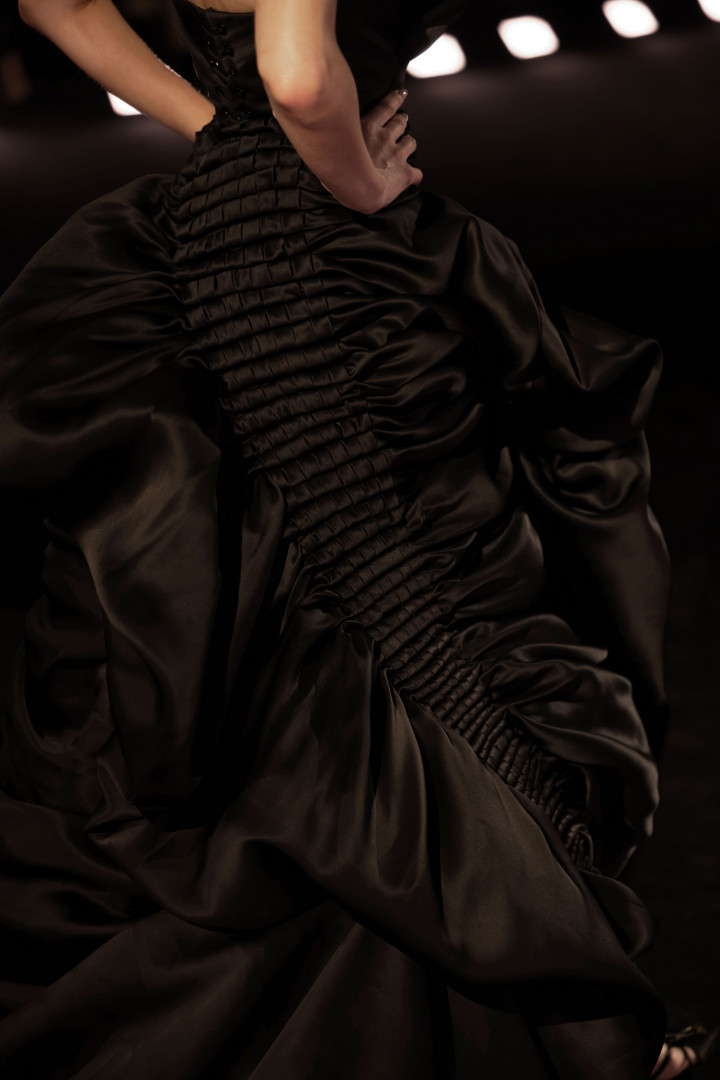
Courtesy of Schiaparelli
Yet beneath the grandeur existed something deeply intimate. The collection’s emotional power emerged precisely from its contradictions. Opulence was interrupted by fragility. Hyper-control coexisted with vulnerability. Even the most dramatic looks carried traces of exhaustion beneath their perfection, as though beauty itself had reached a point of collapse.
Daniel Roseberry continues to understand something essential about couture in the contemporary era: true extravagance today is not simply visual excess, but emotional conviction. In a cultural landscape saturated with immediacy and digital consumption, The Agony and the Ecstasy refused simplification. It demanded contemplation.
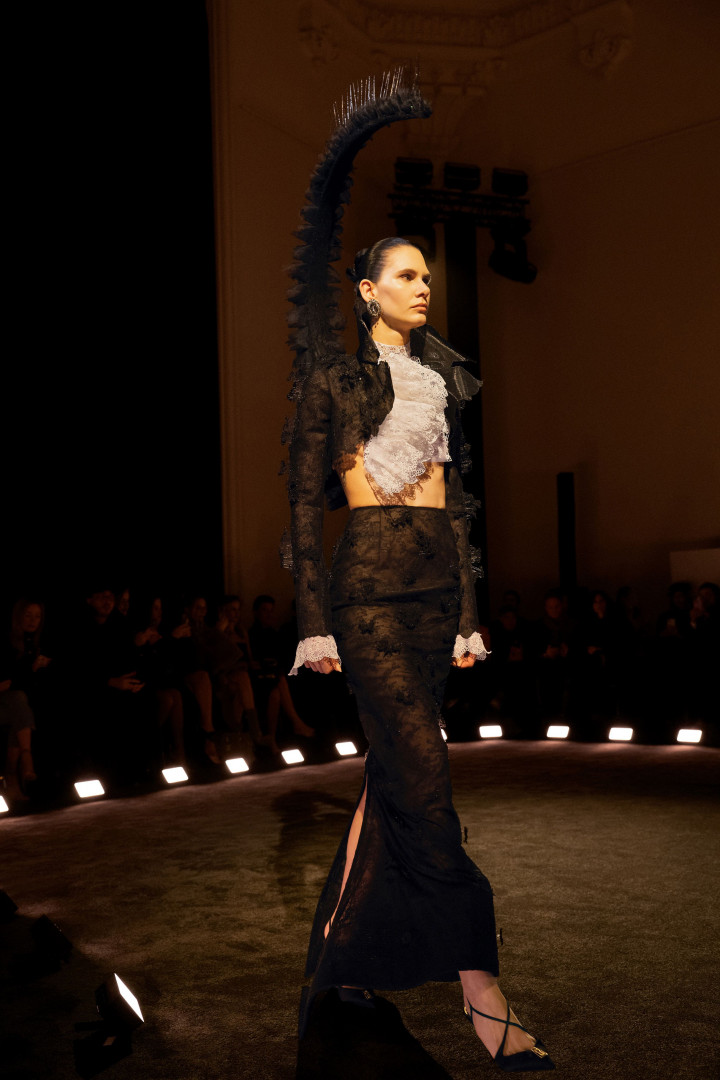
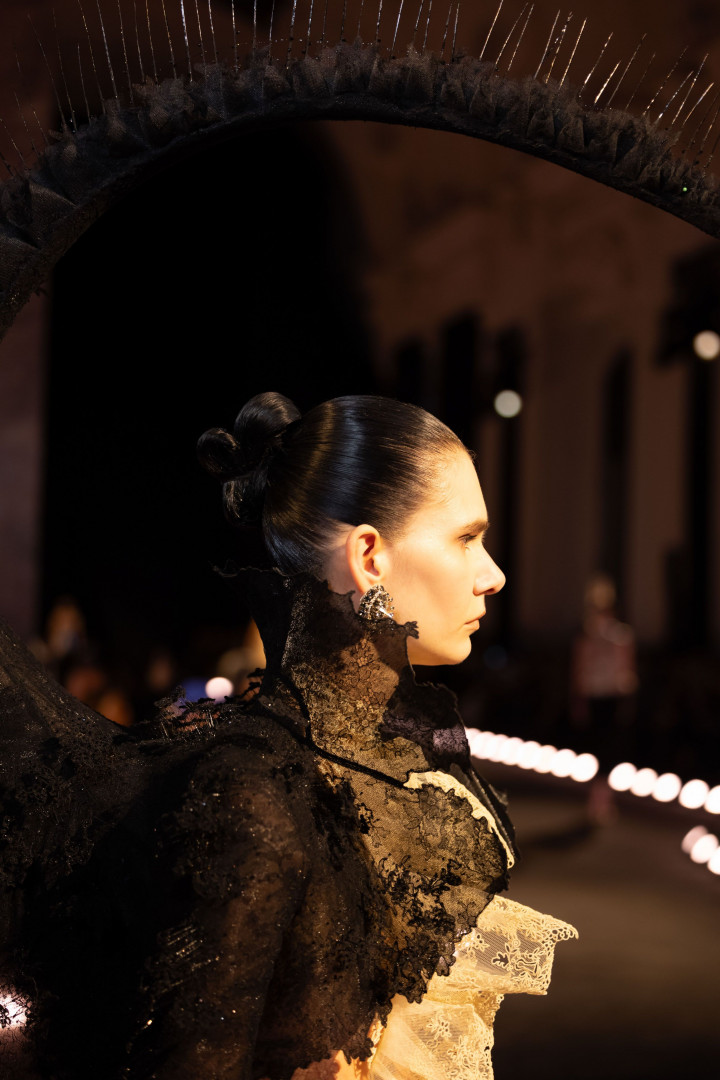
Courtesy of Schiaparelli
The surrealist codes historically associated with Schiaparelli remained present, though refined into something darker and more introspective. Measuring tapes transformed into jewellery-like armour, sculptural embellishments resembled sacred artefacts, and silhouettes evoked both celestial figures and wounded divinities. The collection existed in a liminal space between heaven and performance, between devotion and vanity.
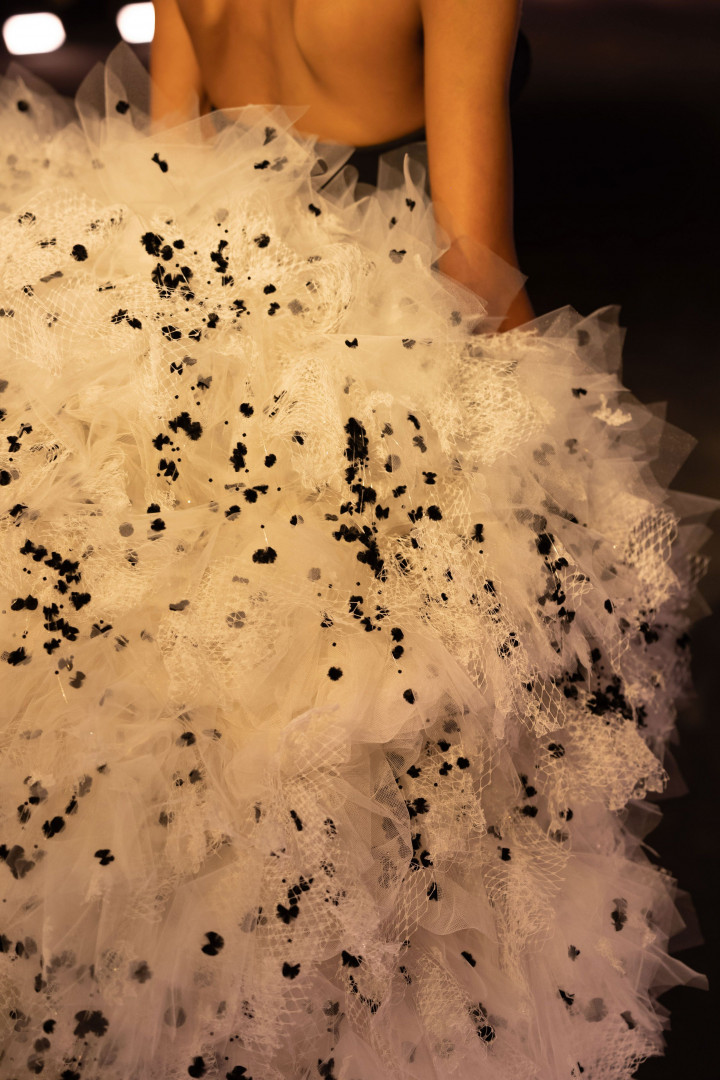
What made the presentation truly powerful, however, was not merely the craftsmanship — though technically extraordinary — but the atmosphere of controlled emotional intensity that surrounded every look. Nothing felt accidental. Every surface, proportion and texture appeared charged with symbolic weight.
In many ways, The Agony and the Ecstasy explored the eternal couture obsession: the desire to transcend human limitation through image. To become larger than flesh. To transform pain into spectacle, and spectacle into immortality.
And perhaps that is where the collection revealed its deepest truth. Couture, at its highest level, has never been solely about clothing. It is about constructing mythology around the body itself.
With this collection, Schiaparelli did not simply present garments. It presented exaltation, collapse, fantasy and control woven together into a singular visual theology — one where beauty exists precisely because it remains slightly unbearable.
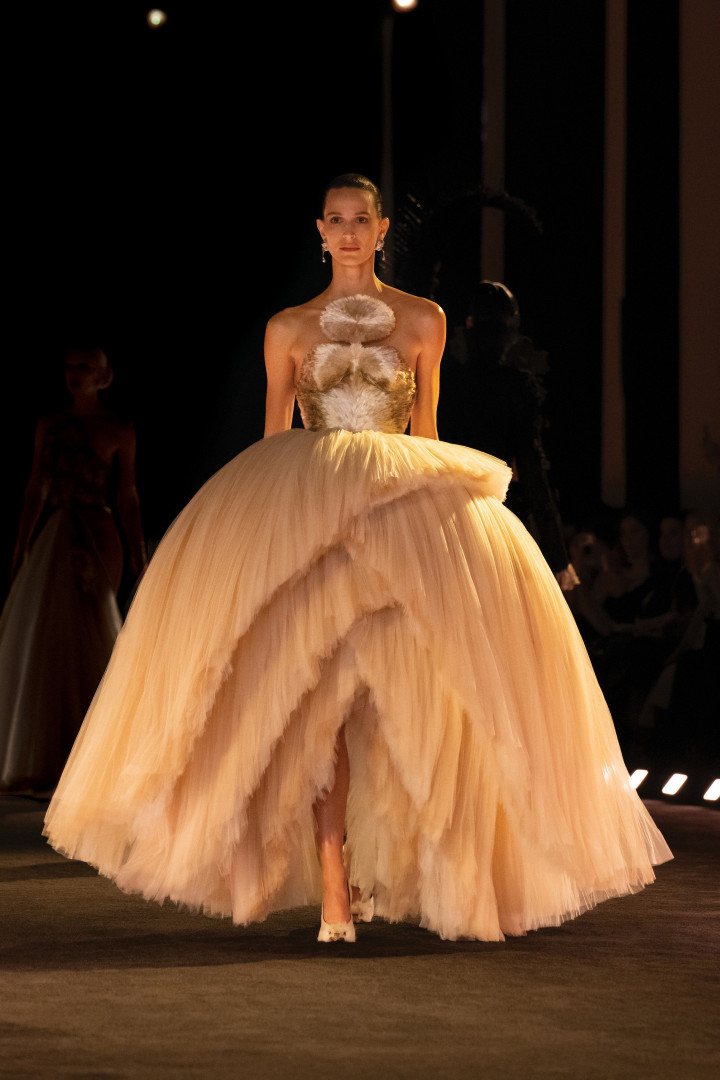
Courtesy Schiaparelli
Courtesy of Schiaparelli