When Fashion Becomes an Exhibition: Daniel Roseberry's Museum Vision
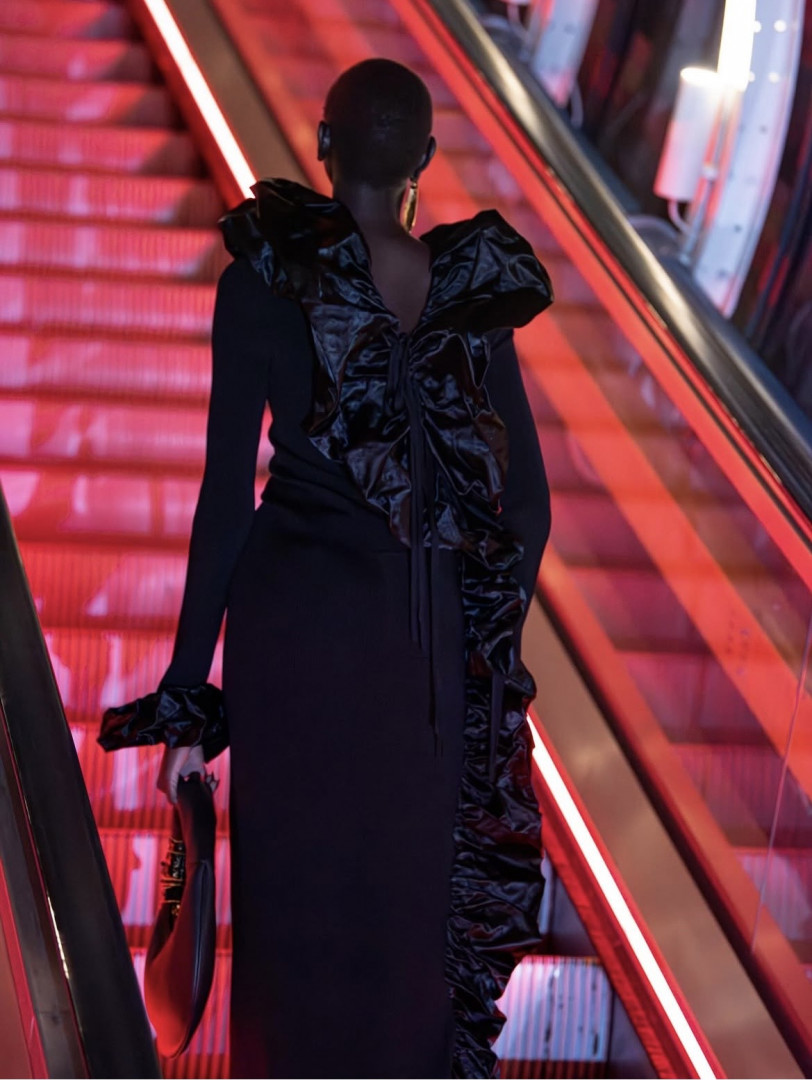
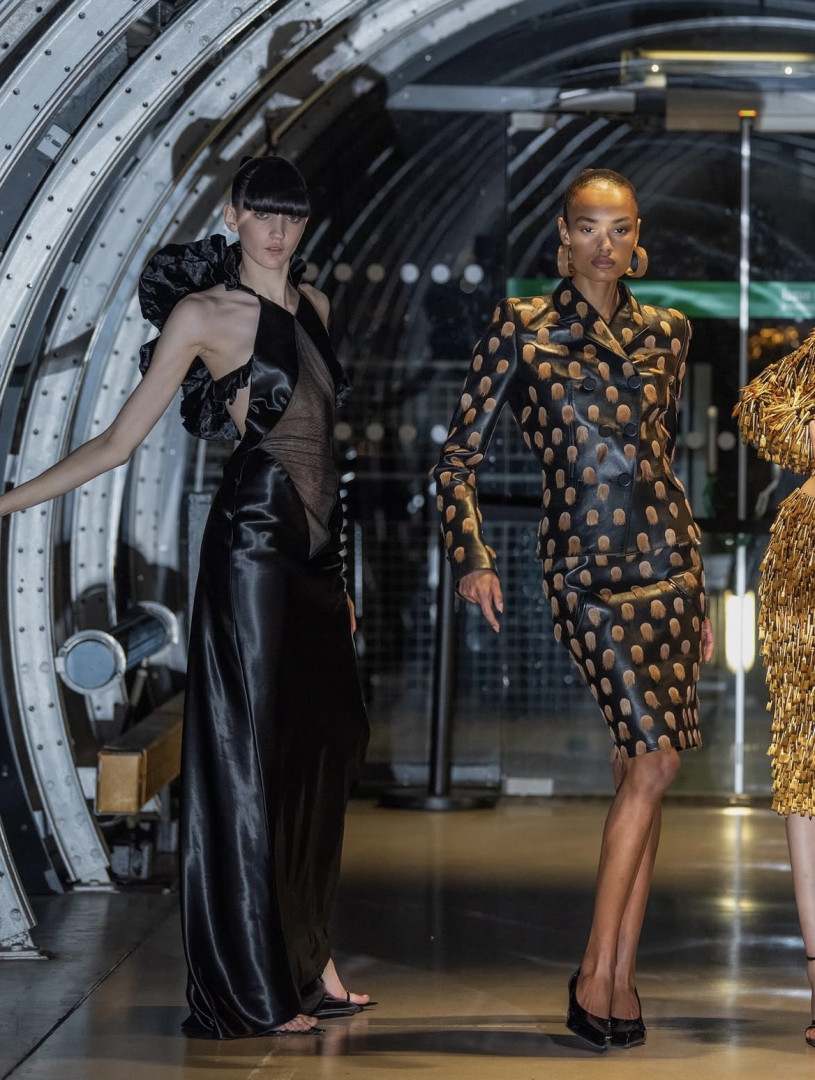
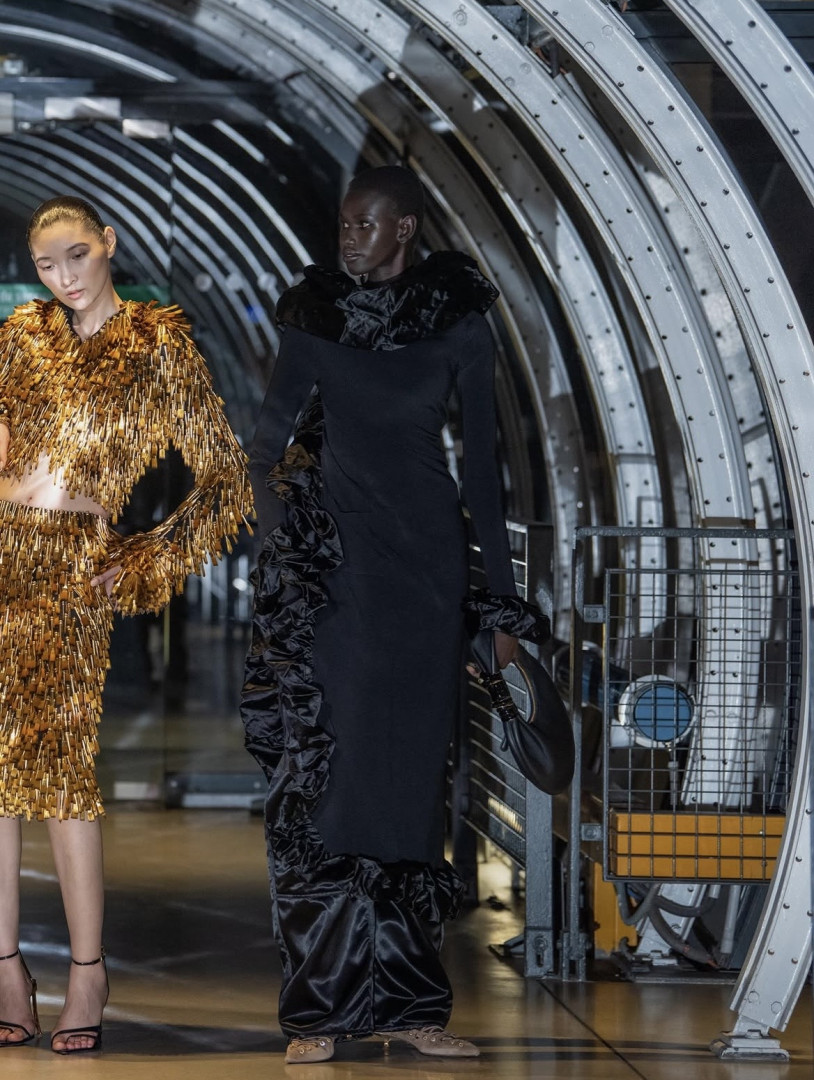
Schiaparelli Spring/Summer 2026
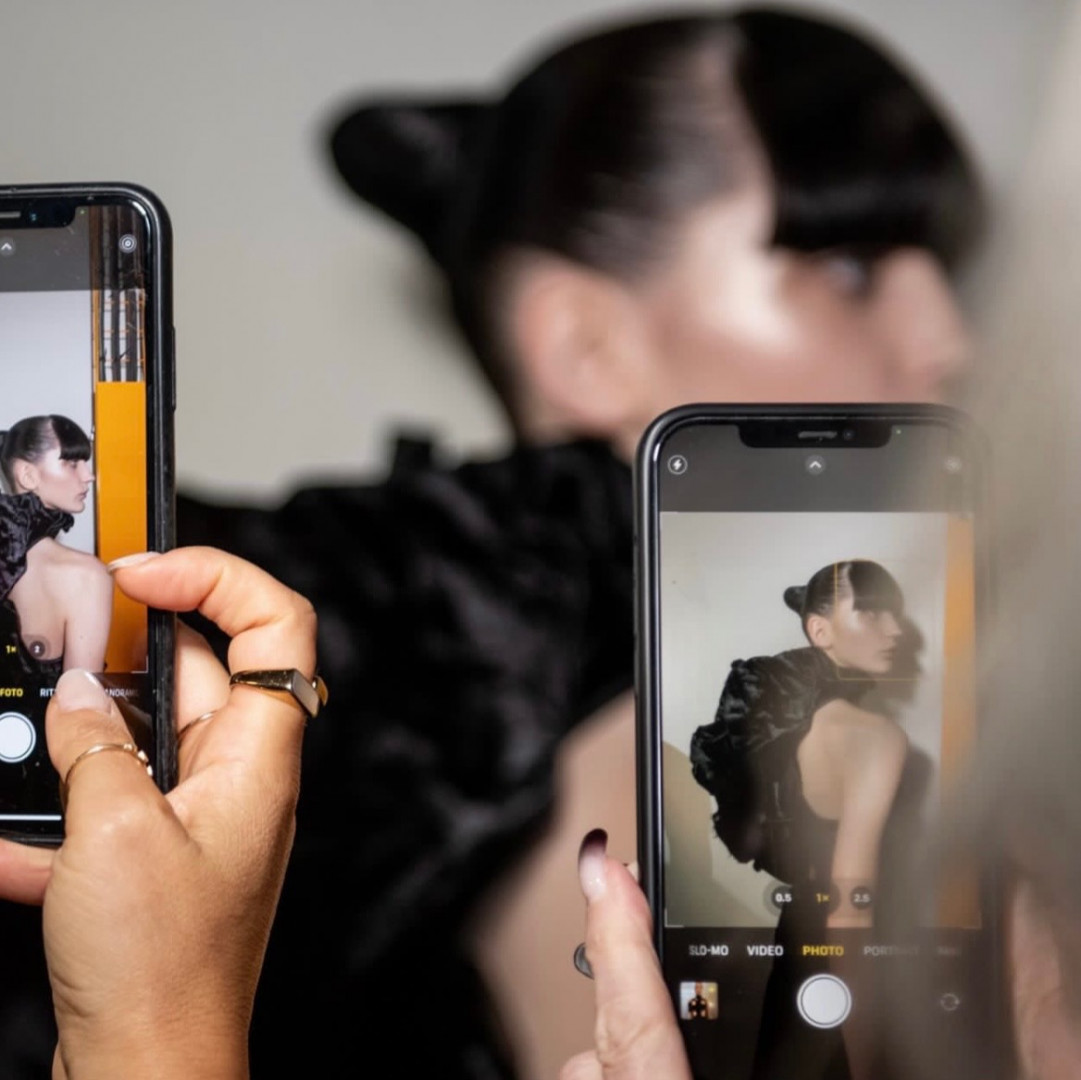
For most people, a fashion show lasts only a few minutes, a collection appears, images circulate across social media within seconds, and attention quickly moves towards the next spectacle. In an industry increasingly shaped by speed and constant visual consumption, the lifespan of a garment can often feel shorter than the time required to create it.
Yet for Daniel Roseberry, Creative Director of Schiaparelli, fashion should perhaps be experienced differently.
Photographed by Jeff Burton via Schiaparelli
Speaking about Schiaparelli's Spring/Summer 2026 ready-to-wear collection, Roseberry described the experience of attending a fashion show as something aspirationally closer to visiting a museum. The comparison may seem unexpected within an industry often associated with immediacy, yet it reveals much about the creative philosophy that continues to shape the modern identity of Schiaparelli.
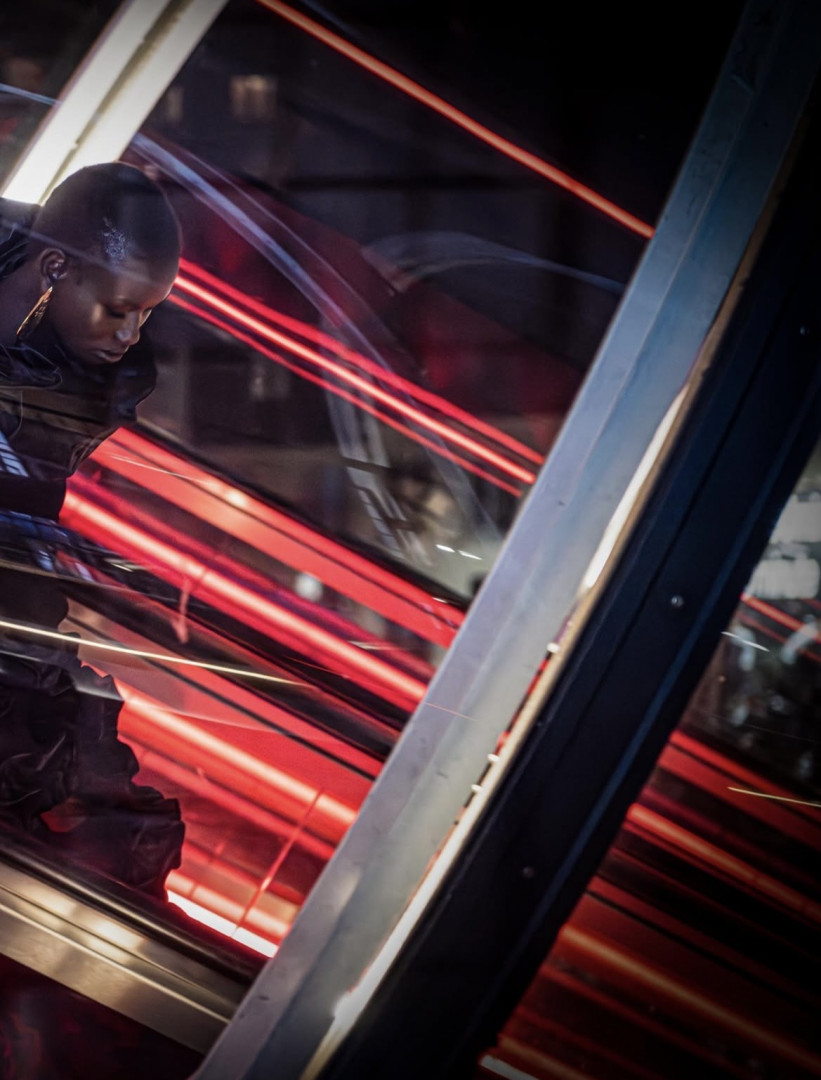
Museums invite a particular form of attention. They ask visitors to slow down. To observe details. To contemplate rather than consume. The value of an object is not measured by how quickly it can be understood, but by how much it continues to reveal over time.
This idea has long existed within the world of Schiaparelli. Founded by Elsa Schiaparelli, one of fashion's great surrealist visionaries, the house has always occupied a unique space between fashion, art and imagination. Rather than creating garments that simply respond to contemporary trends, Schiaparelli often produces pieces that function almost as wearable objects of fascination, rich in symbolism, craftsmanship and visual storytelling. Roseberry's vision continues this tradition.
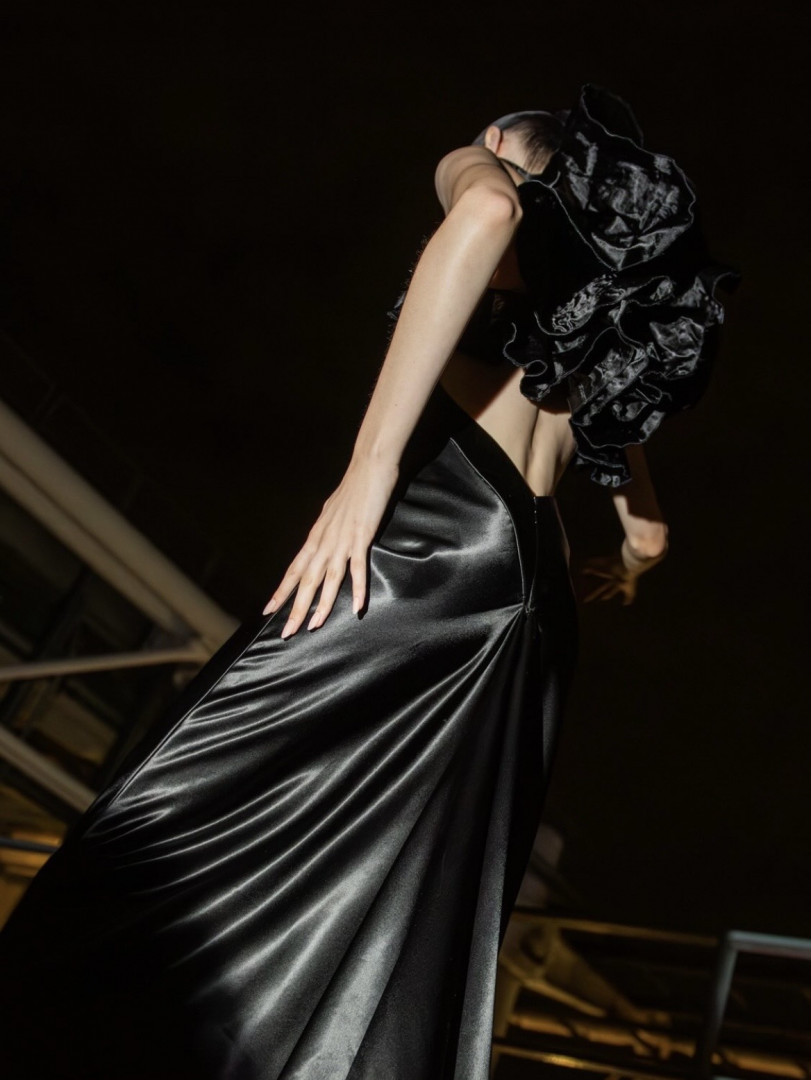
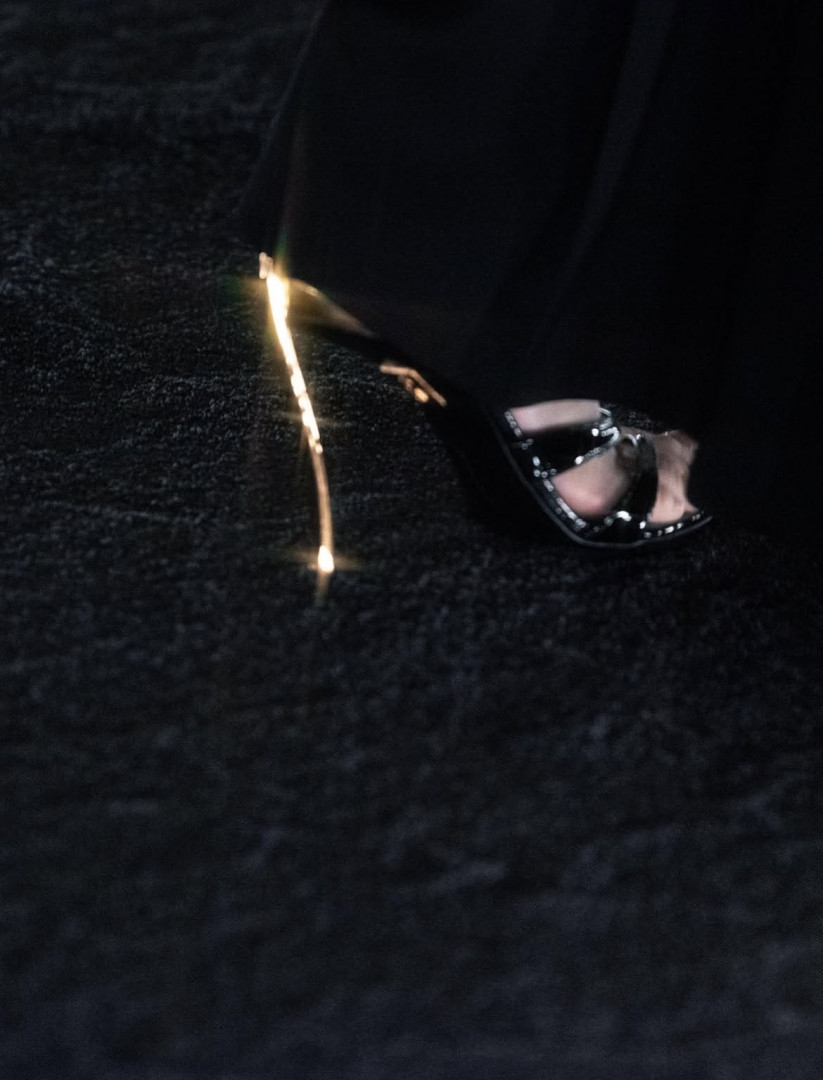
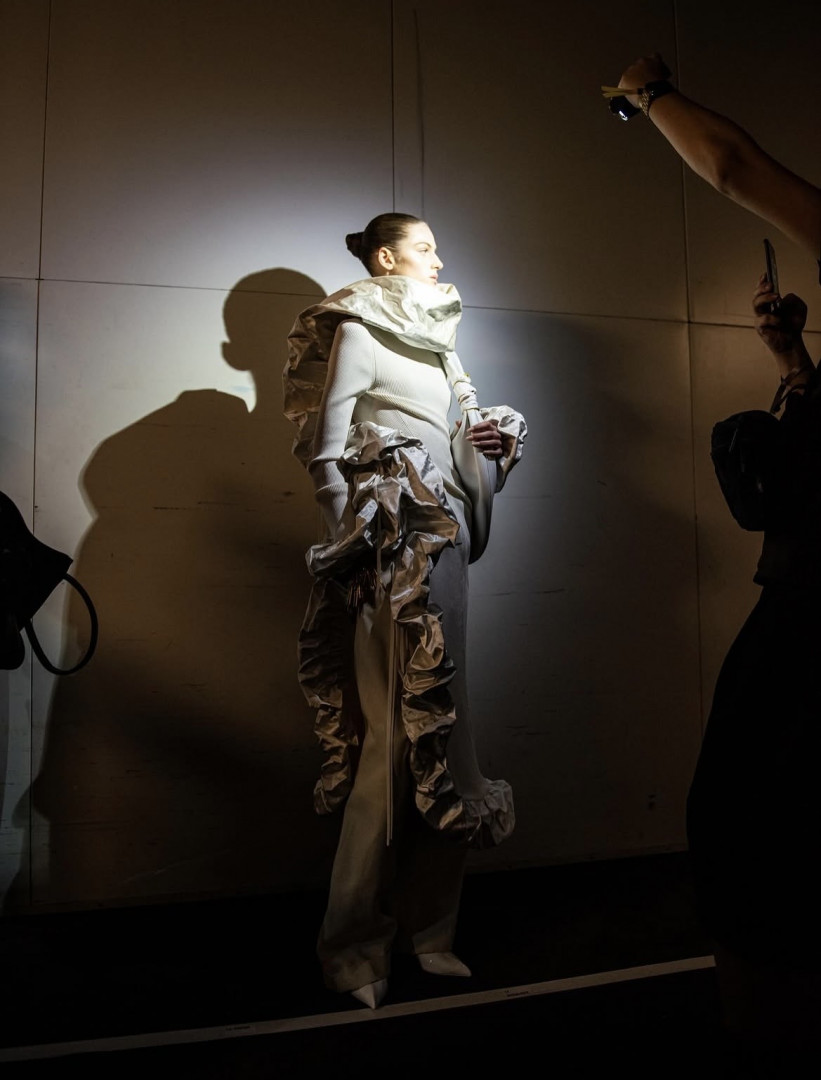
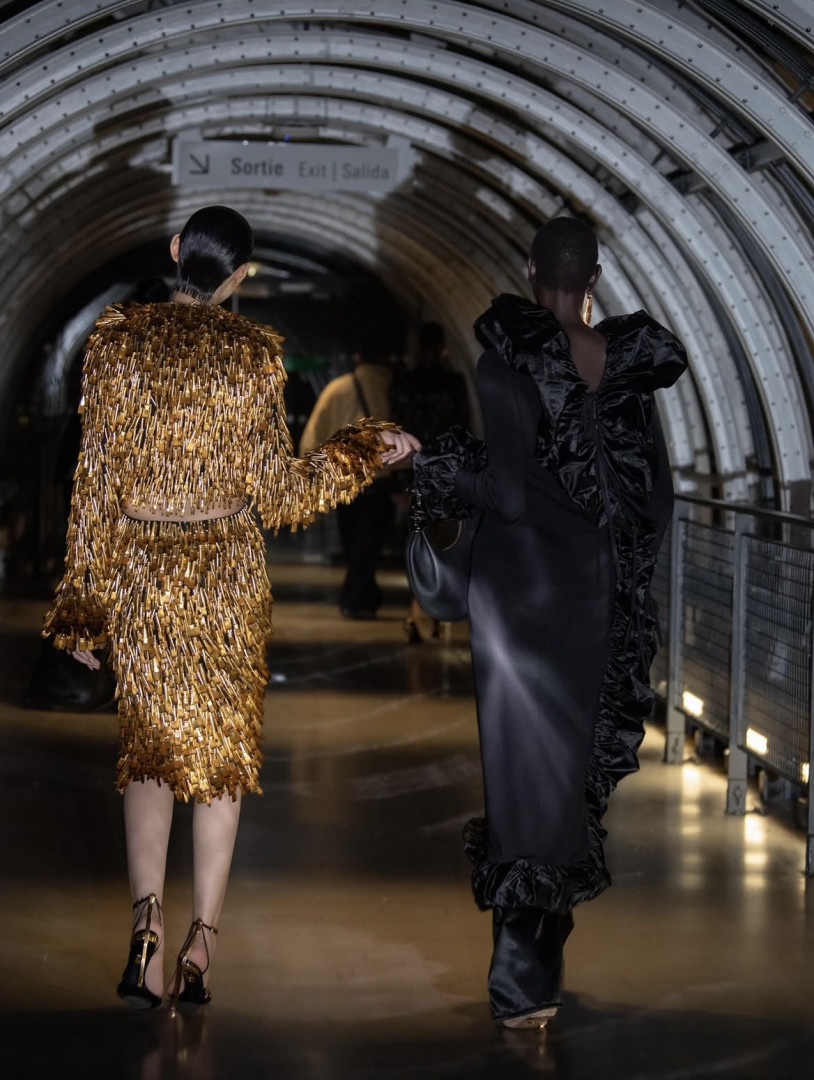
Photographed by Jeff Burton via Schiaparelli
The Spring/Summer 2026 collection was not presented merely as a sequence of seasonal looks, but as a carefully constructed visual universe. Silhouettes, proportions and details appeared designed to reward prolonged observation, encouraging viewers to look beyond first impressions and engage with the collection as a cultural and artistic statement.
In this sense, the museum comparison becomes particularly relevant. Art is rarely created to satisfy immediate expectations. Its purpose is often to provoke curiosity, reflection and emotional response. The same could be said of Schiaparelli's contemporary approach to fashion. Many of the house's most memorable creations resist instant explanation, inviting interpretation rather than providing simple answers.
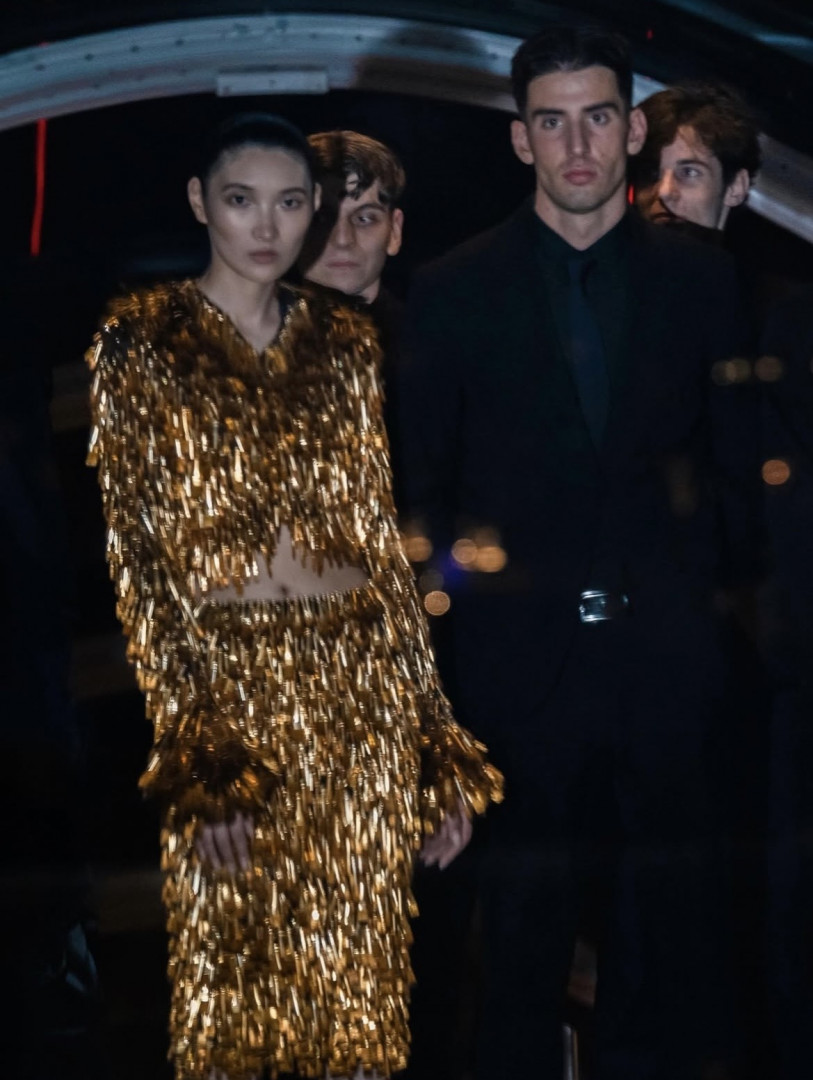
This stands in direct contrast to much of today's digital landscape, where images are consumed rapidly and often forgotten just as quickly.
By encouraging audiences to approach fashion with the patience normally reserved for art, Roseberry proposes an alternative rhythm — one where luxury is measured not by visibility alone, but by the depth of engagement it inspires.
The idea also reflects a broader cultural shift within contemporary luxury. Increasingly, the most influential fashion houses are moving beyond the production of clothing and towards the creation of experiences, narratives and intellectual worlds. Consumers are no longer seeking only products; they are seeking meaning, emotion and cultural relevance.Schiaparelli's Spring/Summer 2026 collection embodies this evolution.