Victoria’s Secret: When a Fantasy Becomes a Memory
A reflection on Victoria’s Secret and the fine line between reinvention and the loss of identity. Is the fantasy that defined a generation evolving with the times, or are we witnessing the birth of a new brand under a familiar name?
There was a time when Victoria’s Secret did not simply sell lingerie. It sold a fantasy.
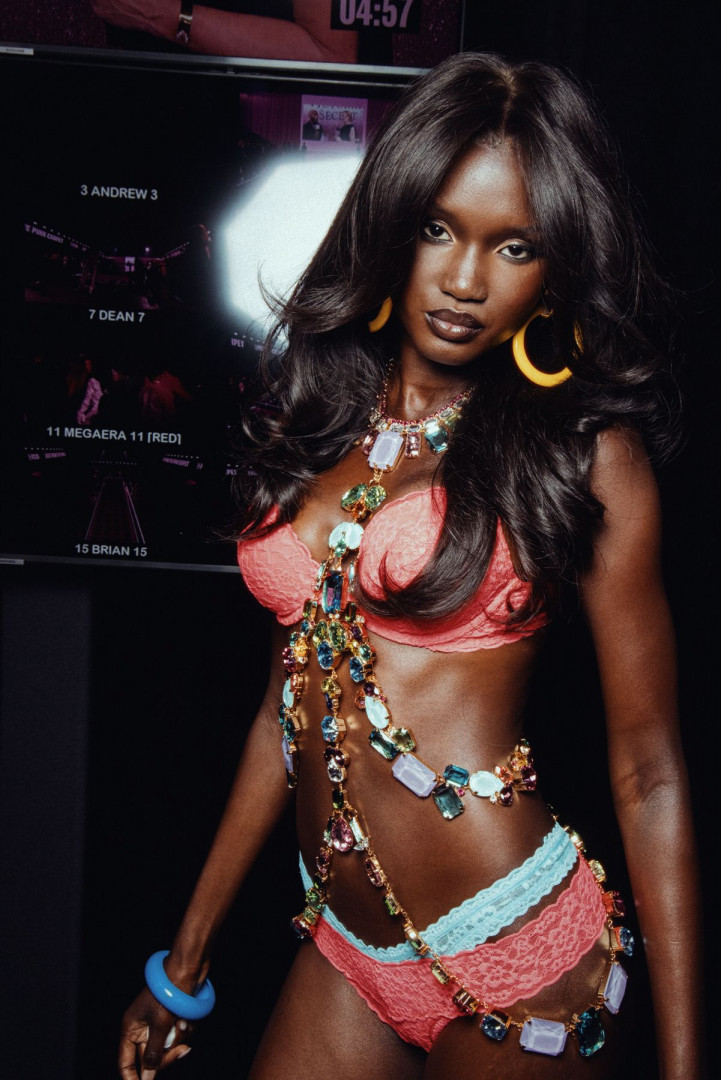
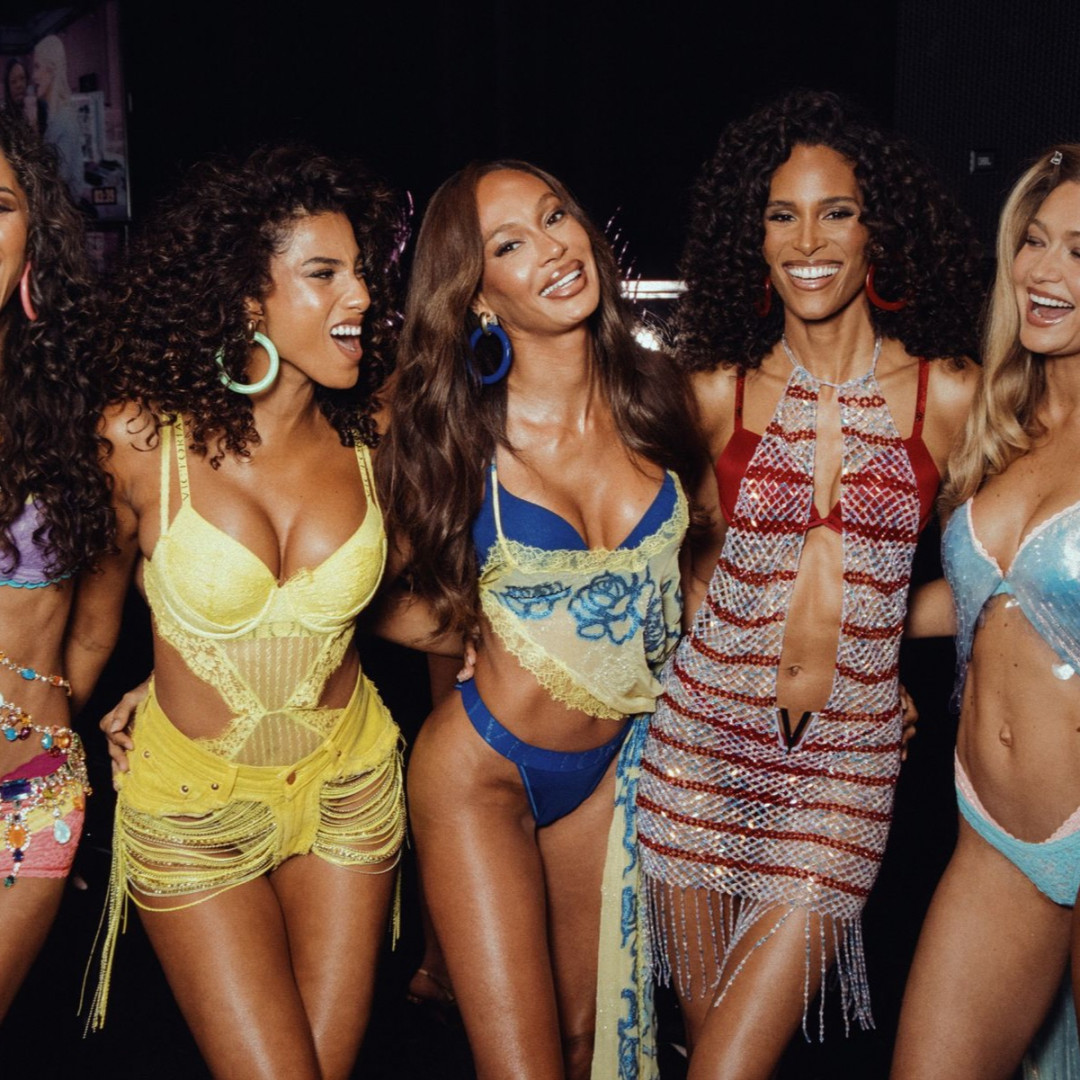
In the early 2000s, the brand built a universe that felt almost detached from reality: theatrical, unapologetically glamorous and deliberately excessive. Its fashion show was more than a presentation of products. It was a carefully constructed world, where femininity became spectacle and lingerie acquired the language of fashion mythology. It was not trying to reflect everyday life. It was offering an escape from it.
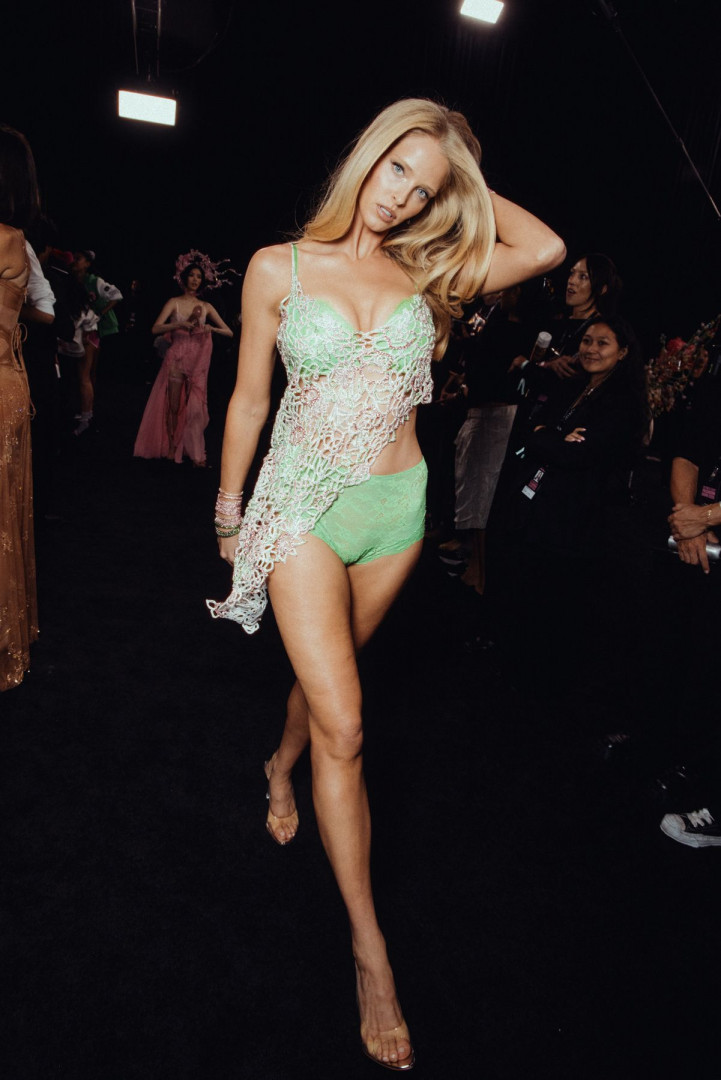
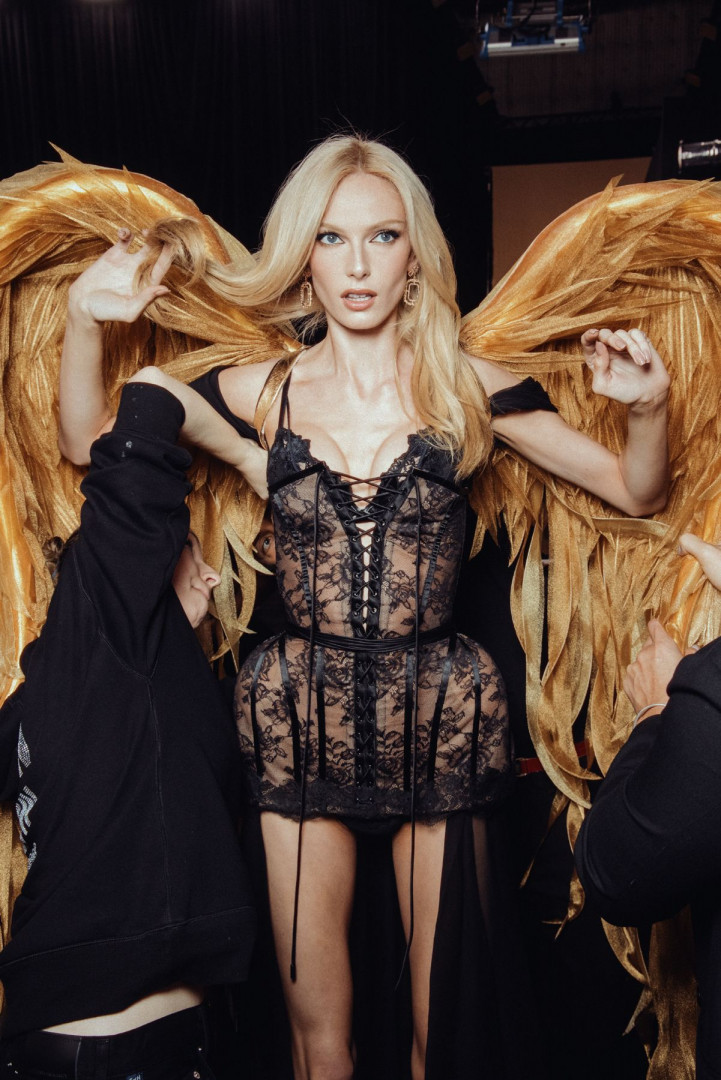
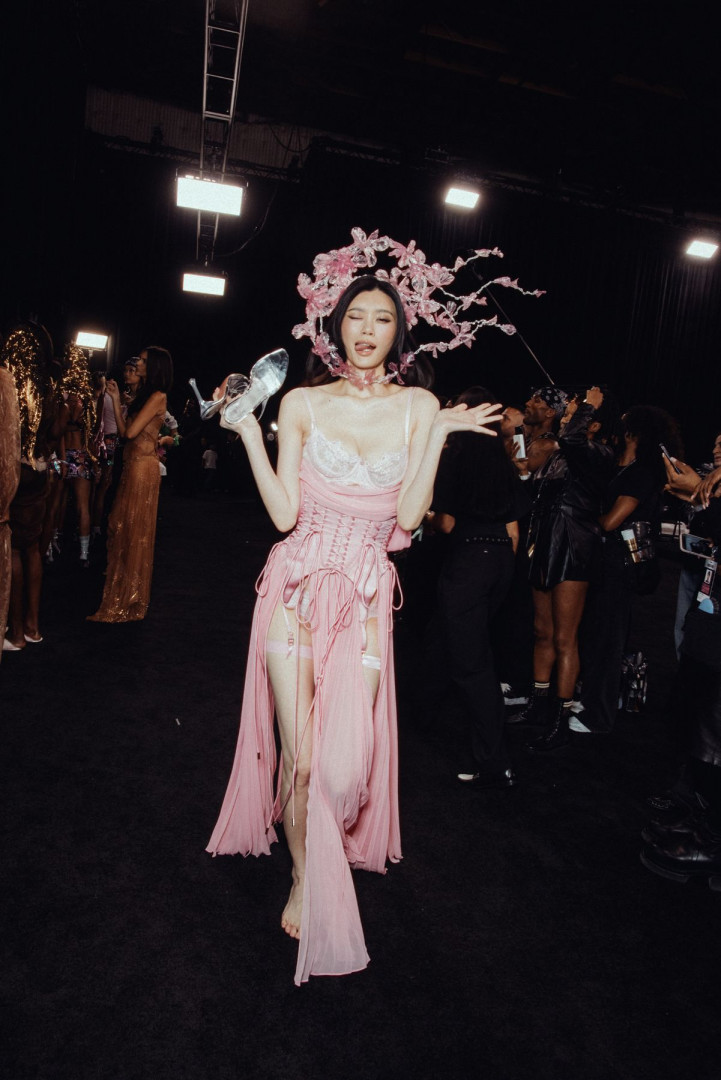
Photo Credits/ Corey Tenold
Perhaps that was the secret. Not the wings, the glitter or even the spectacle itself, but the conviction behind it. Victoria’s Secret knew what it wanted to be, and it committed to that vision so completely that the show became a cultural event in its own right.
Then the cultural landscape shifted. The ideals that had once sustained the brand came under scrutiny, and the fantasy began to feel increasingly out of step with the world around it. The 2010s marked a turning point, as the familiar formula lost some of its cultural authority and the brand faced growing questions about the image of femininity it had spent years cultivating.

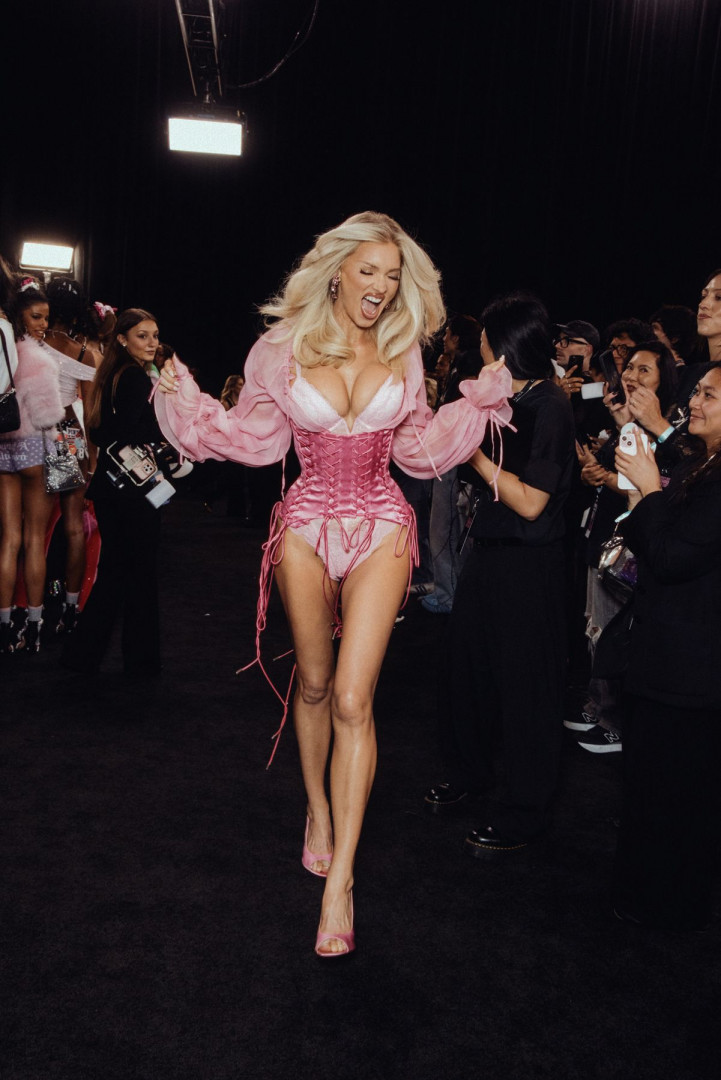
Change was inevitable. Perhaps it was necessary. Fashion cannot remain suspended in the cultural moment that first made it successful, and nostalgia alone is hardly a strategy for survival. Yet reinvention carries its own risk: in trying to become relevant to everyone, a brand can gradually lose the very qualities that made it recognisable.
The Victoria’s Secret Fashion Show of 18 October 2026 invites us to consider precisely this tension. The question is not whether the brand should evolve, but what, exactly, it is trying to preserve as it does so. Is the fantasy being reimagined for a different generation, or has the original fantasy reached the end of its life, leaving a new identity to emerge beneath a familiar name?
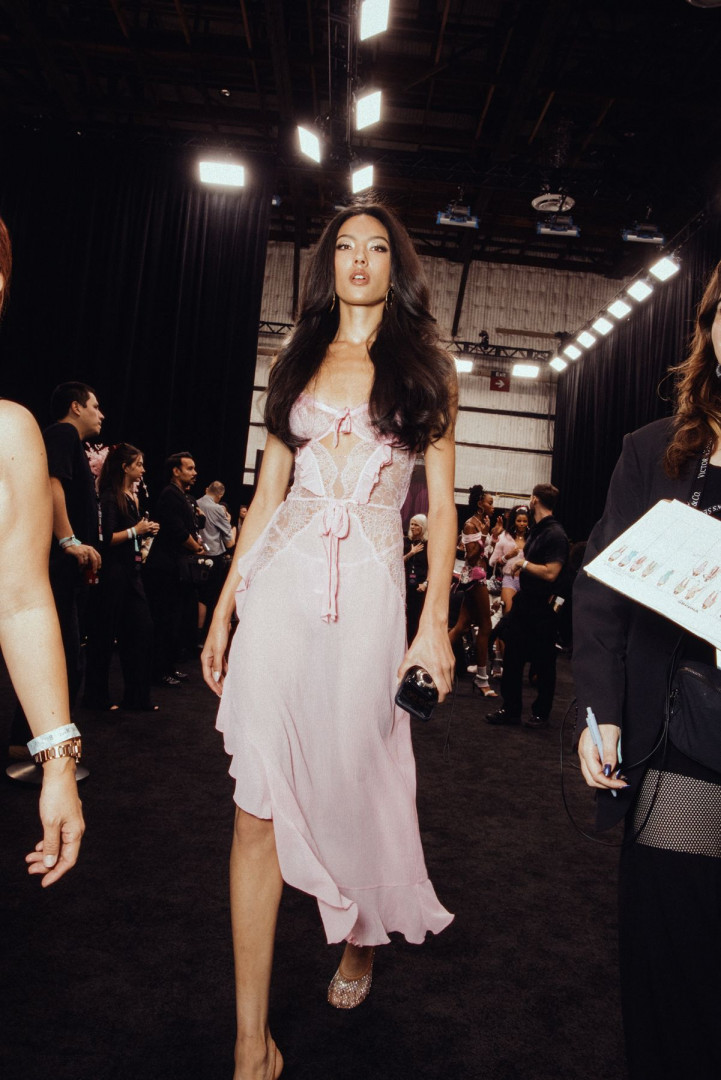

There is a difference between expanding an identity and replacing it. The first allows a brand to grow while retaining a recognisable point of view. The second may produce something entirely valid, perhaps even more attuned to its time, but asks the audience to form a new relationship with a name that carries old expectations.
Victoria’s Secret occupies an unusual position because its past is not merely an archive of successful campaigns. It is part of the brand’s identity. The memory of its earlier shows continues to shape how the present is perceived. Every return to the runway therefore carries two ambitions: to speak to the audience that exists today and to live up to the cultural imprint of the brand that came before.
But can a fantasy survive by changing its very foundations? Or does it become something else when the values, imagery and aspirations that once defined it are reconsidered?
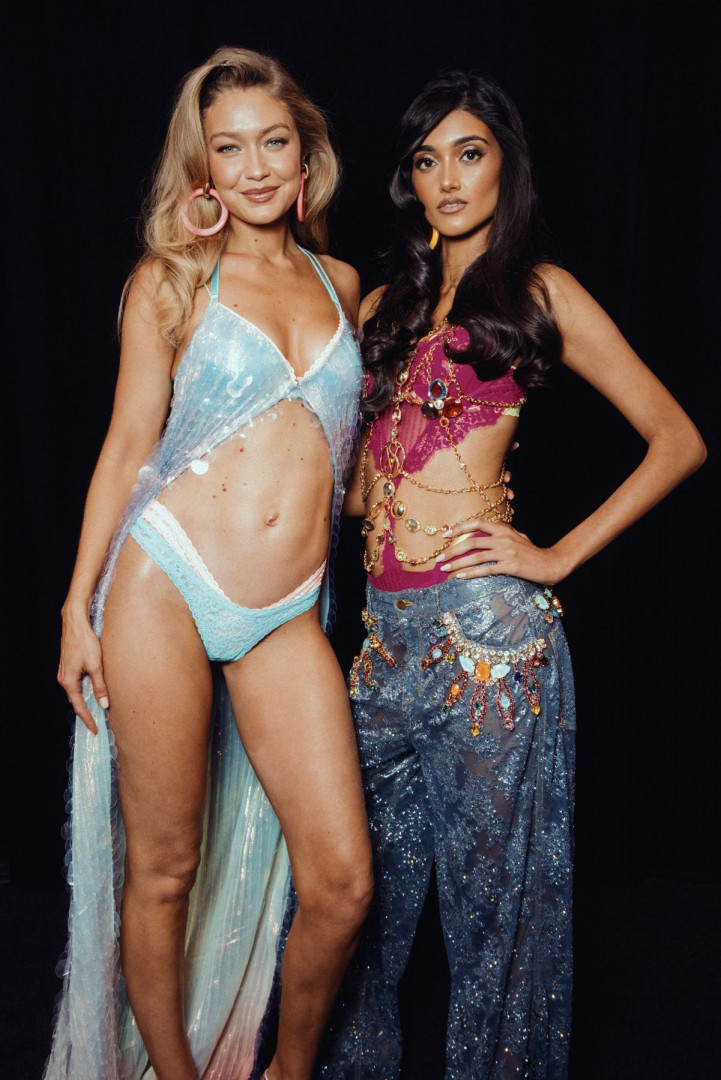


There is no need to argue that the past was better. The original vision had its limitations, just as the present has its own contradictions. What once felt aspirational may no longer speak to every woman, and what feels more inclusive today does not automatically create the same sense of wonder. Representation and fantasy are not mutually exclusive, but neither does one guarantee the other.
Perhaps this is the real challenge facing Victoria’s Secret: not simply to modernise its image, but to discover what makes its universe distinctive now. Because a brand can update its language, broaden its perspective and change its relationship with its audience without necessarily answering the deeper question of what it wants to represent.
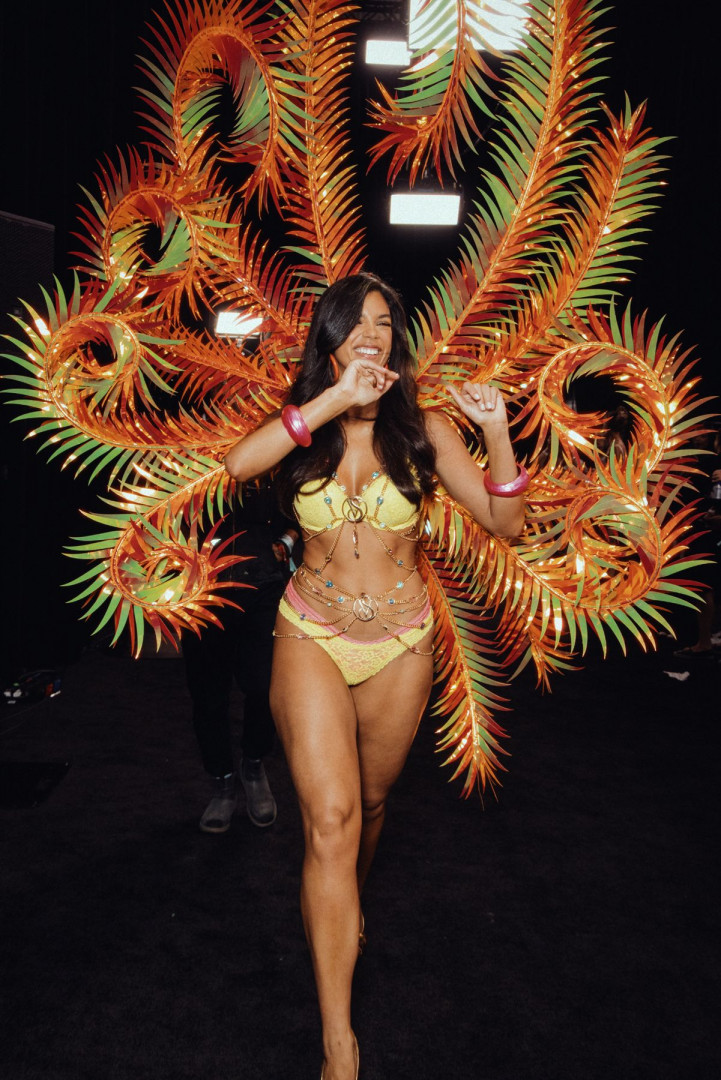
A name can survive almost any transformation. Its meaning is harder to preserve.
And perhaps the Victoria’s Secret we remember did not disappear in a single season, nor can it be restored simply by bringing the show back. Perhaps we are watching the emergence of an entirely new brand, one that inherited the name, the archive and the cultural memory of its predecessor, but must now create its own reason to exist.
If so, that is not necessarily a failure. Reinvention can be an act of creative courage. But it does invite a more interesting question than whether the wings still shine.
When a brand changes everything that once made it a fantasy, what remains: the fantasy itself, or simply its name?