The Legacy Of The 1990s: Fashion, Identity and the evolution of the modern model
A Conversation with Nair Cabral, a Rising Star in Contemporary Modelling
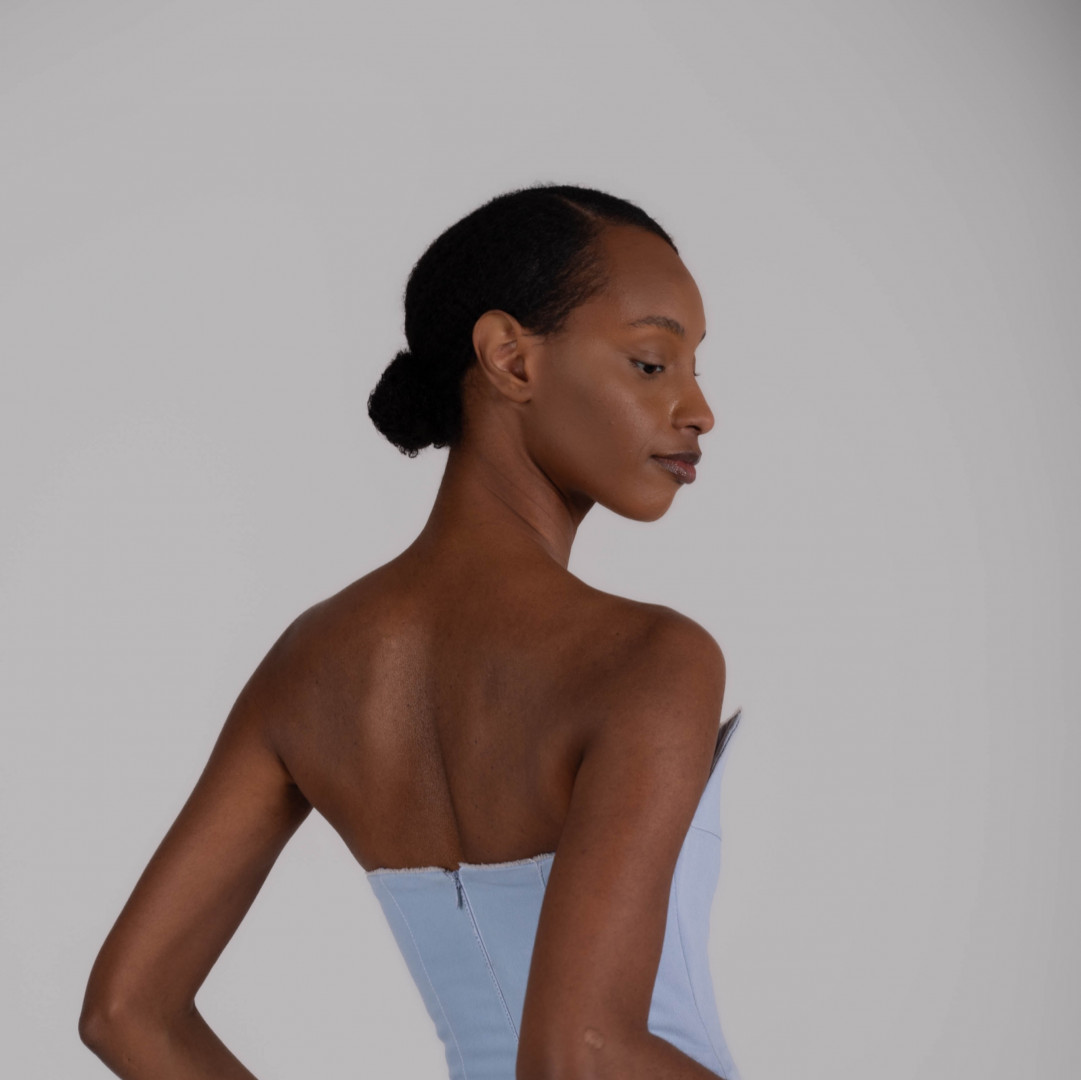
Dress: Khris K
Fashion rarely exists in isolation from memory. Every generation inherits visual references, cultural icons and ideals of beauty that continue to shape the way image, identity and self-expression are perceived.
For many aspiring models, the fascination with fashion begins long before entering the industry itself. It begins through observation — watching extraordinary women move across television screens, magazine covers and runways, absorbing not only their beauty but also their confidence, elegance and presence.
Today, as a rising figure within the fashion world, Nair Cabral belongs to a generation navigating a fashion landscape profoundly different from that of the legendary supermodels of the 1990s. Yet despite the transformations brought by digital culture, social media and new forms of visibility, many of the values that defined previous generations continue to resonate within contemporary modelling.
In this conversation with The Runway Source, Nair Cabral reflects on the relationship between past and present, the enduring legacy of the supermodel era, her earliest encounters with fashion and beauty, and her understanding of what it means to be a model in today's industry.
Through her perspective, we explore how influence, identity and aspiration continue to shape the evolving role of the modern model.
Fashion constantly moves between reinvention and nostalgia. When you compare the fashion landscape of the 1990s with that of today, how do you interpret the most significant differences between these two eras? What do you believe has changed most profoundly in the way image, identity and representation are constructed and perceived today?
NC: For each period of fashion, we can say that each one has its own personality, but we can also say that they complement one another. On one side, the 1990s were searching for the influence that we experience today, while contemporary fashion is often searching for the nostalgia that once belonged to that era.
Both contemporary fashion and 1990s fashion continue to have a significant impact because many trends are inspired by them. However, I would say that during the 1990s there was greater diversity than what we often see today. Each new piece felt like a genuine novelty. Today, I sometimes have the impression that everything is more temporary and fleeting.
The era of the supermodel transformed fashion models into cultural icons whose influence extended far beyond the runway. Looking back at figures such as Naomi Campbell, Cindy Crawford, Linda Evangelista and others, how do you perceive their legacy today, and in what ways do you think that generation continues to influence the concept of the contemporary model?
NC: The models of the 1990s will never be forgotten. Their impact remains extremely present within this generation, and I am certain that it will continue to influence future generations as well.
Today, there is not a single model who has not, in some way, been influenced by them. Whether they belonged to the famous group of top models or were recognised as supermodels in their own right, they will always be remembered, studied and admired.
They continue to serve as references and inspirations for many of us, and represent ideals that numerous models aspire to follow or become.
Many people discover fashion long before they fully understand it, often through cinema, television, magazines or cultural figures that leave a lasting impression. Was there a particular moment during your childhood or adolescence when you first became aware of the world of fashion or the idea of becoming a model? How did that early discovery influence your relationship with beauty, image and self-expression?
NC: This discovery allowed me to see the unique beauty of every model and actress who appeared on my screen.
Whenever I watched those extraordinary women on television, I was fascinated. It was not only their beauty that captured my attention, but also the delicacy of every movement: the way they spoke, the way they posed for photographs, the way they walked, their calm manner of speaking combined with a strong personality, their minimalist makeup, delicate yet sensual clothing, posture and hairstyles.
None of these details could go unnoticed.
I believe that witnessing all of these elements had a profound influence on me and on the way I came to perceive beauty and elegance.
In contemporary fashion, the role of a model extends far beyond physical appearance or simply walking on a runway. Today, models often become storytellers, performers, cultural figures and interpreters of creative visions. For you personally, what does it mean to be a model in today's fashion industry? Do you see modelling as performance, narrative, identity, or something even broader?
NC: For me, being a model today means knowing how to demonstrate both the savoir-être and the savoir-faire of a model, showing what we have learned from the influences that shaped us while expressing it in a unique way and maintaining our own identity.
I see the role of a model as theatrical because we are often required to represent an event and respect and narrate a story through the theme chosen by the designer.
There is also an impact on identity because, while representing a specific concept or theme, we must still express our own personality through the clothing without overshadowing it. At the same time, we must demonstrate both our savoir-faire and our savoir-être.