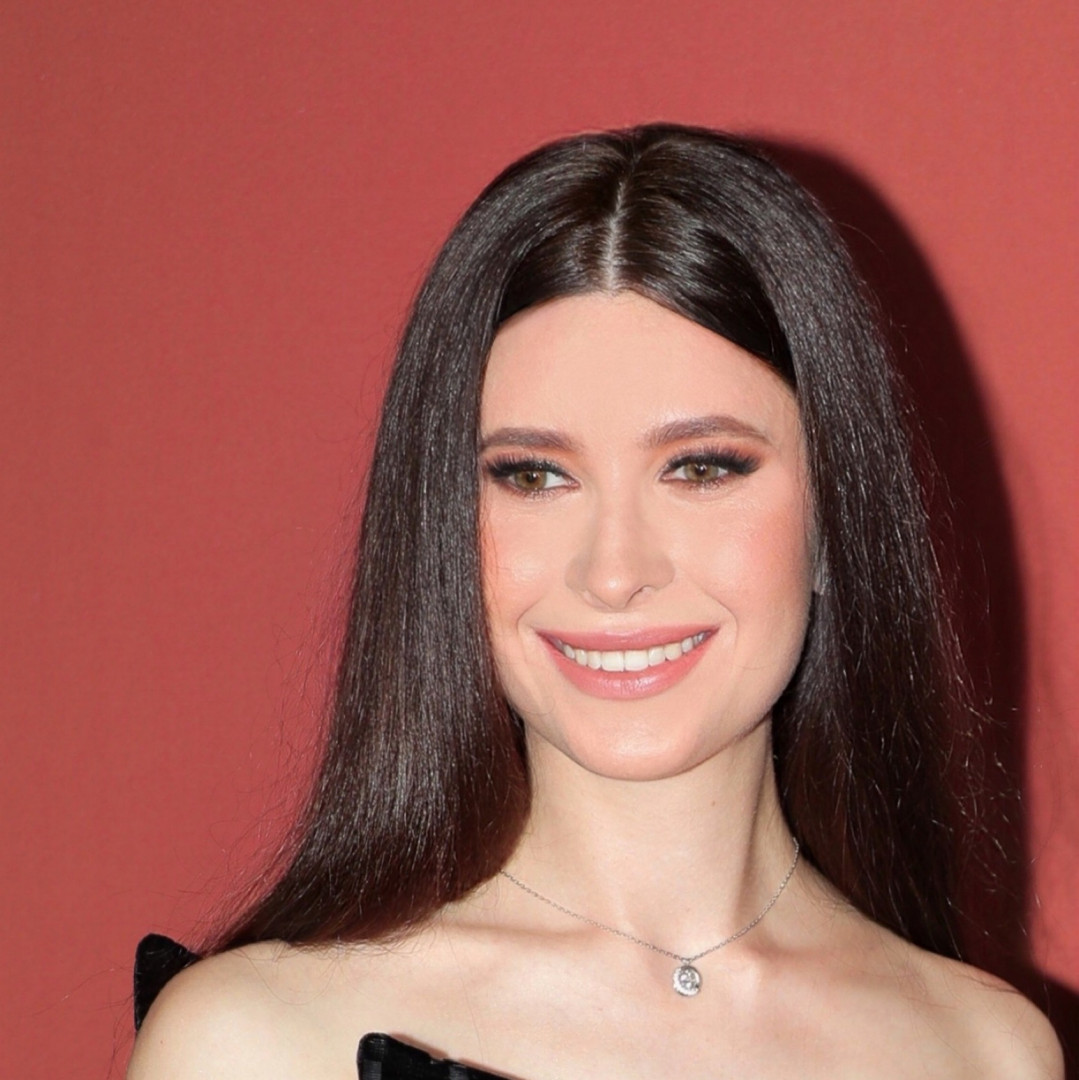
Khrystyna Kurliak – “When a garment continues to carry meaning years after it is created, it has fulfilled a responsibility that goes far beyond aesthetics.”
In an intimate conversation with The Runway Source, Khrystyna Kurliak reflects on responsibility, permanence and emotional longevity, exploring how intention, craftsmanship and time shape the philosophy behind Khris K.
Contemporary discourse on sustainability has expanded the visibility of responsibility within fashion, yet in doing so it has often risked flattening its internal complexity. What was once a structural condition of creation is increasingly framed as an external narrative layer.
Within Khris K, responsibility is not positioned as an applied ethical framework, but as an inherent logic of making. It precedes aesthetic resolution, shaping not only how objects are produced, but how they are conceived, sustained and understood over time.
For Khrystyna Kurliak, the act of creation is inseparable from its temporal and cultural consequences.
When detached from institutional definitions of sustainability, how does responsibility manifest itself within your personal creative logic at Khris K?
KK: For me, responsibility begins long before a garment is made. It starts with every creative decision I make - why I create it, how it is constructed, and what lasting value it can bring to the life of the woman who chooses to wear it. I have never been interested in producing more simply to follow the pace of the industry.
At Khris K, responsibility means creating pieces with intention and longevity. Whether it is a one-of-a-kind couture garment or a limited-edition collection, I want every design to carry lasting value rather than temporary attention. I believe true luxury is measured not only by craftsmanship, but by the respect a designer has for the process, the people behind it, and the woman who chooses to wear it.
To what extent do you experience creation as an extension of personal authorship, and to what extent does it function as an autonomous system once it assumes the identity of the brand?
KK: Every collection begins with my personal vision, but once it becomes part of Khris K, it starts a life beyond me. The brand is built on principles that remain constant, even as each collection explores a different story. My role is to establish that foundation, while allowing the identity of the house to grow naturally over time.
I have always believed that a luxury brand should be recognised by its philosophy rather than by repeating the same silhouettes. The collections may evolve, but the values behind them - authenticity, refinement, craftsmanship, and emotional depth - remain unchanged. That consistency allows Khris K to develop its own identity while still reflecting my creative voice.
Can responsibility be understood as something embedded in aesthetic decision-making itself, rather than as an external ethical layer applied after creation?
KK: From my experience responsibility is not something added after a collection is finished, it is part of every creative decision from the very beginning. I believe the most responsible design is one that remains meaningful over time. When a piece is created with intention rather than urgency, it naturally resists becoming disposable. That philosophy has always guided the way I build Khris K.
How does the notion of permanence inform your understanding of responsibility, particularly in relation to garments that are designed to exist beyond seasonal relevance?
KK: I have never designed collections with the expectation that they should lose their relevance after one season. Fashion moves quickly, but I believe true luxury exists outside that rhythm. For me, permanence is not about resisting change; it is about creating pieces that women choose to return to over many years. That is the kind of relationship I want every Khris K collection to build with the person who wears it.
How do you interpret the relationship between time and responsibility, particularly in processes where slowness becomes an intentional design methodology?
KK: Time certainly influences the creative process. There are moments when an idea needs space to develop naturally, and others when circumstances demand quick decisions and immediate action. Throughout my career, I have experienced both.
For me, responsibility is not measured by the speed of creation, but by the commitment to preserve the same standards regardless of the circumstances. Whether I have two months or two weeks, my responsibility remains the same, to stay true to my philosophy and never compromise the quality of what I create.
To what extent does independent production alter your perception of accountability toward both object and audience?
KK: Being an independent designer has taught me that independent production has made me more accountable, not less. Being involved in every stage of the process means that every decision reflects my name, my values, and the identity of Khris K. There is no distance between the idea and its execution, and I see that as a privilege as much as a responsibility.
Can emotional longevity be considered a legitimate metric of responsible creation within contemporary luxury fashion?
KK: The emotional connection between a woman and a garment is one of the strongest indicators of responsible design. When that connection is genuine, a piece becomes more than clothing, it becomes part of her journey and something she chooses to return to over time.
I have always believed luxury is not defined by how often something is seen, but by how deeply it is valued. When a garment continues to carry meaning years after it is created, it has fulfilled a responsibility that goes far beyond aesthetics.
Ultimately, do you perceive Khris K as a reflection of your personal philosophy, or as a structured framework through which that philosophy is continuously transformed?
KK: Khris K began as a reflection of my personal philosophy. It has evolved into an independent creative language that continues to grow through every creation, every experience, and every woman who becomes part of its story.
While my values remain the foundation of the brand, I believe a fashion house should never stand still. It should evolve naturally while staying true to its identity. That balance between continuity and transformation is what defines Khris K today.