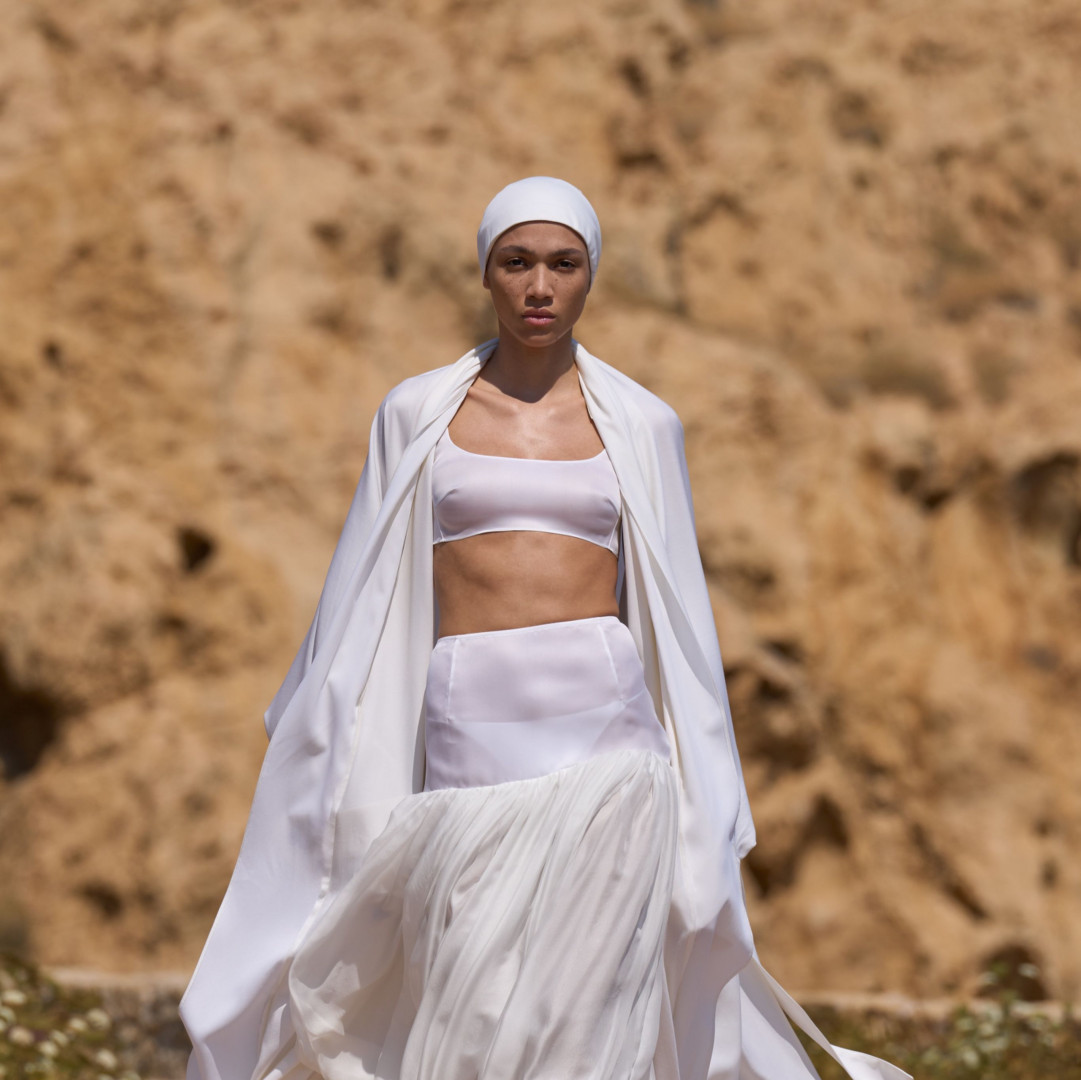
Jacquemus Spring/Summer 2027: The Philosophy of Le Bonheur
In Corsica, Simon Porte Jacquemus did not simply present a ready-to-wear collection. He constructed an emotional landscape where memory, place, and happiness became the true fabric of the runway.
There is a peculiar paradox about happiness. We rarely recognise it while we are living it. Only through distance, absence, and memory do we begin to understand that what once appeared ordinary was, in fact, extraordinary.
This is precisely where Simon Porte Jacquemus chooses to begin.
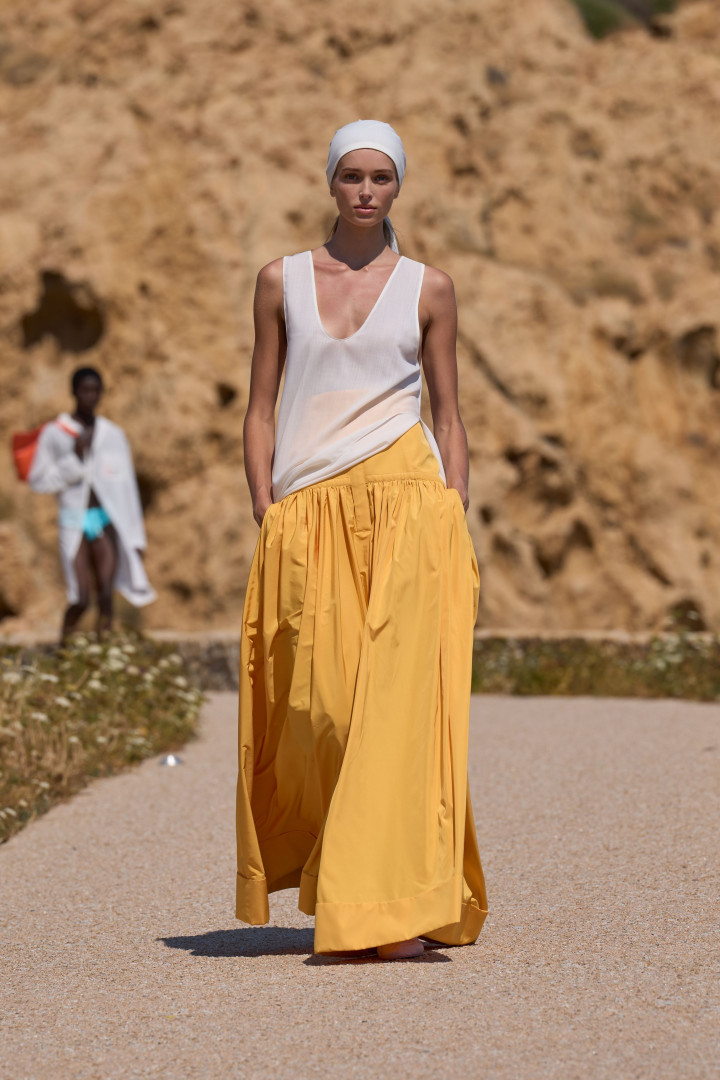
Courtesy of Jacquemus
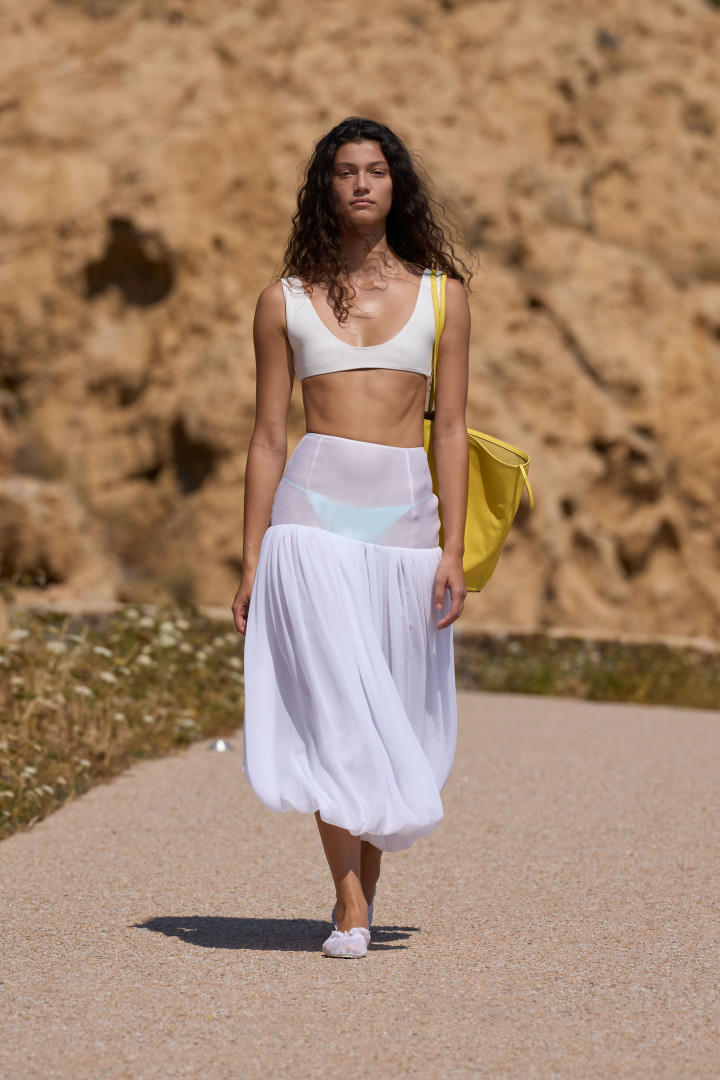
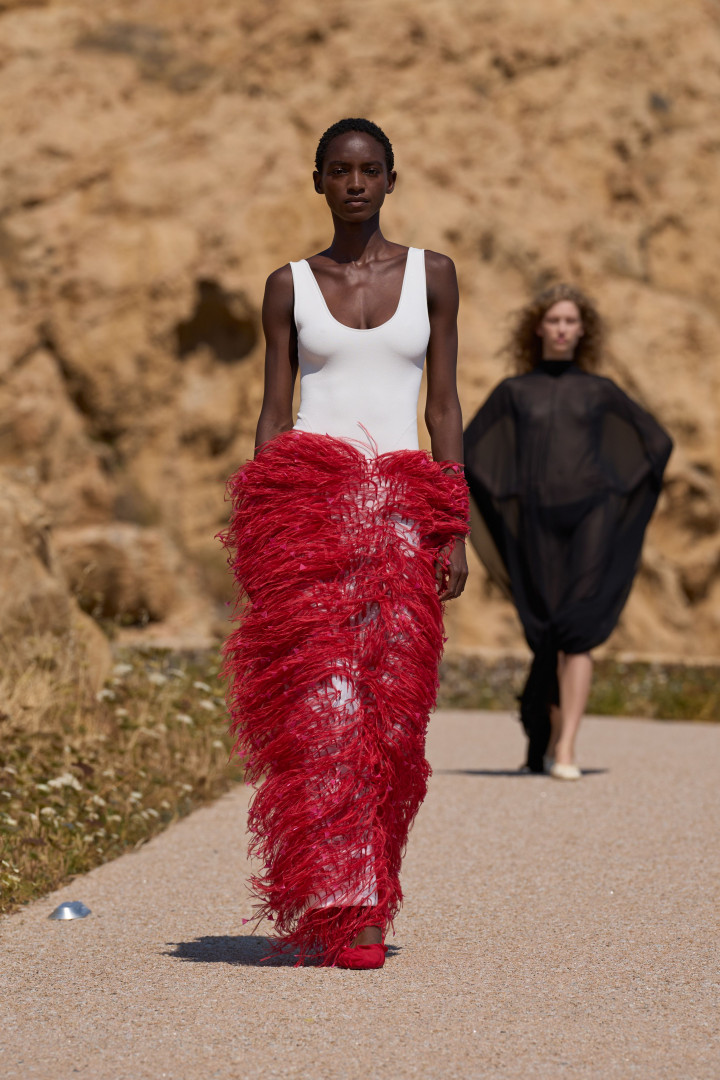
His Spring/Summer 2027 Ready-to-Wear collection, Le Bonheur, is not an attempt to define happiness. Instead, it proposes something far more profound: that happiness is perhaps the only human experience whose true value can only be understood in retrospect.
Presented against the rugged coastline of Corsica, beneath the quiet presence of the Phare de la Pietra, the collection unfolded less as a conventional fashion show and more as an exercise in emotional architecture. The Mediterranean was not employed as a picturesque backdrop, nor was the landscape intended to amplify spectacle. Instead, it became an extension of the collection's emotional vocabulary, transforming geography into memory and scenery into sentiment.
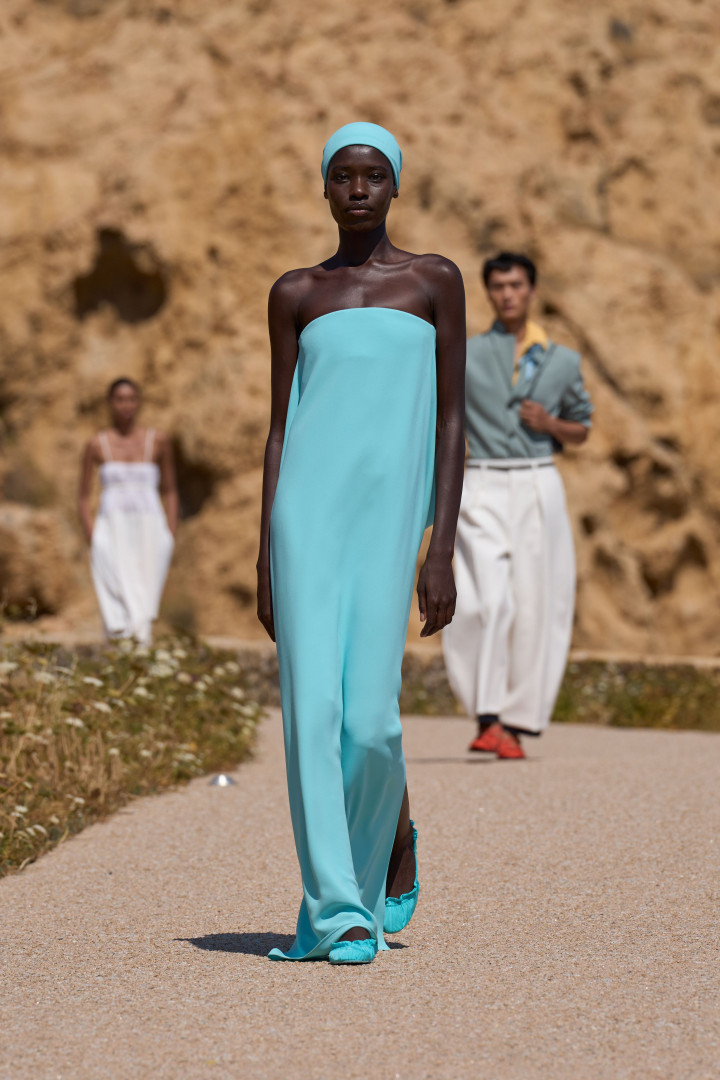
Fashion has long been fascinated with the future.
Every season promises innovation, novelty, and reinvention. Designers are expected to anticipate what comes next, constructing garments that belong to a tomorrow not yet lived.
Yet Le Bonheur quietly rejects that premise.Rather than imagining the future, Jacquemus turns towards remembrance. His garments do not aspire to become symbols of what we wish to be; they become fragments of what we once were.
This distinction fundamentally alters the experience of the collection.
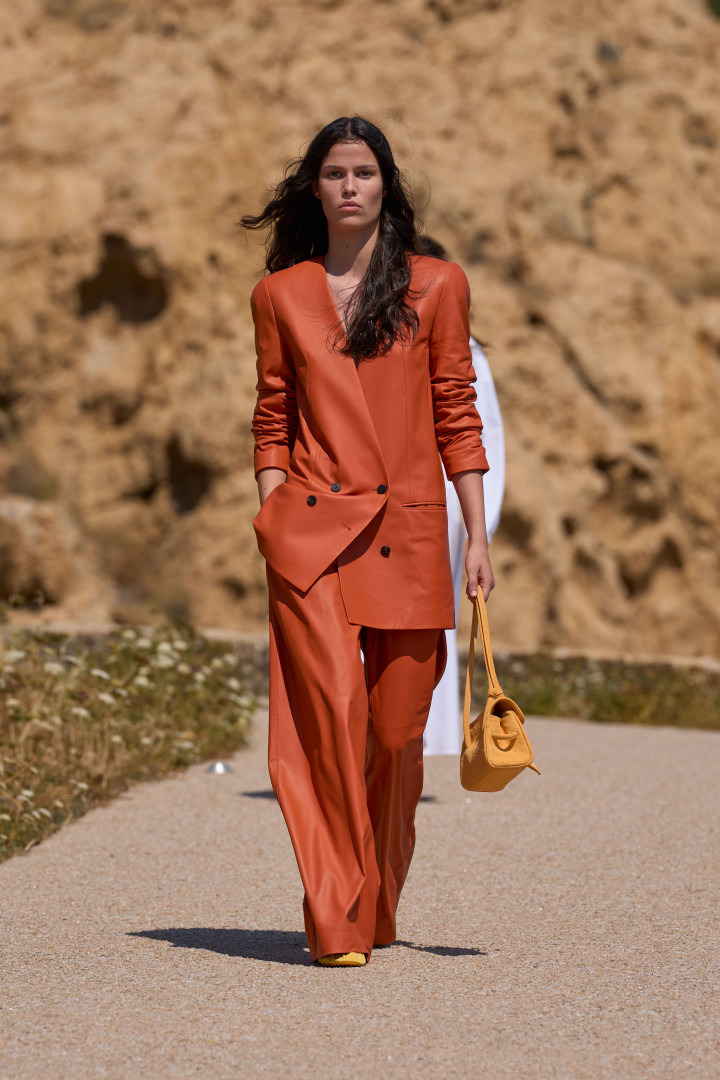
Courtesy of Jacquemus
The crisp white cottons, sculptural linens, transparent organzas and restrained tailoring never seek theatricality. Their purpose is not to overwhelm the eye but to awaken recognition. They evoke sensations rather than trends: the warmth of Mediterranean stone beneath bare feet, linen moving with the sea breeze, striped shirts drying under the summer sun, the silence that exists only where time seems suspended.
Luxury, within this framework, ceases to be measured solely by craftsmanship or rarity.
Instead, it becomes emotional recognition. Perhaps the most valuable garment is not the most technically complex, but the one capable of recovering a forgotten memory. A garment that does not simply dress the body, but reconnects its wearer with a place, a season, or a version of themselves that still quietly exists beneath the surface of adulthood.
This has always distinguished Simon Porte Jacquemus from many of his contemporaries.