Balenciaga Haute Couture Fall/Winter 2026–2027: Reconstructing the Soul of Couture
With his first Haute Couture collection for Balenciaga, Pierpaolo Piccioli does not simply introduce a new creative chapter. He invites the Maison to rediscover one of its oldest truths: that couture begins where humanity meets architecture.
Every creative succession raises the same inevitable question: can a house remain faithful to its identity while allowing itself to become something new? Fashion history is filled with designers who inherited extraordinary legacies, yet only a few understood that the true challenge was never to imitate the past, nor to erase it. The most meaningful transitions occur when heritage ceases to function as an archive and instead becomes a living language—one capable of evolving without forgetting where it came from. For Pierpaolo Piccioli, arriving at Balenciaga meant entering one of the most architecturally significant maisons in the history of fashion. Cristóbal Balenciaga was never simply a couturier.
x
He was an architect of volume, proportion and silence. His garments did not rely on embellishment to command attention; they possessed an internal structure so refined that the silhouette itself became their ornament. To inherit such a legacy is not merely to continue a brand. It is to enter into dialogue with one of couture's greatest philosophical minds.
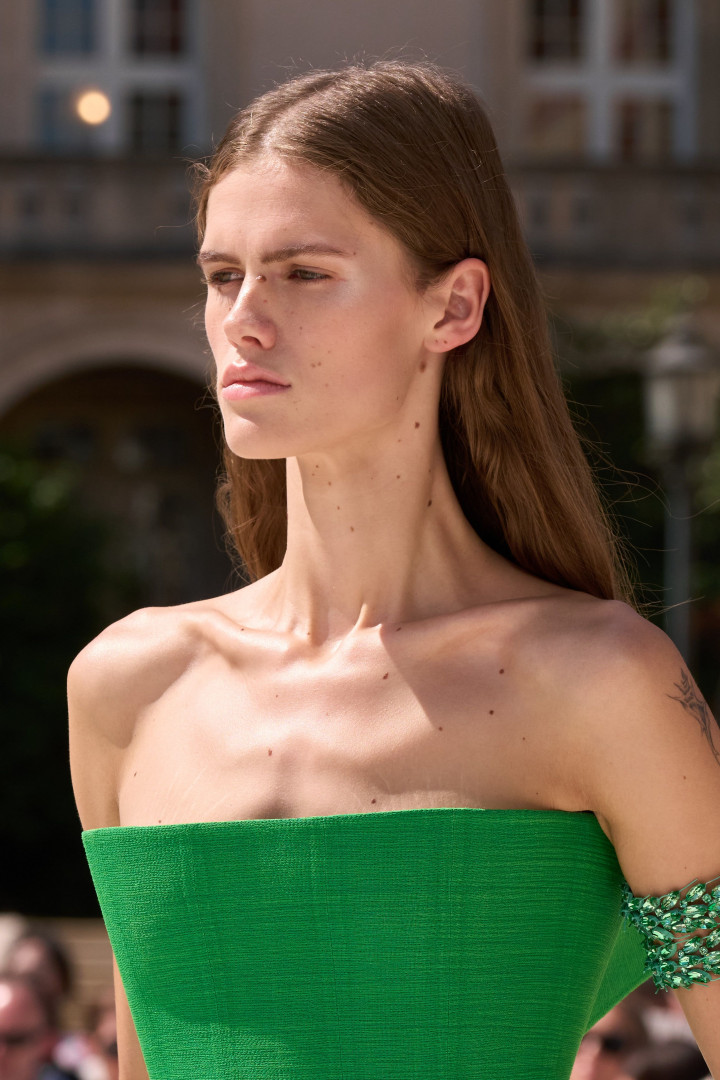
Balenciaga/editorial reproduction
Rather than approaching this responsibility through rupture, Piccioli chooses conversation. His debut Haute Couture collection does not reject the Maison's past, nor does it seek to overshadow the creative chapters that preceded it. Instead, it quietly proposes reconciliation. The collection acknowledges Balenciaga's sculptural rigor while allowing Piccioli's own emotional vocabulary to emerge with remarkable confidence. It is neither Cristóbal Balenciaga nor Valentino transplanted into a different address. It is something more complex: an attempt to understand whether structure and sensitivity can coexist without diminishing one another.
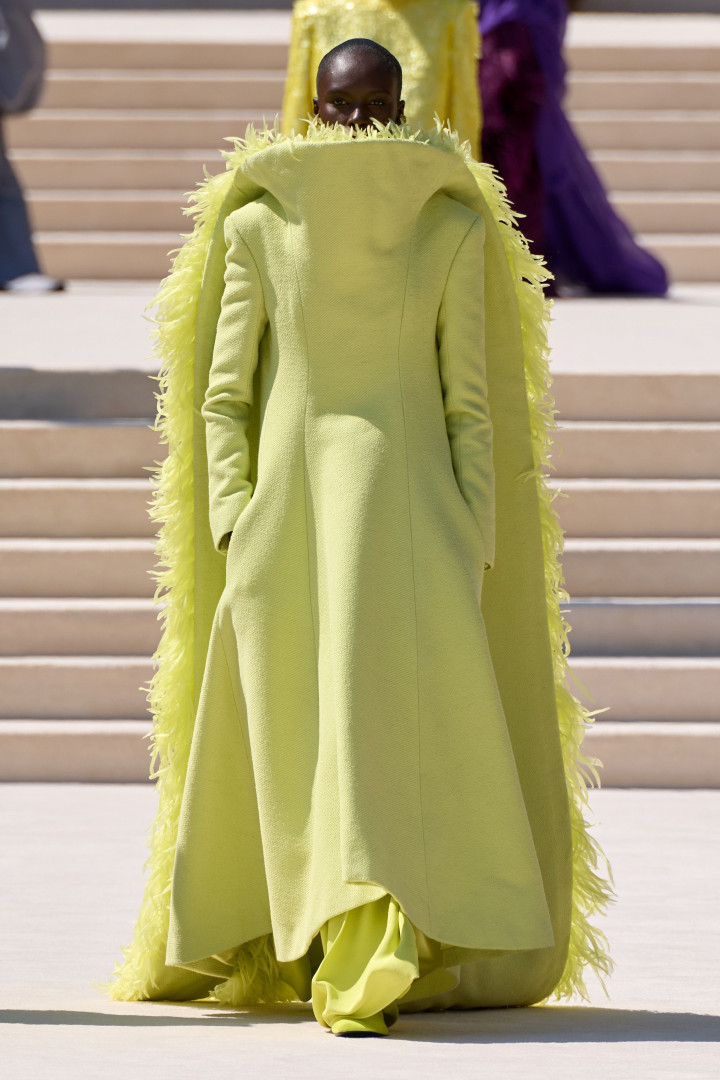
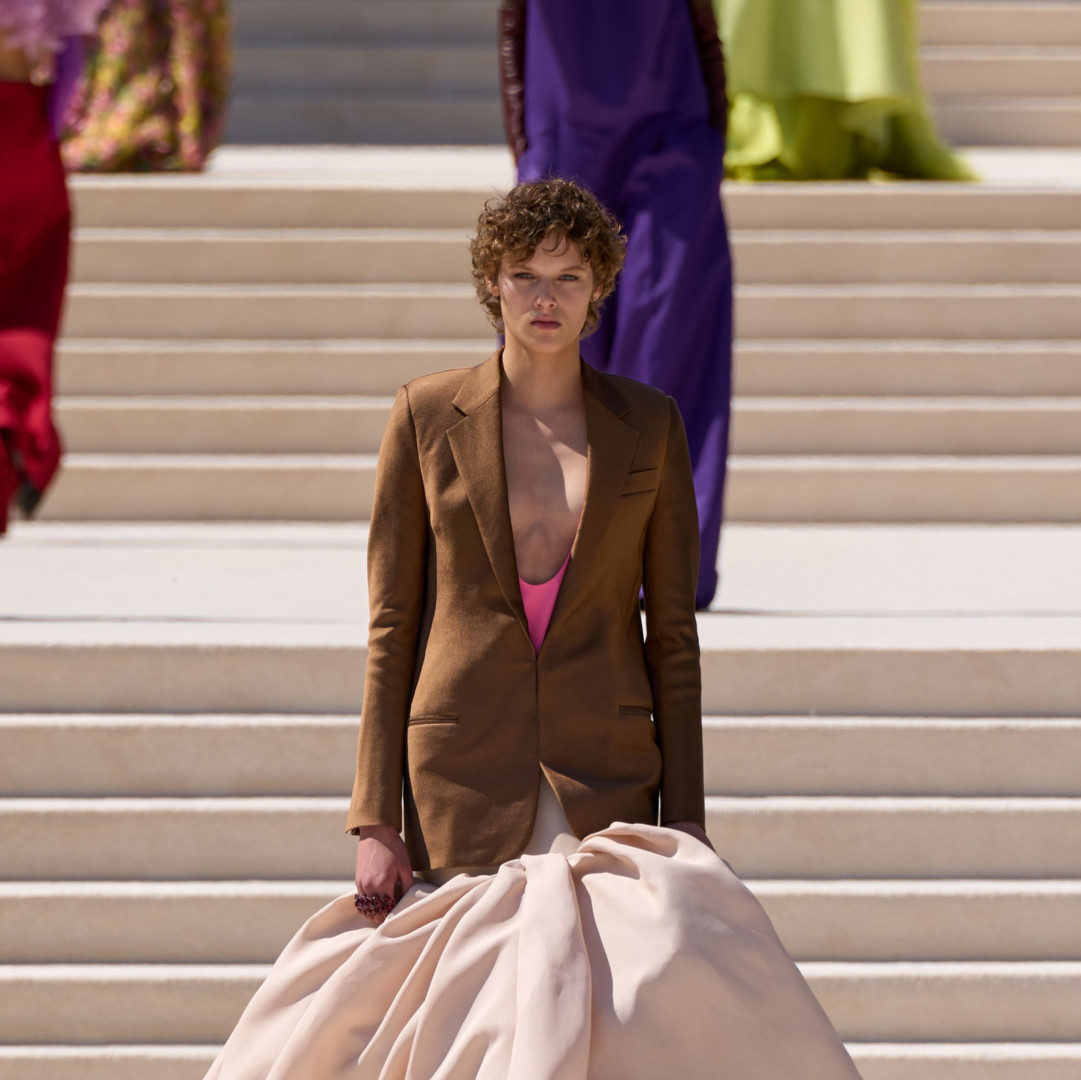
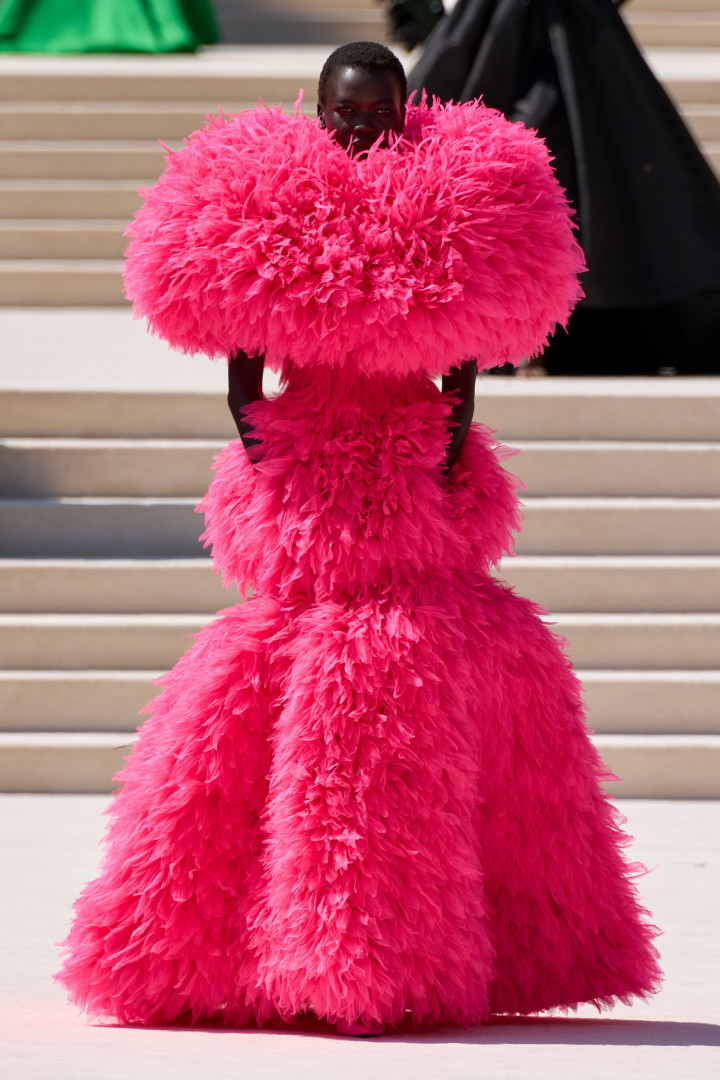
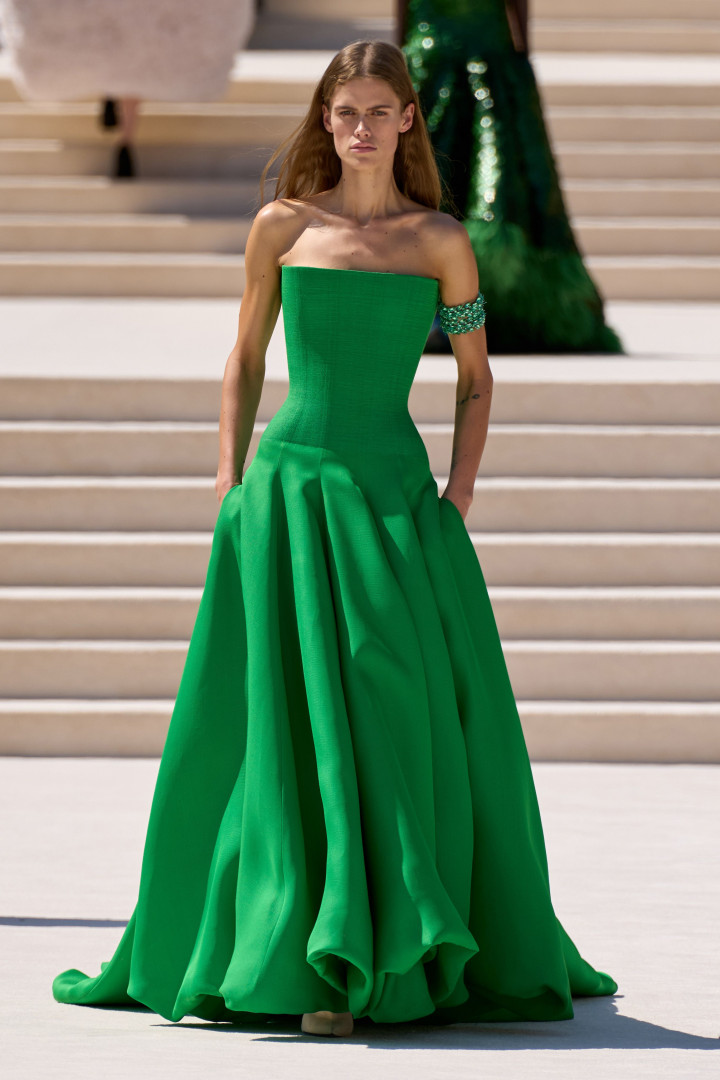
The answer unfolds through volume. Throughout the collection, silhouettes seem less designed than constructed. Rounded shoulders, monumental coats, sculptural gowns and cocoon-like forms recall the architectural precision that once defined Cristóbal Balenciaga's revolutionary approach to couture. Yet beneath this technical mastery lies an unmistakable softness. The garments never imprison the body. They appear to protect it, allowing movement to coexist with monumentality. Architecture, here, is no longer an exercise in rigidity. It becomes an act of care.
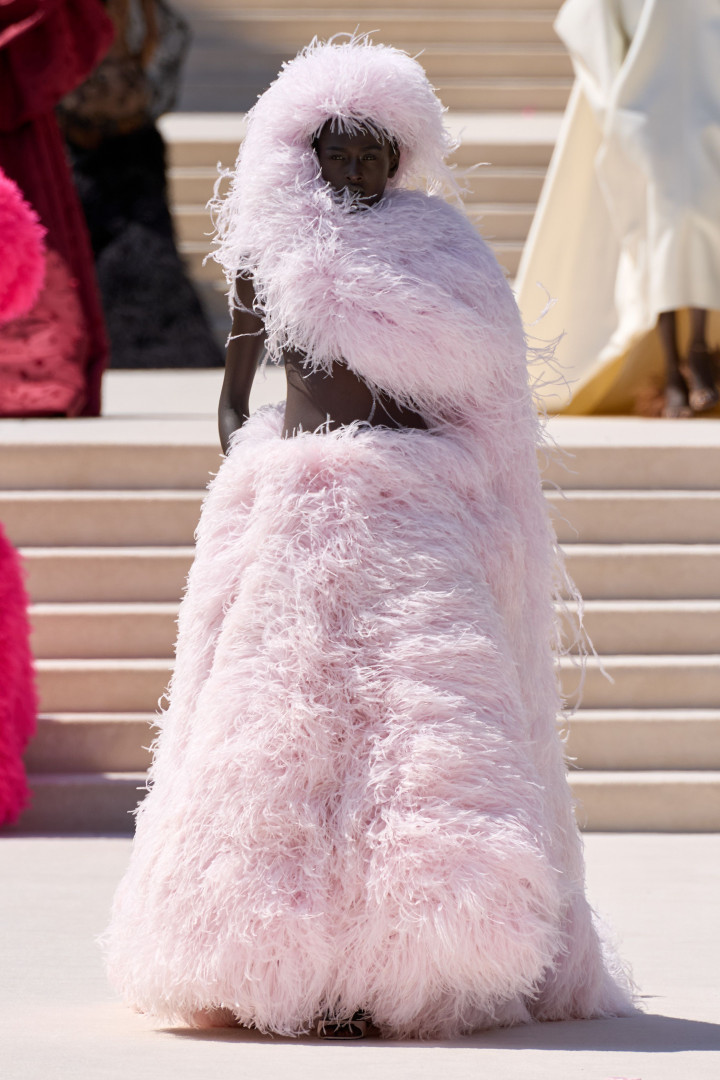
Perhaps this marks the collection's most profound departure. For decades, conversations surrounding Balenciaga have often revolved around disruption, irony and provocation. Those ideas undeniably shaped an important chapter in the Maison's contemporary history, challenging conventional notions of luxury and beauty. Piccioli, however, seems less interested in questioning fashion than in restoring its emotional capacity. His collection does not ask whether couture can shock. It asks whether couture can still move us. The distinction is significant because emotion requires vulnerability, while architecture requires control. Balenciaga Fall/Winter 2026–2027 exists precisely within the fragile space where these seemingly opposing forces meet.
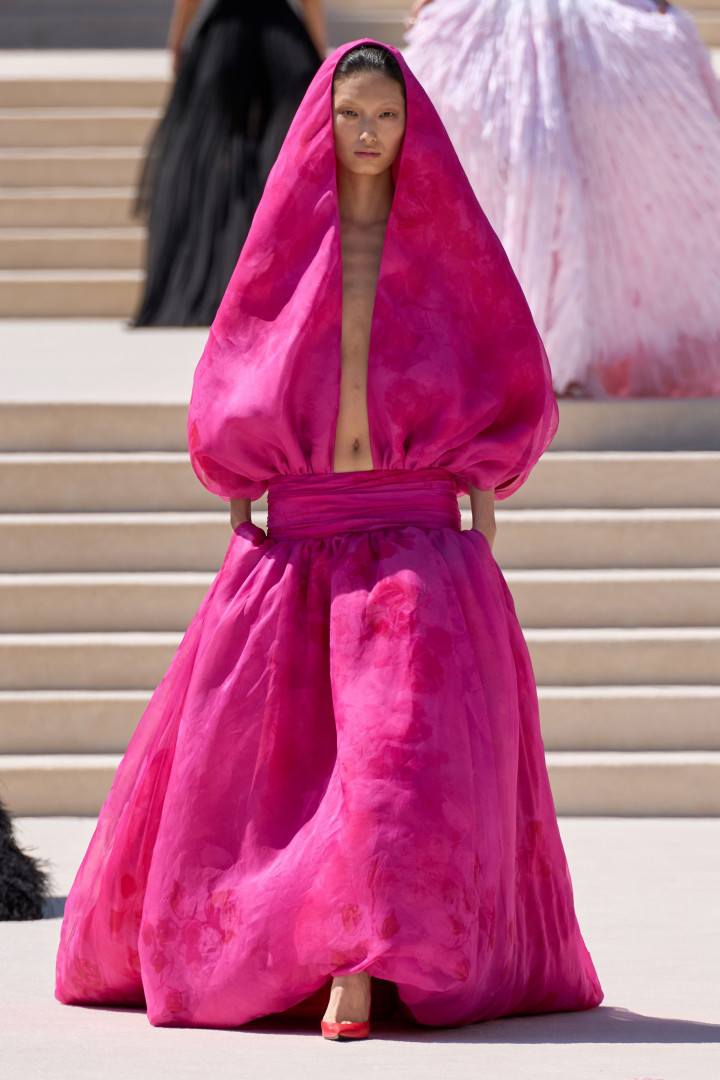
Craftsmanship remains the silent protagonist throughout. Every seam, every proportion and every seemingly impossible volume reminds us that haute couture continues to represent one of humanity's most sophisticated forms of manual intelligence. In an age increasingly defined by automation and acceleration, the collection quietly reaffirms something almost radical: time remains the most luxurious material available to fashion. Hours cannot be industrialised. Precision cannot be automated. Beauty cannot be rushed.
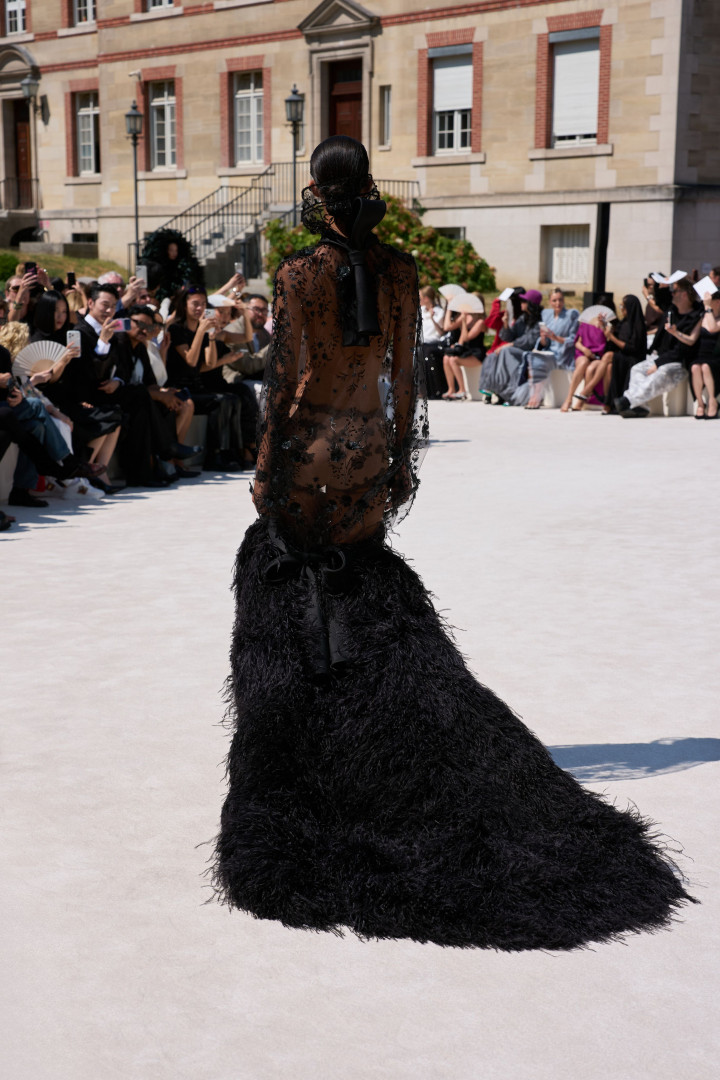
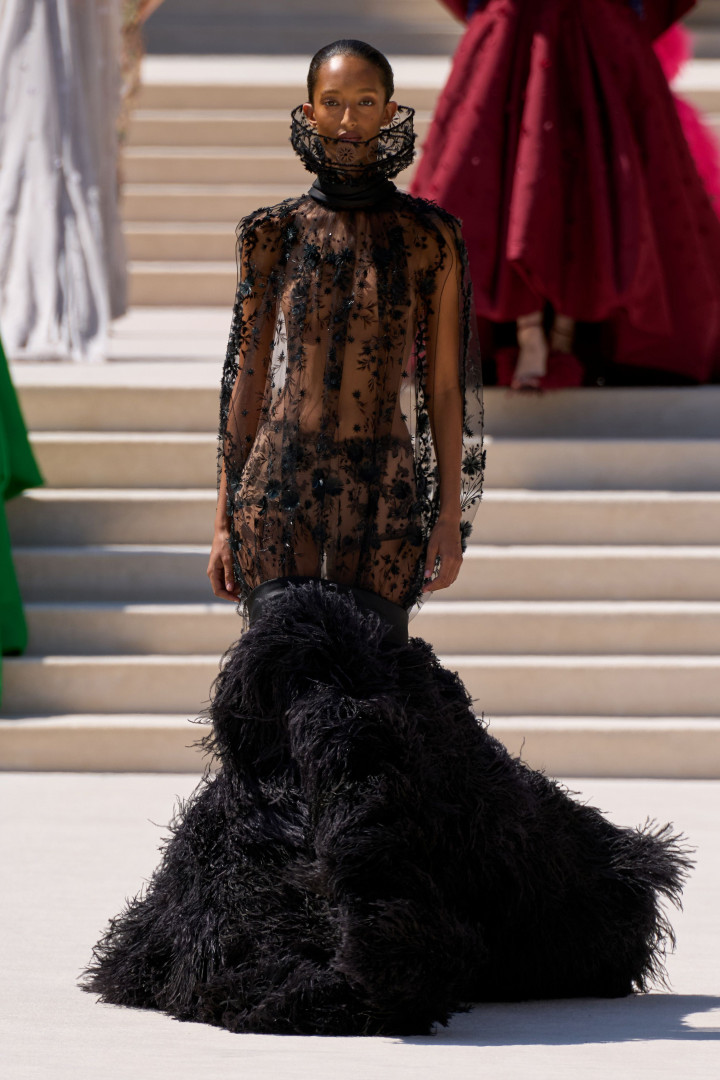
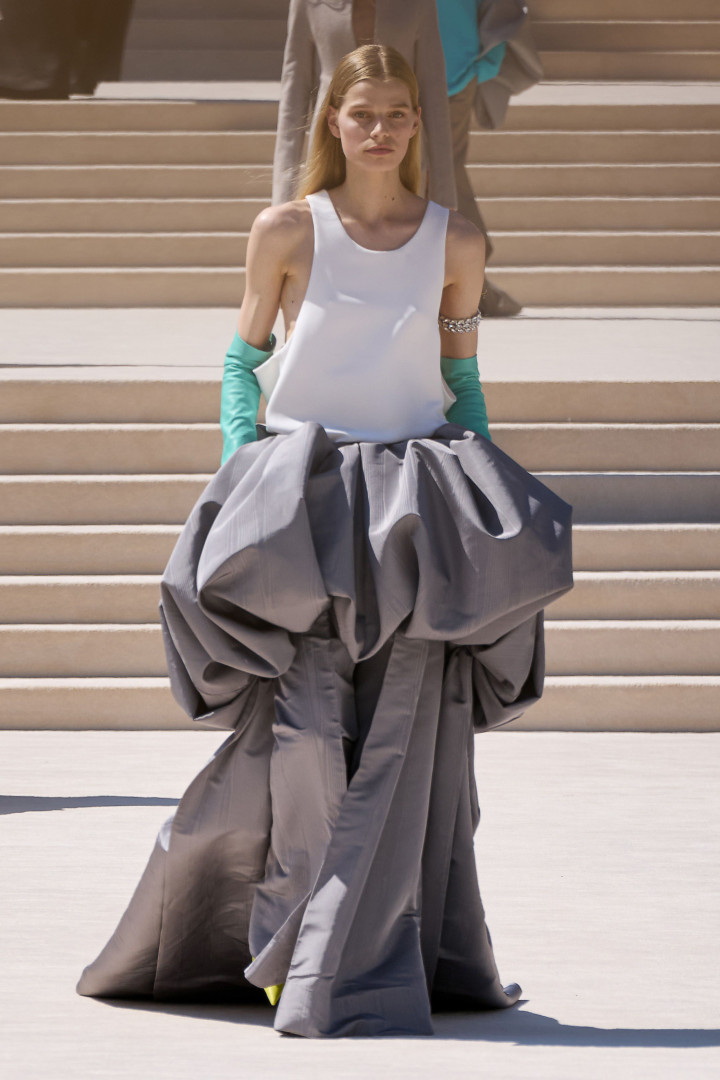
Balenciaga/editorial reproduction
There is also something profoundly human in the collection's restraint. Despite the monumental silhouettes and technical virtuosity, the garments never appear distant from those who wear them. They retain a sense of intimacy that feels increasingly rare within contemporary luxury. Couture here is not presented as an unreachable spectacle but as an extension of human presence, amplifying personality rather than eclipsing it. This philosophy reaches beyond aesthetics. It proposes that elegance is not created through excess, but through precision. That confidence does not require noise. That power may reside not in exaggeration, but in clarity.
There is also something profoundly human in the collection's restraint. Despite the monumental silhouettes and technical virtuosity, the garments never appear distant from those who wear them. They retain a sense of intimacy that feels increasingly rare within contemporary luxury. Couture here is not presented as an unreachable spectacle but as an extension of human presence, amplifying personality rather than eclipsing it. This philosophy reaches beyond aesthetics. It proposes that elegance is not created through excess, but through precision. That confidence does not require noise. That power may reside not in exaggeration, but in clarity.