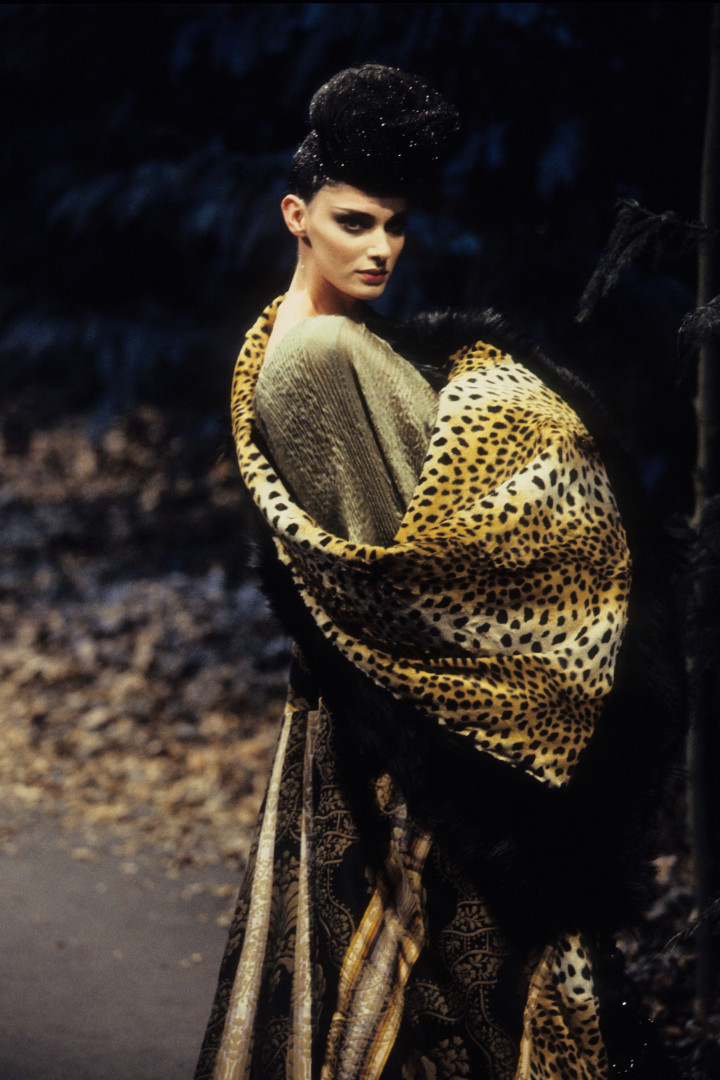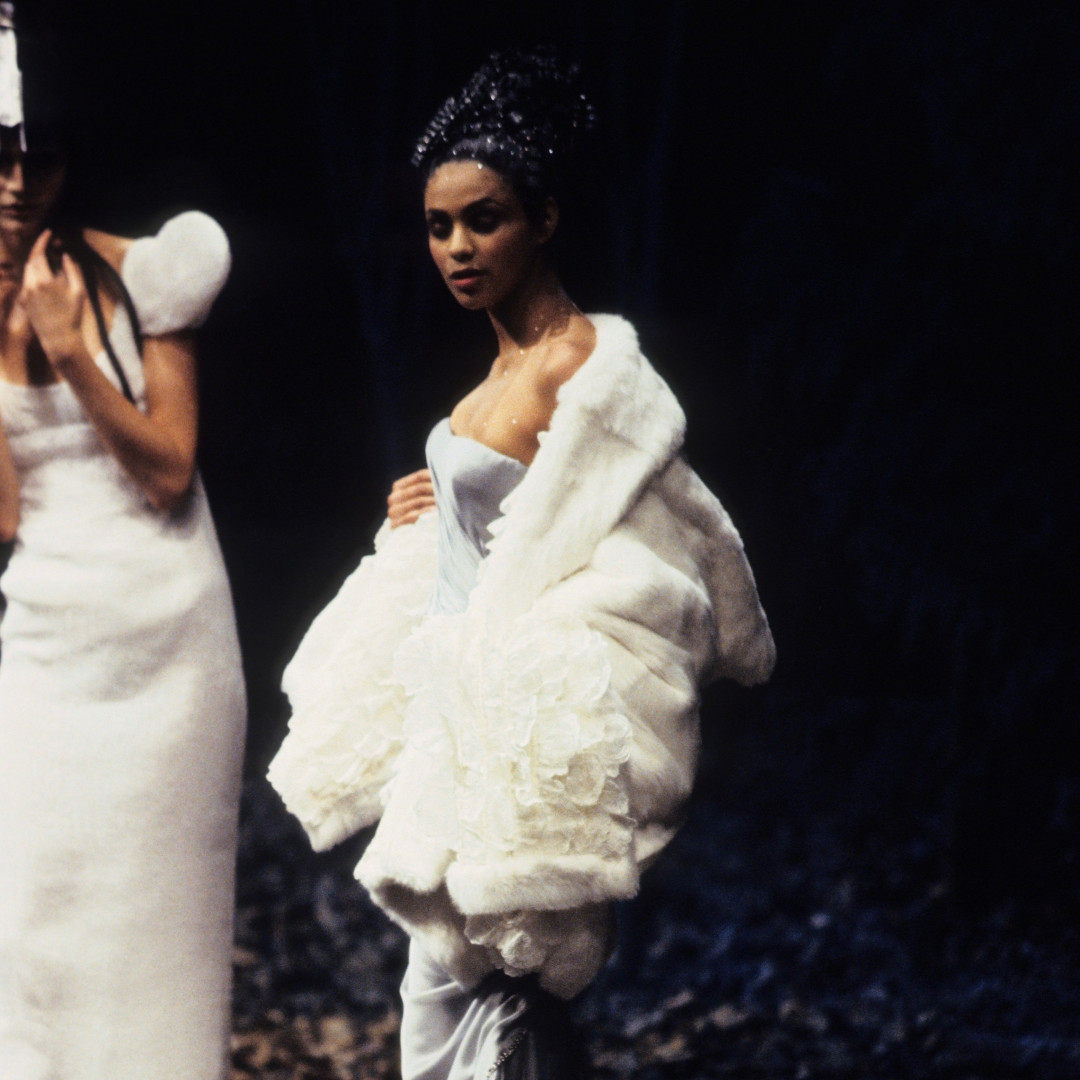
Givenchy Fall 1996
Before spectacle became the dominant language of fashion, there was a period where elegance still moved in silence. John Galliano’s Fall 1996 collection for Givenchy existed precisely within that atmosphere — suspended between Parisian aristocracy, emotional fragility and the restrained sensuality that would later evolve into Galliano’s theatrical universe at Dior.
This was not yet the fully unleashed Galliano mythology the fashion world would come to associate with him in the years that followed. Instead, the collection revealed something perhaps even more compelling: control. Beneath the refinement already lingered the emotional intensity, romanticism and cinematic instinct that would eventually redefine contemporary couture.
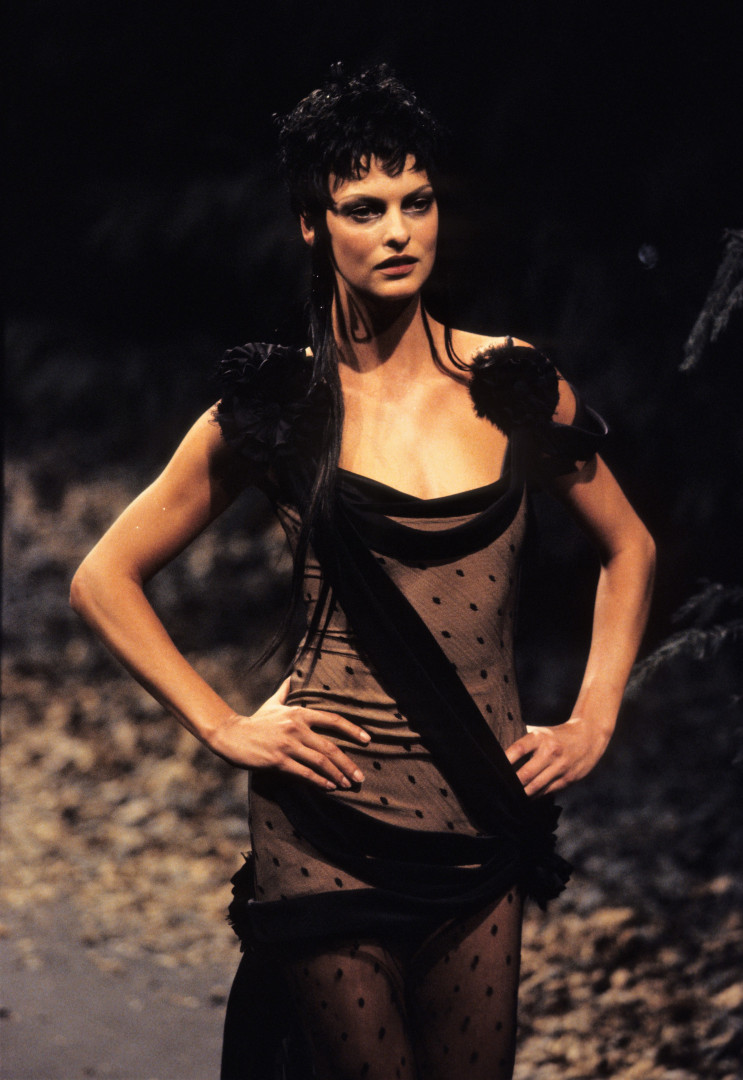
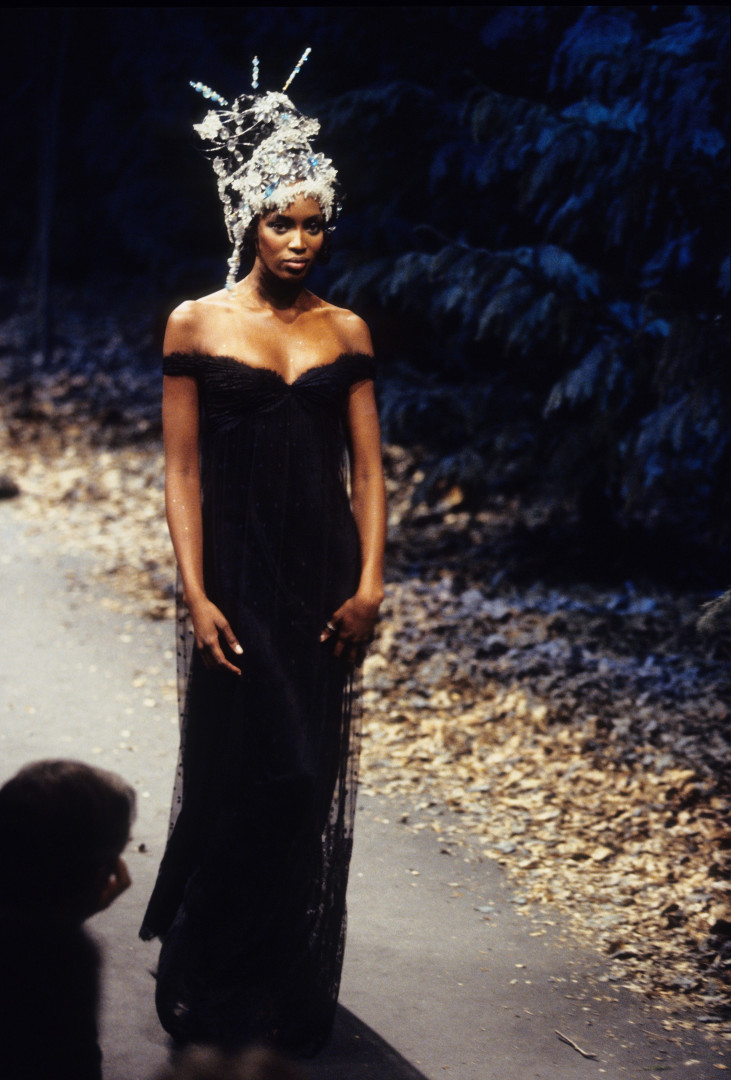
All images reproduced for editorial and press purposes
The silhouettes carried extraordinary precision. Tailoring framed the body with elongated elegance, sculpting rather than overpowering the feminine form. Jackets appeared sharp yet fluid, while slip dresses and delicate evening silhouettes introduced intimacy through movement and texture rather than overt theatricality. The body remained central throughout the collection, but never exposed aggressively. Sensuality emerged quietly, almost psychologically.
What made the collection particularly fascinating was the tension between discipline and emotion. Galliano approached the Givenchy woman as both aristocratic and vulnerable, suspended between authority and fragility. Some silhouettes carried the severity of Parisian couture tradition, while others dissolved into softness through fluid fabrics and restrained transparency. The garments seemed permanently balanced between structure and collapse.
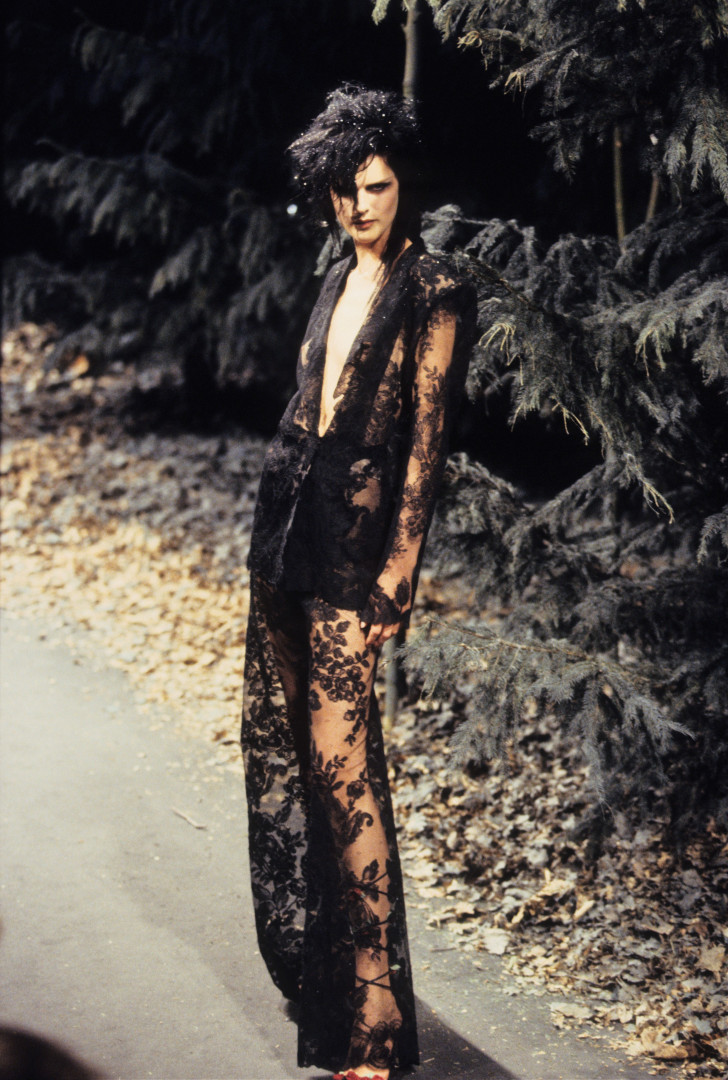
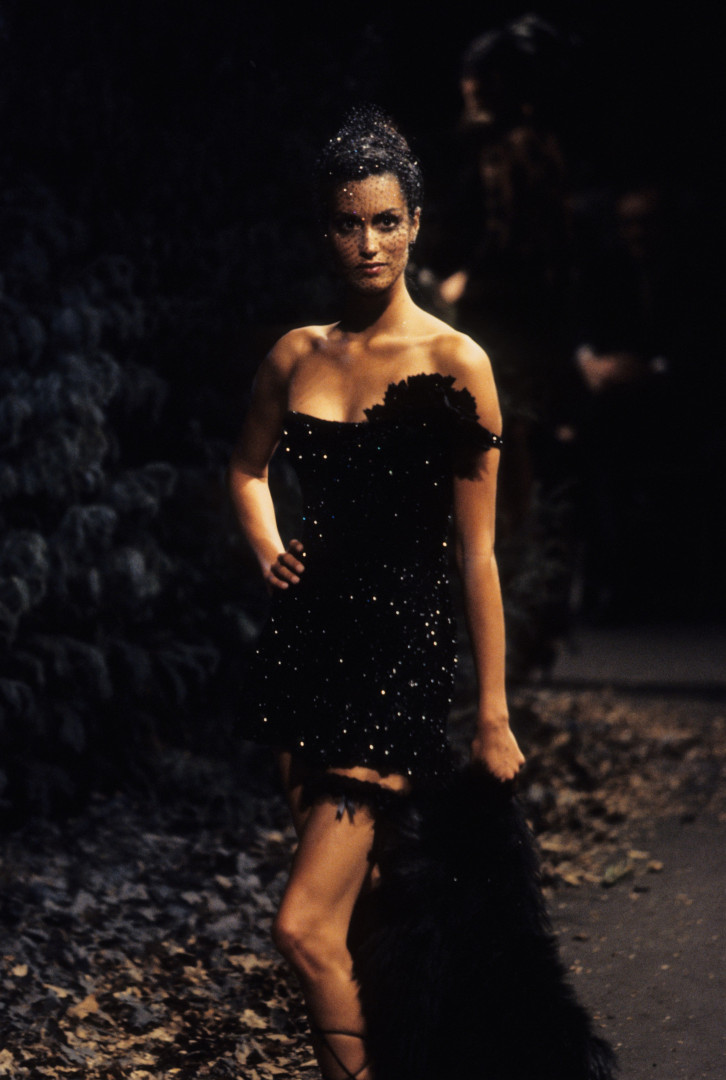
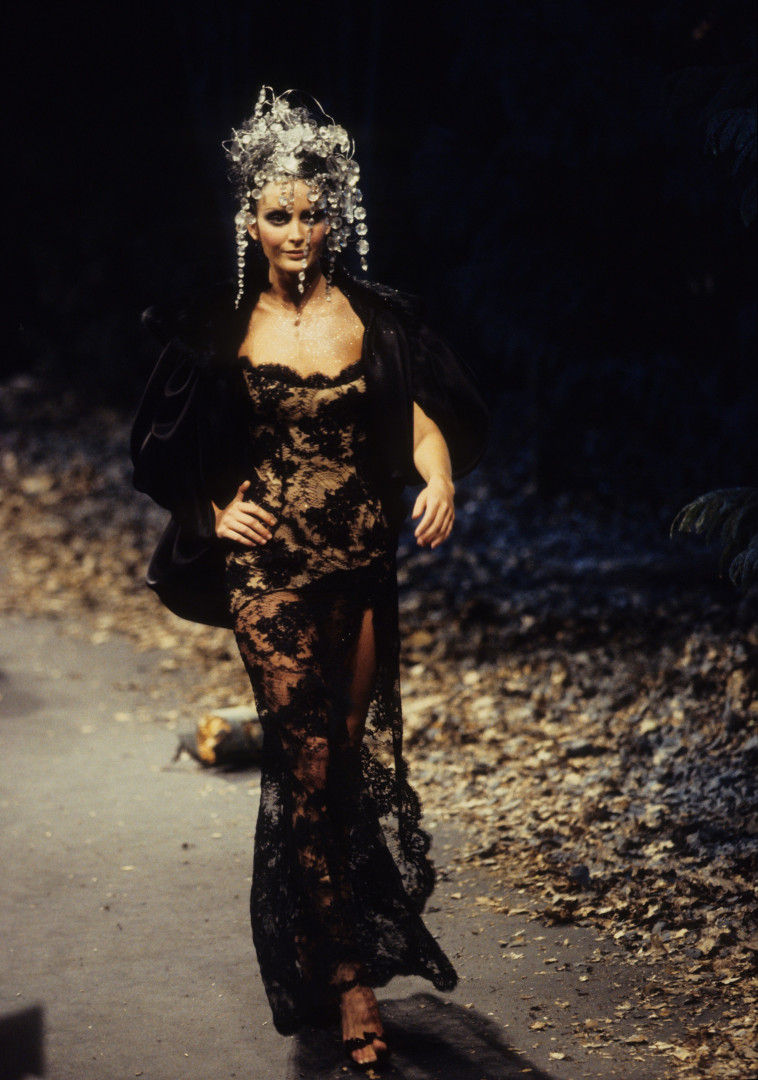
All images reproduced for editorial and press purposes
There was already something deeply cinematic in Galliano’s vision at this stage. The women on the runway did not feel static. They resembled characters emerging from forgotten European films, carrying histories, secrets and emotional complexity beneath immaculate tailoring. Even in its restraint, the collection possessed narrative depth.
The palette reinforced this atmosphere of controlled seduction. Black dominated much of the collection with remarkable elegance, interrupted occasionally by pale neutrals and luminous tones that appeared almost ghostly beneath the runway lighting. Colour was never used for spectacle alone. It functioned emotionally, amplifying the mood of the silhouettes themselves.
Looking back today, Spring/Summer 1996 feels almost melancholic in its sophistication. It belongs to an era before fashion accelerated entirely into image culture and constant visual excess. There is patience in the collection, patience in the cuts, in the movement, in the refusal to overwhelm the eye immediately.
What makes John Galliano’s brief period at Givenchy so historically fascinating is precisely this transitional quality. One can already sense the future grandeur of Galliano’s imagination forming beneath the surface, yet still filtered through the discipline and refinement of the house.